
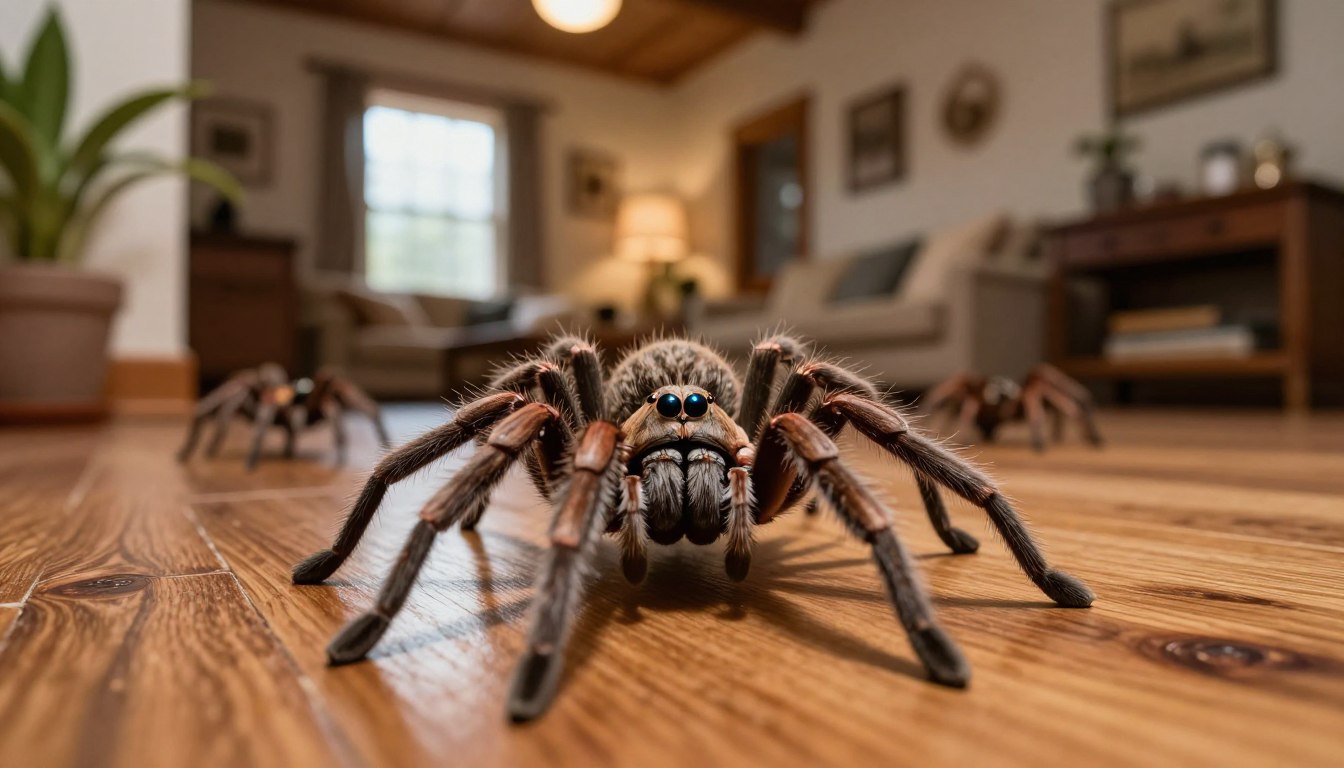
Wolf spider pest control starts with sealing entry routes, reducing insect prey, and removing outdoor shelter. Are wolf spiders dangerous? Usually not. A correctly identified wolf spider generally avoids people and bites mainly when trapped, pressed against skin, or handled. Most bites cause temporary pain, redness, itching, or swelling; seek medical care for severe or worsening symptoms.
This guide provides practical control tips for reducing wolf spiders and other spiders. Learn about door sweeps, screens, moisture, and gaps, then review related articles in this spider pest control guide before contacting a professional. The goal is to address the cause of activity—not only the visible spider—and protect your home.
Key Takeaways
- Wolf spiders usually avoid people and are generally a nuisance rather than an emergency.
- Install door sweeps, repair screens, and seal gaps to reduce indoor activity.
- Remove prey, clutter, moisture, and outdoor hiding areas.
- Professional pest control can address spiders and the insects that support them.
- Call CX Pest Solutions for an inspection when sightings continue or appear throughout the home.
Identifying Wolf Spiders vs. Dangerous Lookalikes
Wolf spiders are fast-moving ground hunters that usually avoid people. A correctly identified wolf spider has a hairy, brown or gray patterned body, robust legs, and typically moves across floors or outdoor surfaces instead of building a prey-catching web. These features can suggest a wolf spider, but photographs and appearance alone cannot confirm every spider species. Do not handle an unfamiliar spider; photograph it from a safe distance or ask a qualified professional for identification.
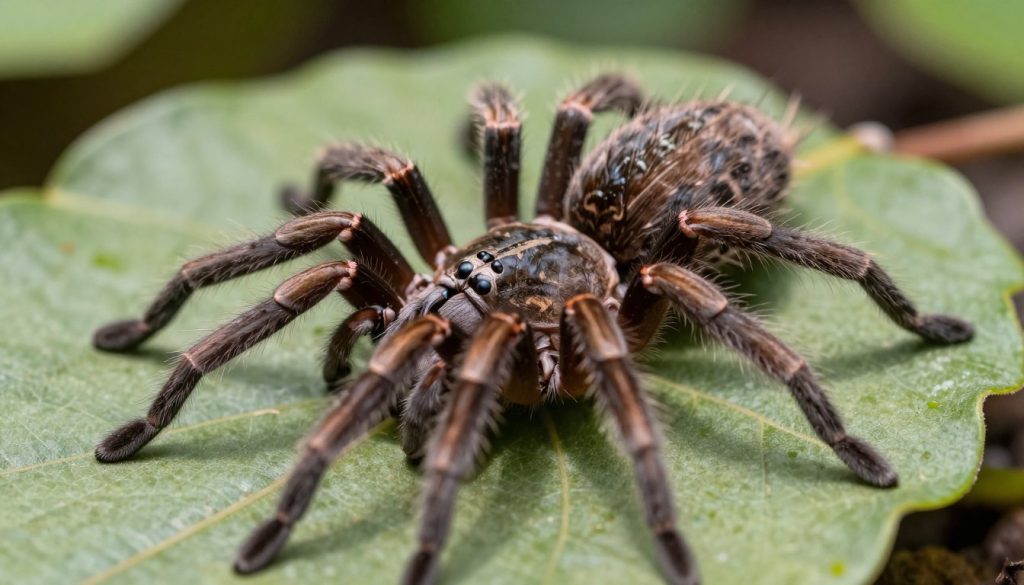
Wolf Spider vs. Brown Recluse vs. Huntsman Spider
A wolf commonly has eight legs and eight prominent eyes arranged in three rows, although homeowners may not see the eyes clearly. Southwest Florida specimens may measure about 1 to 2+ inches across the leg span, but exact size varies. A brown recluse is generally smaller and has a different body shape and marking pattern. A huntsman spider may also be large and hairy, but its flatter body and sideways-pointing legs create a crab-like appearance. A wolf is often heavier and more visibly patterned. Use these traits only as general guidance, and consider a professional identification or this common Florida spiders guide alongside the existing identification guide.
These nighttime hunters hunt prey on the ground rather than relying on webs. Their food may include crickets, ants, flies, grasshoppers, earwigs, and other insects or bugs. A wolf may enter a home through doors, windows, or foundation cracks while following prey or seeking hiding places. Silk retreats or egg sacs do not make these spiders web-building spiders. Removing clutter and insects can reduce activity.
When Bites Require Medical Attention
A suspected bite may cause temporary pain, itching, stinging, redness, or swelling, often after accidental contact in clothing, bedding, shoes, or storage boxes. Wash the area with soap and water, apply a cloth-wrapped cold pack, and monitor it. Seek prompt medical care for breathing trouble, severe pain, rapidly worsening swelling, spreading redness, fever, drainage, or other infection signs. Do not diagnose a brown recluse bite from symptoms alone. If safe, photograph the spider without touching it, retain the existing identification guide link, and contact a healthcare professional. Reliable medical articles provide general information but cannot replace individual evaluation.
Wolf Spider Pest Control Answers for Southwest Florida Homeowners
In Cape Coral and Fort Myers, a few wolf spiders usually create a nuisance, not a medical emergency. Wolf spider activity may increase after heat, heavy rain, or moisture changes. They can follow prey through accessible entry points, but one sighting does not prove a serious pest infestation.
Why are wolf spiders entering your home?
Wolf spiders enter when food, moisture, shelter, and access overlap. They may follow insects and other pests beneath doors, through damaged screens, foundation cracks, and other openings. Mulch, vegetation, leaf litter, and damp areas offer shelter, while indoor insects provide food. Because these spiders hunt on foot rather than using webs, check garages, closets, storage rooms, windows, and ground-level rooms when spiders get inside. Sealing gaps and reducing moisture can prevent wolf activity.
How can homeowners get rid of wolf spiders?
To get rid of a visible spider, vacuum it or use a container and card, then empty the vacuum outdoors. This provides immediate removal but does not solve the source. Remove clutter, reduce insects, install door sweeps, repair screens, and seal gaps. DIY sprays may offer inconsistent control without an inspection. Never handle a female carrying an egg sac; keep children and pets away. These steps can help get rid wolf activity, but recurring sightings may require professional help. People searching for how to get rid wolf spiders should address entry and food sources rather than rely on one spray.
How can residents prevent outdoor activity?
To prevent wolf spiders, trim vegetation, remove debris and wood piles, correct drainage, and reduce moisture near the foundation. Limit exterior lights when practical because flying bugs become food. These steps reduce what spiders eat and may help prevent wolf activity around the yard and house. They cannot guarantee that no wolf will appear after storms.
When should homeowners call CX Pest Solutions?
Call when sightings recur, increase, or appear in several areas. A technician can investigate the larger problem, identify conditions that allow spiders to enter, and recommend targeted wolf spider pest control.
What does professional service include?
Integrated pest management addresses both the hunter and its insect source. Depending on inspection findings, service may include identifying entry routes, reducing harborage, monitoring, exclusion repairs, and targeted control. This approach can help get rid wolf spiders, rid wolf spiders, or rid wolf activity by addressing the conditions that support them. Ask which treatments, follow-up visits, safety instructions, and monitoring options fit your property and time needs.
| ConcernFirst stepProfessional threshold | ||
| Indoor sightings | Vacuum visible spiders and seal gaps | Repeated sightings, multiple rooms, or associated insects |
| Yard habitat | Remove debris, piles, vegetation, and moisture | Persistent reentry after prevention steps |
| Commercial areas | Inspect storage spaces, doors, screens, and foundation routes | Frequent reports or an ongoing pest problem |
The CX Pest Solutions Approach to Spider Control
CX Pest Solutions states that its wolf spider pest control process serves Cape Coral, Fort Myers, and Lee/Collier County. It begins with identification and an inspection of indoor and outdoor areas. Technicians check moisture, food sources, habitats, other pests, and entry points before recommending a targeted pest control plan. Read the company’s pest inspection articles and ask which services fit your property.
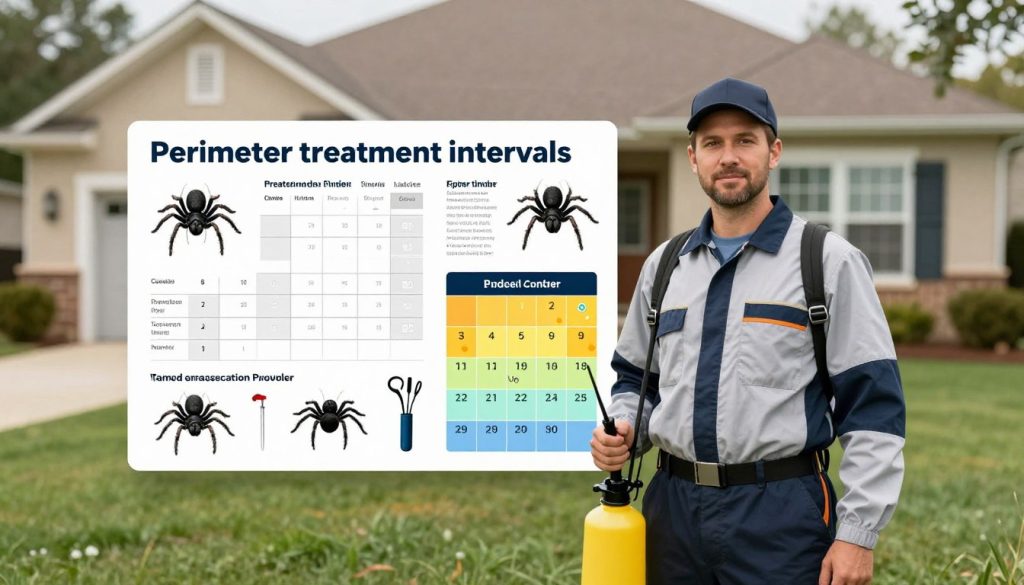
Service Matrix for Homes, Businesses, and Outdoor Areas
| Service areaBest fitSuggested interval | ||
| Residential home | Garages, basements, doors, and windows | Based on inspection |
| Commercial property | Documented inspections and safety-focused service | Customized schedule |
| Indoor treatment | Cracks, clutter, entry routes, and ground-level hiding spots | As technician recommends |
| Outdoor yard | Foundation, vegetation, insects, and exterior harborage | Condition-based service |
Depending on findings, service may include an exterior perimeter treatment, monitoring, or crack-and-crevice treatment. Monitoring shows where spiders travel; applications target specific locations. Technicians may recommend sealing gaps around doors and windows and closing foundation cracks to keep wolf spiders, other spiders, and an insect source outside.
Before service, tell the technician about children, pets, access restrictions, and recent applications. Follow product-label instructions about treated spaces and reentry. CX Pest Solutions states that it offers pet-friendly applications and more than 25 years of experience; confirm those claims, availability, and scheduling time. Contact the company to discuss inspection and control options, or review its safe pest control blog.
Homeowner Checklist: Tips to Prevent Wolf Spiders
These Southwest Florida tips can help prevent wolf spiders by reducing shelter, moisture, and the prey they follow into your home. To get rid of attracting conditions, focus on maintenance rather than unsupported repellents. These steps reduce indoor sightings but cannot guarantee that no wolf spider will enter after heavy rain or landscaping changes.
- Declutter: Remove cardboard, debris, and wood piles from garages and storage areas to reduce hiding places. Keep items off the floor and use a vacuum safely instead of handling a visible spider.
- Seal entry routes: Add sweeps beneath doors, repair lanai screens, and close gaps around windows and other openings. These measures help keep wolf spiders outside.
- Reduce moisture: Fix leaks, clear gutters, improve drainage, and dry shaded areas around the house. This limits damp shelter and insect activity.
- Manage the yard: Trim vegetation, remove leaf debris and wood piles, and keep dense mulch away from walls. A maintained yard gives wolf spiders fewer hiding places.
- Limit food sources: Direct outdoor lights downward to reduce flying bugs. Address roaches, ants, and other pests that spiders eat so less food attracts hunting spiders.
Homeowners searching for “get rid wolf” activity should address the source. To rid wolf spiders from recurring areas or rid wolf entry, schedule professional control. A technician can inspect the property, recommend a targeted perimeter plan, and explain treatment options. Botanical products may offer limited support, so they should not replace a pest inspection. If prevention fails, contact CX Pest Solutions for professional control.
Conclusion: Get Lasting Wolf Spider Control in Southwest Florida
Wolf spiders rarely harm people. To get rid of them, reduce prey, hiding places, moisture, and access around the home. These simple tips can reduce activity, but they cannot guarantee that no wolf spider will enter.
Seal doors, screens, foundation cracks, and other openings; remove debris and wood piles. If spiders get inside repeatedly, professional pest control can address the source. To get rid wolf activity, call CX Pest Solutions at 239-834-9837 or visit https://cxpestsolutions.com/ to ask about a free inspection in Cape Coral, Fort Myers, and Lee County.