
Have you ever wondered why sticky webs reappear overnight even after a deep clean? Achieving effective spider control requires more than just a broom; it involves understanding how these creatures enter your space. While most spiders are actually beneficial because they hunt other pests, their messy webs can quickly ruin the look of your home.
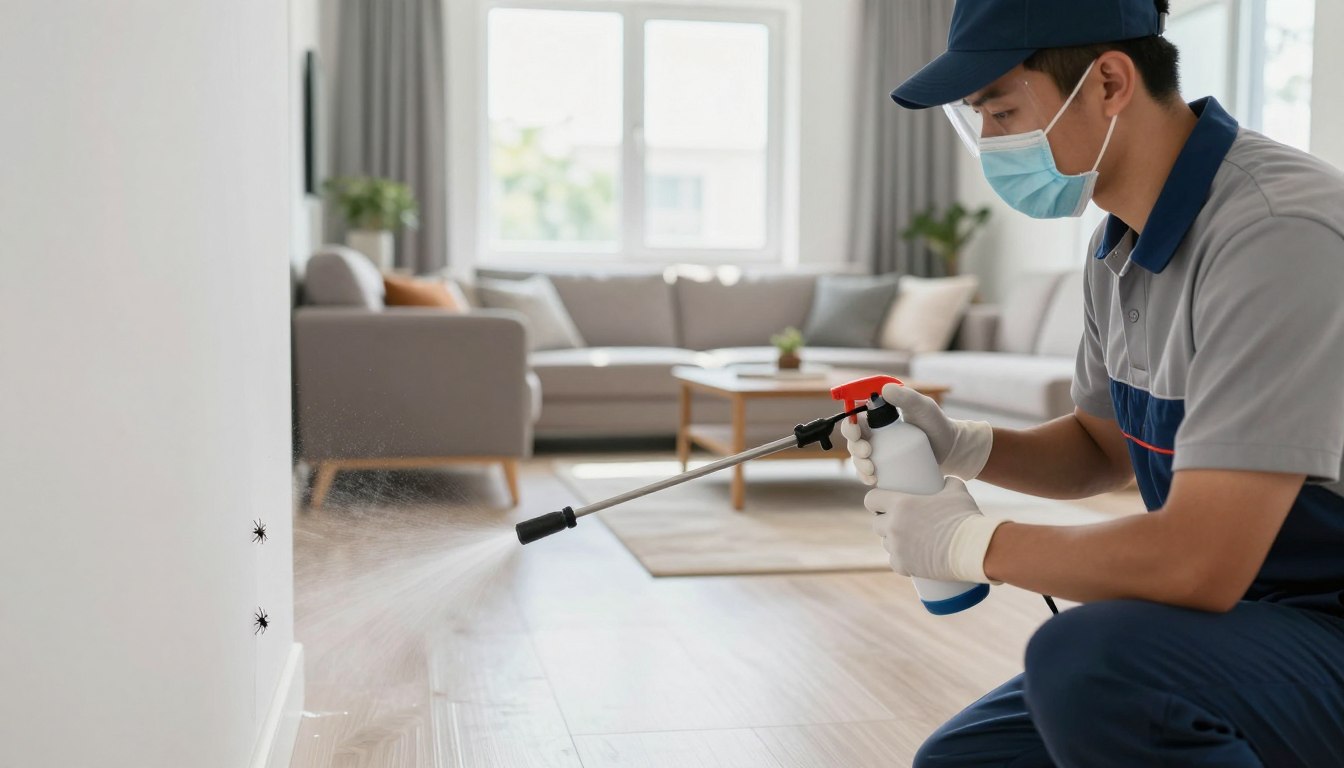
Modern pest control uses a dual strategy to keep homes clear. Expert technicians apply spray barriers to create a protective zone that stops a spider before it settles inside. These methods combine chemical protection with habitat changes for lasting results.
By targeting both interior corners and exterior perimeters, you disrupt the life cycle of these spiders effectively. This specific strategy ensures that wandering spiders do not find a permanent place to stay. Knowing how a spider behaves helps you stop an infestation before it starts. Total control over your environment begins with these perimeter defenses.
Most Kentucky spiders are harmless, yet the black widow remains a concern for many families. Proper barrier treatments provide the peace of mind every home owner deserves. This approach creates a reliable shield against unwanted guests throughout the year.
Key Takeaways
- Combine interior and exterior methods for the best home protection.
- Spray barriers create an invisible shield that stops web-building activity.
- Most spiders help by eating other annoying household pests.
- Identify dangerous species like the brown recluse for family safety.
- Physical removal and habitat changes support chemical barrier treatments.
- Regular perimeter sprays prevent new pests from entering the structure.
Understanding Spider Behavior and Why Web Building Occurs
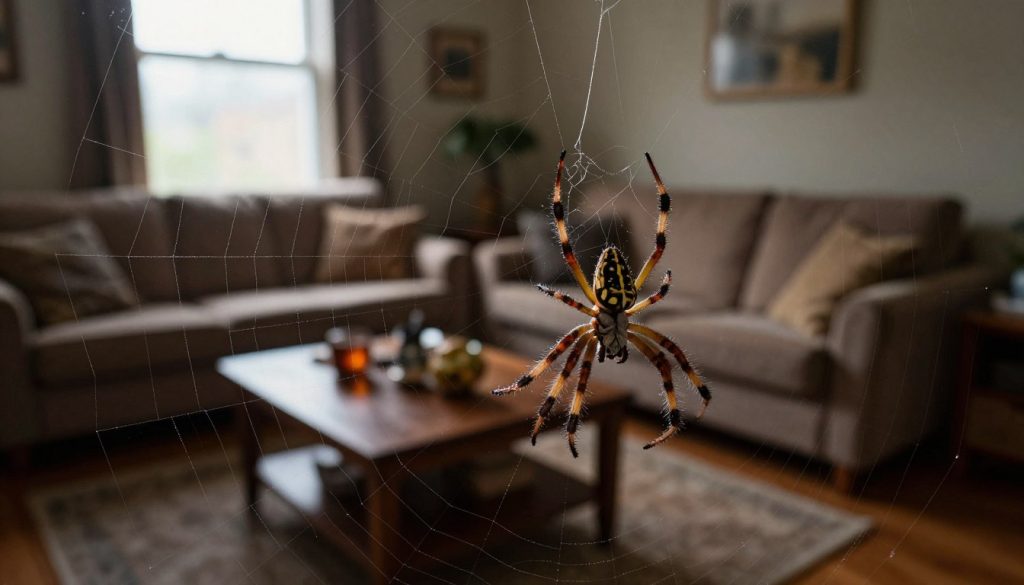
Effective pest management begins with a deep dive into the natural habits and environmental preferences of common household spiders. These arachnids are not random invaders; they follow specific biological cues to find the best survival spots in your home. By learning their patterns, you can address the root causes of an infestation rather than just treating the symptoms.
How Spiders Choose Where to Build Webs
A spider carefully assesses a potential site before starting the energy-draining process of web construction. They look for structural stability and specific corner angles that provide strong anchor points for their webs. Protection from human disturbance and physical barriers also plays a major role in their selection process.
Air currents are another critical factor for these creatures. Moving air often carries the scent or physical presence of flying prey, signaling a high-traffic area for food. Quiet and undisturbed spaces like closets or garages provide the long-term security they need to hunt without interruption.
Web-Building vs. Free-Roaming Spider Species
Different species use unique methods to survive inside your house. For example, a cellar spider will stay in one place once it finds a suitable environment with enough food. These creatures rely on their silk to trap flying insects that wander into dark corners.
In contrast, free-roaming hunters like the wolf spider do not use silk traps to catch a meal. They actively track and chase down their prey across floors and walls. Understanding which type is present helps you choose the best way to apply control measures and eliminate webs effectively.
| Category | Preferred Habitat | Primary Diet | Movement Pattern |
|---|---|---|---|
| Web-Builders | Ceiling Corners | Flying Pests | Stationary |
| Free-Roamers | Floor Boards | Crawling Pests | Active Hunters |
| Moisture Seekers | Basements | Gnats and Flies | Site-Specific |
Why Your Home Attracts Spiders
Your home provides a perfect sanctuary because it offers consistent food and shelter. Many insects are attracted to outdoor lighting near entry points, and they eventually find a path inside. This constant migration of prey is why spiders congregate around windows and doorways.
- Undisturbed spaces like attics, basements, and crawl spaces.
- Abundant populations of other household pests.
- Stable structural features that serve as ideal anchor points.
- Controlled temperatures that allow for year-round activity.
Environmental conditions like humidity and darkness also matter significantly. Certain spiders prefer the moisture found in laundry rooms or bathrooms. By reducing clutter and managing indoor light, you make your house much less inviting to these spiders. These species will often move elsewhere if they cannot find a reliable food source or a quiet place to hide.
Identifying Spider Threats: Dangerous vs. Harmless Species
Homeowners often struggle to distinguish between beneficial house guests and venomous threats that require immediate attention. Identifying the specific species in your living space is the first step toward effective pest management. Understanding these differences provides peace of mind and keeps your family safe.
Harmless Spiders: Cellar Spiders and Wolf Spiders
Cellar spiders have long, thin legs and shake their webs when they feel disturbed. Wolf spiders are large and hairy, often causing fear due to their rapid movements and size. However, these common house spiders pose no real threat to humans and lack potent venom.
Black Widow Spiders: Recognition and Risk Factors
The adult female black widow is about 1/2-inch long and has a shiny black body. You can spot a widow by the iconic red hourglass pattern on her abdomen. These black widows typically dwell outdoors under rocks, boards, or yard debris.
A widow spider bite releases a nerve toxin that causes painful abdominal rigidity and chest tightness. This spider bite can also lead to rising blood pressure and nausea. If you suspect contact with widows, seek medical attention immediately.
These widow spiders are timid and only bite when they feel directly threatened or trapped. A black widow can hide in dark corners of your garage or shed. Always check your gloves before working outside to avoid a black widow bite.
A widow stays near the ground and builds messy, irregular webs. Finding the widow is easier at night when she is active. The widow remains one of the most recognizable venomous pests in the country. A widow bite is serious, so keep your distance from a black widow.
Brown Recluse Spiders: The Violin-Shaped Warning Sign
The brown recluse ranges from dark cream to dark brown in color. It features a violin-shaped marking on its upper body and has three pairs of eyes. Unlike another species, these recluse spiders prefer dark, dry areas like closets or boxes.
A recluse bite may become red, swollen, and tender several hours after the initial contact. This spider bite needs medical attention because it can develop into a month-long ulcerous sore. If you have contact with recluse spiders, try to collect the specimen for your doctor.
A recluse is naturally shy and avoids human interaction whenever possible. If you find a recluse, do not try to handle it yourself. The recluse remains a common concern for homeowners in the southern and central United States. Recluse spiders are often misidentified, so look closely at the eyes.
When Professional Spider Control Services Are Necessary
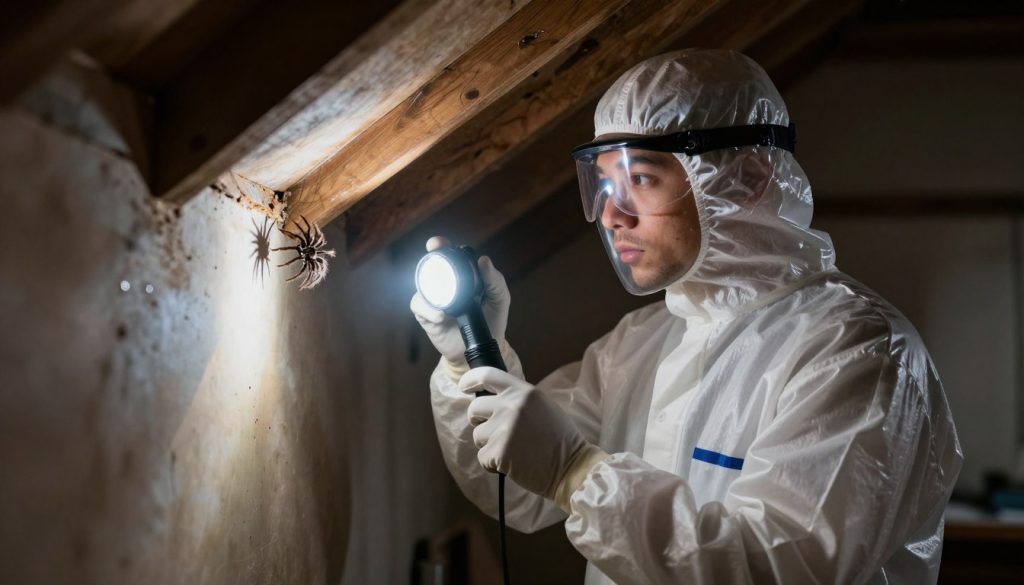
Identifying widows or recluse infestations in your home often demands expert help. You should search for spider exterminator services near me if you find multiple widow spiders or egg sacs. Professional attention ensures that these dangerous spiders are removed safely from your home.
Get expert support to keep your family safe from black widow and brown recluse threats. A single black widow may indicate a larger nest nearby. A widow can lay hundreds of eggs in one season. Managing toxic widow spiders is a job for trained specialists with the right equipment.
Persistent spiders require a long-term barrier to keep them away from your foundation. If a spider persists despite your efforts, a professional can find the source. Protect your home from the widow and other pests today.
Interior Spider Control Methods: Step-by-Step Application
Successfully managing indoor spider populations depends on a strategic, multi-step application of proven control methods. You can regain peace of mind in your home by following a professional protocol. This approach ensures you address current pests while preventing future outbreaks.
A reliable spider control strategy involves both physical removal and chemical barriers. By understanding where these arachnids hide, you can target your efforts more effectively. Consistency is the most important factor in keeping your living space clear of webs.
Step 1: Conduct a Thorough Indoor Inspection
A successful plan starts with a bright flashlight and a keen eye. Look for silk strands in dark, undisturbed spots where these pests love to hide. Check every corner of your house to find where they are most active during the night.
Using Glue Traps to Detect Hidden Infestations
Sticky traps are excellent tools for monitoring activity levels throughout the home. Place these traps flush against walls and in corners where wandering spiders typically travel. They reveal hotspots and help you see which species are moving through your rooms.
Identifying Hotspots in Basements, Attics, and Closets
Focus your primary efforts on areas like basements and attics. These quiet spaces often harbor the largest infestations because they provide plenty of undisturbed hiding spots. Reducing clutter in these storage rooms is vital to making them less attractive to pests.
Step 2: Remove Existing Webs, Spiders, and Egg Sacs
Physical removal is the most immediate way to reduce a local spider population. By taking away their silk homes, you force them to move or face direct elimination. This step also makes your home look much cleaner and more maintained instantly.
Vacuum and Broom Techniques
A heavy-duty vacuum is your best friend during this cleanup process. Use the narrow attachments to reach high corners and deep cracks where a broom might miss. Ensure you suck up the spider and its web to ensure they are gone for good.
Destroying Egg Sacs to Prevent Hundreds of Spiderlings
One of the biggest mistakes homeowners make is leaving egg sacs behind. A single egg can produce hundreds of tiny spiders if it is allowed to hatch. Removing these sacs ensures that the next generation does not take over your home next season.
Step 3: Apply Interior Spray Barriers
Chemical barriers provide long-term protection against various crawling pests. Using a high-quality spider control insecticide spray indoor creates a residual perimeter they cannot easily cross. This method keeps your main living spaces safe and much more comfortable.
Treating Baseboards, Corners, and Crevices
Apply your liquid treatment along baseboards and into deep cracks in the floor. Focus specifically on the areas where walls meet the flooring. These crevices are common pathways for wandering spiders searching for insects to eat.
Targeting Under Furniture and Behind Appliances
Do not forget the dark areas under beds or behind the refrigerator. These spots provide the quiet environment that most spiders prefer for building their webs. Spraying here ensures that your spider control efforts are truly comprehensive and effective.
Step 4: Use Dust Insecticides for Inaccessible Areas
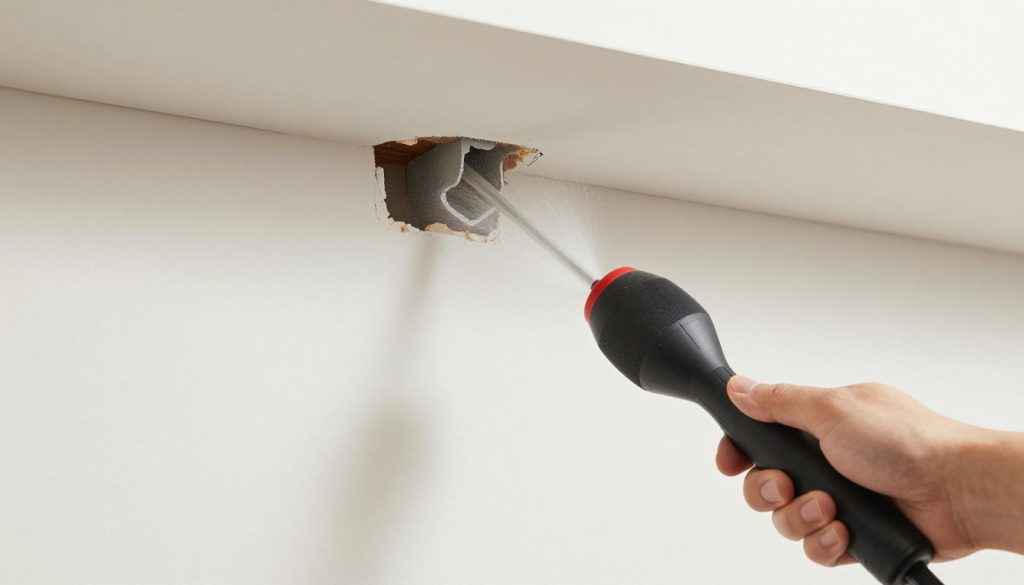
For spots where liquid sprays cannot reach, dust insecticides like DeltaDust, Tempo, or Cimexa are perfect. Use a bellows hand duster to apply a fine, barely visible layer into wall voids and crawl spaces. Spiders will avoid large powdery piles, so a light touch is the key to success.
Exterior Spider Control: Building a Perimeter Barrier System
Establishing a protective perimeter is the most effective way to manage outdoor spider populations before they migrate inside. High-quality pest control starts at the foundation to prevent spiders from finding a path into your home. By focusing on the exterior, you can stop a spider problem before it ever reaches your living room.
Step 1: Eliminate Outdoor Spider Harborage Sites
Spiders love to hide in quiet, dark spots near your walls. Removing these hiding places is the first step in a successful spider management plan.
Moving Firewood, Debris, and Stacked Items
Stacked items like firewood and construction lumber provide perfect nesting areas. Moving these items at least twenty feet away from the structure reduces the risk of pests crawling inside. This simple change makes your foundation much less attractive to crawling arachnids.
Trimming Vegetation and Tree Limbs
Trimming shrubs and tree limbs is vital for a safe home environment. When vines or branches touch the house, they act as a bridge for spiders. Keeping a clear space around the siding helps the pest control barrier work much more effectively.
Step 2: Apply Perimeter Spray Barriers Around Your Foundation
Perimeter sprays create a chemical zone that kills spiders on contact. This invisible wall stops them from setting up webs near your primary doors.
Treating Door Thresholds and Garage Entrances
Focus your treatment on door thresholds and garage entrances. These high-traffic areas are common entry points where spiders sneak in through small openings. A thorough application in these spots provides a strong line of defense.
Covering Foundation Vents and Siding Edges
Do not forget the foundation vents and the bottommost edge of your siding. These hidden gaps are easy for pests to find if you do not treat them regularly. A precise application here ensures long-lasting control throughout the season.
Step 3: Seal Entry Points and Install Exclusion Barriers
Physical barriers are just as important as chemical treatments. They provide a permanent solution to keep unwanted visitors out of your home.
Window Screens and Door Sweeps
Tight-fitting windows screens and door sweeps block the easiest way in. Even a small gap under a door can let a large spider pass through with ease. Installing these tools creates a physical shield against all types of crawlers.
Caulking Cracks and Gaps
Use high-quality caulk to seal cracks around windows and utility pipes. Closing these gaps keeps out both the spider and the small insects they hunt for food. This double-layer approach offers the best control for any residential property.
Step 4: Modify Outdoor Lighting to Reduce Prey Insects
Spiders congregate where the food is, and their food usually follows the lights. Traditional bulbs attract night-flying insects, which then draw spiders to your primary entry points. Switching to yellow or sodium vapor lights can significantly reduce this attraction.
Keeping your exterior dark at night or using bug-resistant bulbs is a smart pest management strategy. It reduces the number of spiders that gather near entry areas where they might otherwise slip inside. This exterior pest management creates a critical first line of defense for your family.
How Spray Barriers Work to Stop Web Building
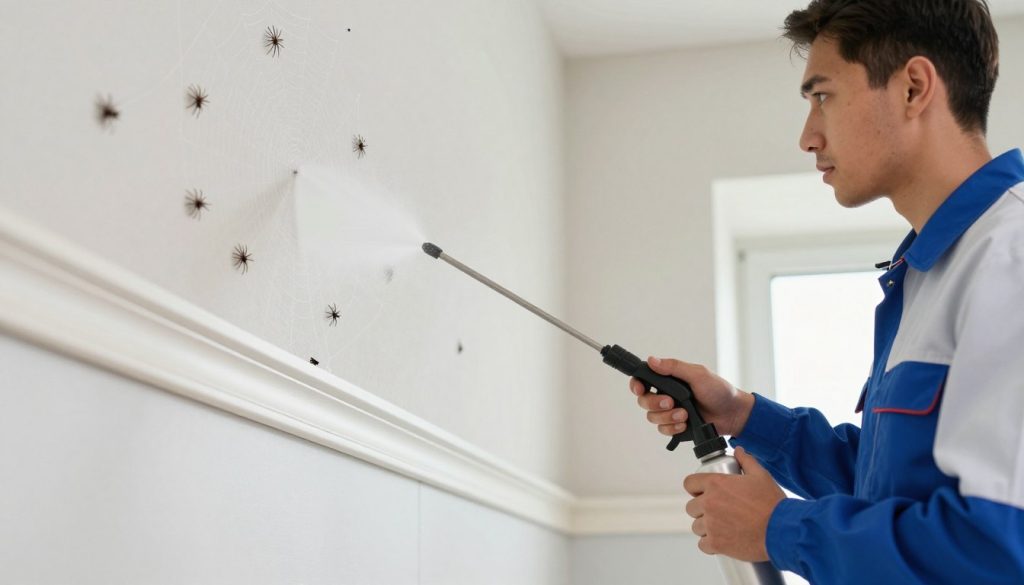
Modern pesticides create a protective perimeter that fundamentally changes how spiders interact with your property. These barriers treat the surface of your home to stop webs from appearing. Experts use liquid solutions to keep walls clean and pest-free.
Active Ingredients That Deter and Kill Spiders
Professional spider control relies on high-quality synthetic pyrethroids. These ingredients target the nervous system of any insect that crawls across the treated area. This contact causes paralysis and death for the invading pests.
Bifenthrin, Cyfluthrin, and Deltamethrin Effectiveness
Bifenthrin, cyfluthrin, and deltamethrin are the heavy hitters for outdoor control. These products offer broad-spectrum protection and cling to external walls. They kill spiders upon contact while remaining active for several weeks after the initial application.
Lambda Cyhalothrin for Long-Lasting Protection
Lambda cyhalothrin provides long-lasting control for your home foundation. It reduces insect populations effectively to starve out any local spider. This chemical stays active even when the weather turns very warm during the summer months.
How Chemical Barriers Interrupt Spider Behavior
Chemical barriers interrupt the way a spider hunts. When spiders touch a treated zone, they experience rapid mortality. This reduces overall populations and keeps your eaves clear of messy webs. This insect barrier also deters new spiders from nesting on your porch.
Application Frequency: Monthly vs. Bi-Monthly Treatments
You should schedule treatments based on the season to manage spider numbers. Monthly visits help when insect populations are high. Bi-monthly applications work well in the winter to prevent spiders from moving inside. Rain and UV rays eventually break down the barrier strength, necessitating regular broad-spectrum control.
Combining Spray Barriers with Physical Removal
Spray barriers work best when you also remove webs by hand. While some homeowners try peppermint spray, it lacks the power of professional spider control. Natural oils like peppermint smell nice but do not stop every insect.
Even though a popular choice like peppermint is common, it cannot protect your home’s food sources. Professionals must kill insects to ensure a successful treatment. Reducing the insects that serve as food is the best way to maintain a spider-free home. Many spiders will avoid your home when you remove their prey and destroy their egg sacs.
| Treatment Method | Active Ingredient | Key Impact | Application Cycle |
| :— | :— | :— | :— |
| Perimeter Spray | Bifenthrin | Long-lasting barrier | Monthly |
| Crack and Crevice | Deltamethrin | Stops crawling bugs | Bi-monthly |
| Residual Barrier | Cyfluthrin | Fast knockdown | Bi-monthly |
Conclusion
Successfully managing spiders involves more than just a quick spray; it requires a persistent dual-approach strategy. Combining interior methods with exterior perimeter barriers effectively stops web building throughout the entire home. This comprehensive method ensures that you address current infestations while preventing future invaders from finding a way inside.
Understanding spider behavior and identifying specific spider species helps you apply targeted treatments for long-term success. Consistent application of these pest control tips is essential for lasting results. Use these maintenance tips to perform regular inspections and remove webs promptly to discourage spiders from settling in corners.
Reducing clutter in storage areas and sealing entry points creates an inhospitable environment for any unwanted pest. Remember to eliminate food sources for prey insects to keep spiders away from your house. While DIY efforts work for many homes, you should contact professional services for dangerous infestations like black widows.
By pairing chemical barriers with physical exclusion, you can prevent spiders from entering your living space. Following these expert methods consistently allows you to maintain a clean home and a comfortable environment all year long.