

Did you know that your beautiful backyard could be hiding thousands of tiny, uninvited guests waiting for their next meal? Effective tick control is about more than just spraying chemicals; it is about reclaiming your outdoor space for your family and pets. Understanding tick behavior is the best way to start.
These pests thrive in a moist habitat found right around home boundaries. They often hide in leaf piles, tall grasses, and stone walls where they wait for a host to pass by. Keeping your lawn clean is the first step in making your property less inviting to these ticks.
These small arachnids can carry dangerous pathogens like Lyme disease. Managing your yard requires a smart strategy to remove the places where ticks love to breed. Professional tick control methods offer the best protection for your property. Knowing how a tick survives helps you stay safe during outdoor activities.
Key Takeaways
- Ticks prefer moist, shady areas such as leaf piles and tall grass.
- Black-legged ticks can transmit Lyme disease and other serious pathogens.
- Reducing habitat is the most effective way to protect your property.
- Clearing brush and woodpiles removes common breeding grounds.
- Strategic landscaping creates a dry barrier that pests avoid.
- Home maintenance combined with professional care offers long-term safety.
Why Tick Control Matters for Your Family and Pets
Many homeowners view ticks as minor annoyances, yet they are actually formidable carriers of serious diseases. These pests are dangerous vectors that threaten your family every day they remain active in your yard. Each blood meal a tick takes increases the risk of transmitting Rocky Mountain spotted fever or babesiosis.
Children and pets face high risks because they often play near ground-level vegetation. Cats and dogs frequently contract lyme disease and can carry infected parasites directly into your home. This movement creates an indoor health hazard for everyone in the household.
Untreated infections cause chronic joint pain, heart issues, and neurological problems. Proactive protection is the essential way to stop a dangerous disease from hurting your loved ones. Reducing the chance of a tick encounter keeps your outdoor living spaces safe and enjoyable.
| Risk Group | Common Exposure Area | Primary Health Risk |
|---|---|---|
| Children | Low garden foliage | Neurological complications |
| Pets | Tall grass and brush | Chronic joint inflammation |
| Adults | Yard borders and woodpiles | Tick-borne fever symptoms |
- Ticks transmit illnesses like anaplasmosis through blood meals.
- Infected animals bring environmental risks into your living spaces.
- Children are more vulnerable due to proximity to ground vegetation.
Understanding Tick Behavior and Habitat Preferences
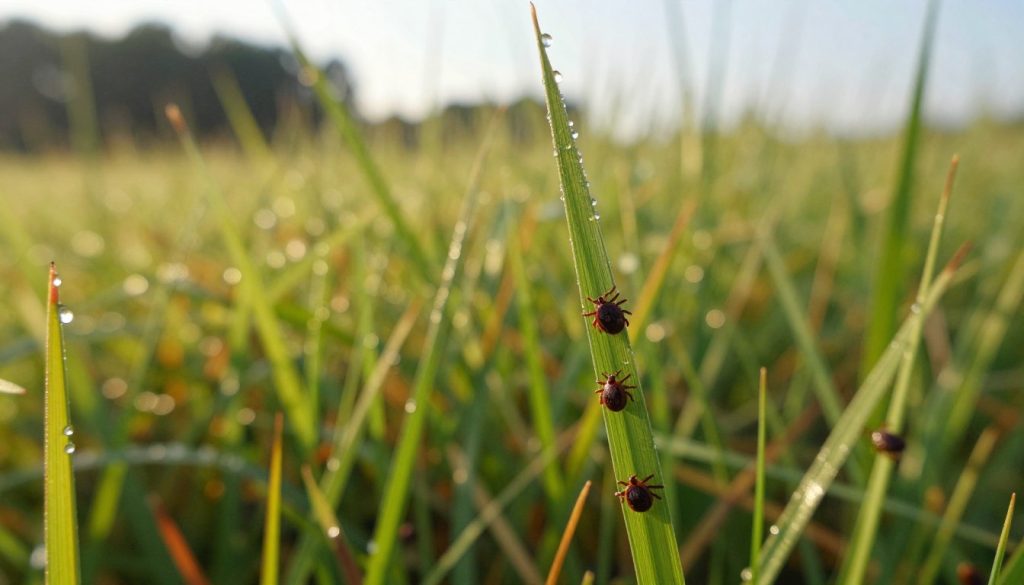
Knowing where these small arachnids hide helps homeowners build a stronger defense against infestations. These pests thrive in humid environments that keep them from drying out. Understanding their biology is the first step in effective management.
Where Ticks Live and Thrive
Ticks favor specific areas that offer deep shade and moisture. Wooded edges, stone walls, and brush piles are common spots for them to congregate. Identifying the specific areas ticks prefer is the first step toward a safer yard.
Accumulated leaf litter provides the perfect habitat for their survival. You should carefully search these shady areas for signs of infestation. High humidity in these spots prevents their bodies from losing too much water.
How Ticks Find Their Hosts
A tick does not jump or fly onto its target. Instead, it uses a specific way of hunting called questing. It climbs to the top of tall grass and waits with its front legs outstretched.
When a person or pet brushes by, the tick grabs hold immediately. Ticks sense body heat, vibrations, and carbon dioxide to find a host. Animal hosts like deer and mice carry them, spreading tick activity across your property.
This animal activity acts as a transportation system throughout the neighborhood. Understanding these patterns allows you to create a more effective barrier. By targeting their movement, you can better protect your family.
| Habitat Feature | Survival Benefit | Host Risk Level |
|---|---|---|
| Tall Grass | Ideal for questing | High |
| Leaf Piles | Prevents dehydration | High |
| Stone Walls | Moist and cool | Medium |
| Wooded Edges | Shade and cover | High |
Tick-Borne Diseases You Need to Know About
Exposure to tick-borne pathogens can lead to severe, long-term health consequences if you ignore the initial warning signs. Knowledge of these medical risks is the first step for every homeowner who wants a safe outdoor space. Each tick encounter carries the potential for a life-altering infection.
Lyme Disease and Its Complications
Lyme disease is the most prevalent tick-related illness in the United States. It is caused by Borrelia burgdorferi bacteria which enter the bloodstream through black-legged tick bites.
If you leave the infection untreated, it quickly spreads throughout the body. Victims often suffer from chronic joint inflammation, cognitive impairment, and neurological symptoms like Bell’s palsy or an irregular heartbeat.
Babesiosis, Rocky Mountain Spotted Fever, and Other Illnesses
Ticks transmit several other dangerous conditions. Babesiosis is a parasitic disease that causes flu-like symptoms and is especially dangerous for immunocompromised individuals.
Rocky Mountain spotted fever is a rickettsial infection that can be fatal without prompt medical care. Other threats include anaplasmosis and the Powassan virus, which can transmit to humans in as little as 15 minutes.
| Condition | Pathogen Type | Primary Risk |
|---|---|---|
| Babesiosis | Parasite | Red Blood Cell Damage |
| RMSF | Bacteria | Organ Damage |
| Powassan Virus | Virus | Brain Inflammation |
Protecting Dogs and Cats from Tick-Borne Diseases
Both dogs cats are highly susceptible to these pathogens. Pet owners should watch for symptoms such as lameness, fever, lethargy, or a sudden loss of appetite.
Infected pets often carry ticks into your home or yard from wooded areas. These pests can drop off the animal and cause subsequent bites on human family members indoors.
Creating a Tick-Safe Zone Through Strategic Landscaping

Effective tick control begins with a well-designed plan that modifies your outdoor living areas. Strategic landscaping serves as the foundation for keeping your family safe. It changes your property into a place where parasites cannot survive easily.
To help reduce the number of ticks, you must eliminate moisture and heavy shade. Expert pest solutions suggest designing spaces that stay dry and sunny throughout the day. This simple way of managing your lawn will help reduce tick activity significantly.
Focus your efforts on high-traffic zones where children and pets spend time. Removing dense vegetation makes your yard less attractive to rodents and deer. These animal hosts are often the primary reason a tick might enter your living space.
| Landscape Zone | Management Strategy | Control Benefit |
|---|---|---|
| Play Areas | Expose to Sunlight | Dries out tick larvae |
| Property Borders | Mulch or Gravel Barriers | Prevents tick migration |
| Garden Beds | Thinning Vegetation | Reduces moisture retention |
| Outdoor Patios | Strategic Landscaping | Foundational tick control |
Keep Your Lawn Mowed and Grass Short
One of the most effective ways to help reduce the risk of ticks is maintaining a short grass height. Regular mowing is a simple method to reduce tick habitat in residential areas.
By keeping your lawn trim, you eliminate the spots where a tick might wait for a host. Ticks often climb tall blades to quest with their legs outstretched for passing pets.
Short blades allow more sunlight to reach the soil and lower moisture levels. These dry conditions are very harsh for pests. We recommend mowing weekly and using a bagging mower to remove debris. This strategy keeps your property safe and clean.
| Maintenance Activity | Recommended Frequency | Tick Control Benefit |
|---|---|---|
| Lawn Mowing | Once Weekly | Lowers questing height for pests |
| Edge Trimming | Weekly | Limits migration from wooded zones |
| Bagging Clippings | Every Mow | Eliminates damp organic hiding spots |
Clear Brush, Weeds, and Leaf Litter Regularly
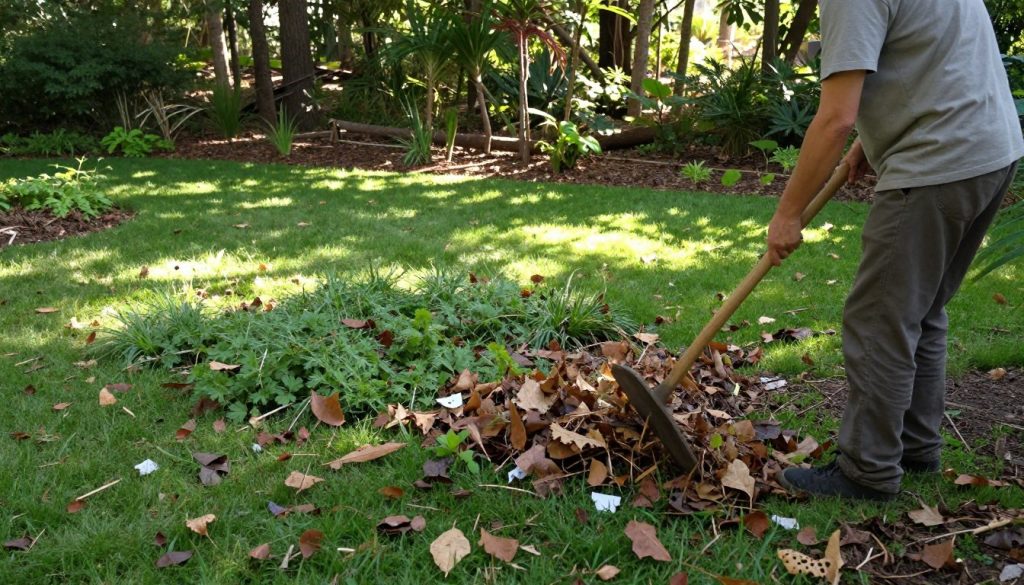
Ticks thrive in moist, shady areas where humidity remains high. Accumulated leaf litter and brush create the perfect microenvironment for these pests to survive dry spells. By clearing these zones, you remove the protective layers they need to reproduce.
Removing brush piles also discourages hosts like mice and shrews from nesting near your home. Focus on clearing vegetation away from stone walls and foundations. These spots often trap moisture and provide shelter for unwanted guests.
Consistent leaf litter removal in the spring and fall helps reduce tick numbers significantly. Disposing of this waste far from your property perimeter prevents pests from returning. Keeping the ground clear improves visibility and makes your yard safer for children.
| Habitat Feature | Risk Level | Professional Action |
|---|---|---|
| Accumulated Leaf Litter | High | Rake and bag during seasonal cleanups |
| Brush and Weed Piles | High | Remove debris away from property lines |
| Stone Wall Crevices | Moderate | Clear all organic matter and foliage |
Reduce Vegetation and Ground Cover Around Your Property
Reducing the amount of thick greenery on your property helps limit where pests hide. Dense vegetation creates the moist, shaded conditions in certain areas ticks favor. You should manage these spaces to stop pest populations from growing.
Removing Japanese Barberry and Pachysandra
Some plants are more dangerous than others for pest control. Japanese barberry shrubs retain moisture and leaf litter beneath their dense canopies. These shrubs create micro-climates that support more pests than open grass.
Pachysandra also provides continuous shade and high humidity for a tick host like a mouse. Replacing these plants with drier alternatives makes your yard less hospitable. Consider these changes for a safer landscape:
- Replace thick ground cover with wood chips or gravel.
- Create a three-foot buffer zone around high-traffic areas.
- Thin out problematic species to reduce habitat density.
Trimming Bushes and Trees to Increase Sunlight
Increased sunlight is a natural enemy to a tick. Trimming lower tree branches and thinning bush canopies allows more light to reach the ground. This process raises temperatures and lowers the moisture levels that ticks require to survive.
Better air circulation also helps dry out the soil quickly after rain. Clearing these areas makes your yard safer for children and pets. This simple step reduces the attractiveness of your home to deer and rodents.
| Plant Type | Sunlight Level | Risk Level |
|---|---|---|
| Japanese Barberry | Low | High |
| Pachysandra | Low | High |
| Wood Chips | High | Low |
Manage Wood Piles and Seal Stone Walls
Managing structural features in your yard reduces a local tick population. Improperly stored wood piles create dark, moist areas. These spots attract mice and chipmunks that bring pests closer to your home.
To prevent this, stack firewood on elevated racks in dry, sunny spots. Keep these stacks at least 20 feet from your house. Good air circulation between logs reduces the moisture that host animals seek for shelter.
Stone walls also provide nesting spots for rodents in their many crevices. Removing leaf litter from wall bases helps eliminate moist environments. This simple maintenance removes the microenvironments where pests thrive and hide during the day.
| Management Area | Recommended Action | Strategic Goal |
|---|---|---|
| Firewood Stacks | Use elevated racks | Discourage rodent hosts |
| Stone Walls | Apply mortar to gaps | Eliminate nesting crevices |
| Wall Base | Clear brush and leaves | Reduce humidity and moisture |
Sealing gaps with mortar finally discourages ticks from settling near your living space. Structural maintenance prevents these pests from establishing themselves close to your doors. Consistent landscape management remains the best defense for your family.
Create Three-Foot Barrier Zones with Mulch and Gravel
Constructing a three-foot barrier using wood mulch or stone provides a dry environment that discourages pests. These zones create physical boundaries that stop movement into managed areas. By using dry materials, you eliminate the moist transition spots that allow a tick to survive.
Place these strips between high-risk wooded spots and high-use spaces like patios around home perimeters. Dry gravel works by desiccating any ticks attempting to cross the line. Since these arachnids require constant moisture, this setup protects the high-use areas of your property.
Install these perimeters around swing sets to create safer zones for children around home landscapes. While scientific evidence shows mixed results, the low cost makes this a smart supplementary measure. Keep the path weed-free and replenish materials annually to ensure they stay effective.
| Material | Key Benefit | Maintenance |
|---|---|---|
| Wood Chips | Low cost and natural look | Annual replenishment |
| Gravel | Excellent drainage and heat | Weed suppression |
| Crushed Stone | Permanent physical boundary | Occasional cleaning |
Position Play Areas and Outdoor Furniture in Sunny Locations

Maximizing sun exposure in your yard’s recreational zones is a powerful way to reduce tick encounters. Placing lawn furniture in the sun helps keep ticks away because they cannot survive long in direct heat. Direct sunlight rapidly dries out their bodies, making bright spots naturally safe for your loved ones.
You should position swing sets, sandboxes, and trampolines in the center of your lawn. This strategic move keeps play equipment at least twenty feet away from wooded edges and stone walls. These shady habitats often hide large populations of pests waiting for a host.
Moving your outdoor dining sets and lounge chairs to sunny spots protects your family during gatherings. This layout, combined with regular mowing, creates a multi-layered defense. You transform your yard into a hostile environment for any questing tick.
- Keep sandboxes and swing sets in open, high-light areas.
- Maintain a 15 to 20-foot buffer from tall grasses and brush piles.
- Ensure outdoor recreational gear stays away from leaf litter and damp soil.
| Yard Location | Sunlight Level | Tick Risk | Recommended Use |
|---|---|---|---|
| Wooded Border | Very Low | High | Strictly Perimeter |
| Open Lawn Center | High | Low | Active Play Zones |
| Patios & Decks | Moderate to High | Low | Dining and Relaxing |
| Stone Walls | Low | Moderate | Observation Only |
Professional Tick Control Treatments and Services

Securing your property from blood-sucking pests often requires the specialized tools of a professional pest control service. These experts manage severe infestations by applying expert-designed tick control treatments around home sites. Using a professional pest control team ensures your yard stays safe and comfortable for your family.
Comprehensive Exterior and Interior Inspection
Certified technicians start with a thorough exterior inspection to find where pests hide. They examine property perimeters and animal trails to map the population. This exterior inspection also includes interior checks where a mosquito tick may enter your living space on a pet.
Customized Treatment Plans for Your Property
A specialist will design a unique tick treatment plan for your specific landscape. This mosquito tick control strategy targets local species and includes a targeted tick treatment for high-risk areas. Your mosquito tick plan uses integrated pest control methods to reduce the risk of diseases.
Ongoing Monitoring and Prevention Reports
Experts use monitors to track tick control effectiveness over time. On each service day, you receive a report detailing the treatments applied and future control steps. This professional pest control approach provides a level of control and specialized control treatments that DIY methods cannot match.
By reviewing the treatments applied, your technician can adjust the plan to ensure long-term pest and tick control. This ongoing attention keeps your lawn protected throughout the entire season.
Acaricide Applications to Reduce Tick Populations
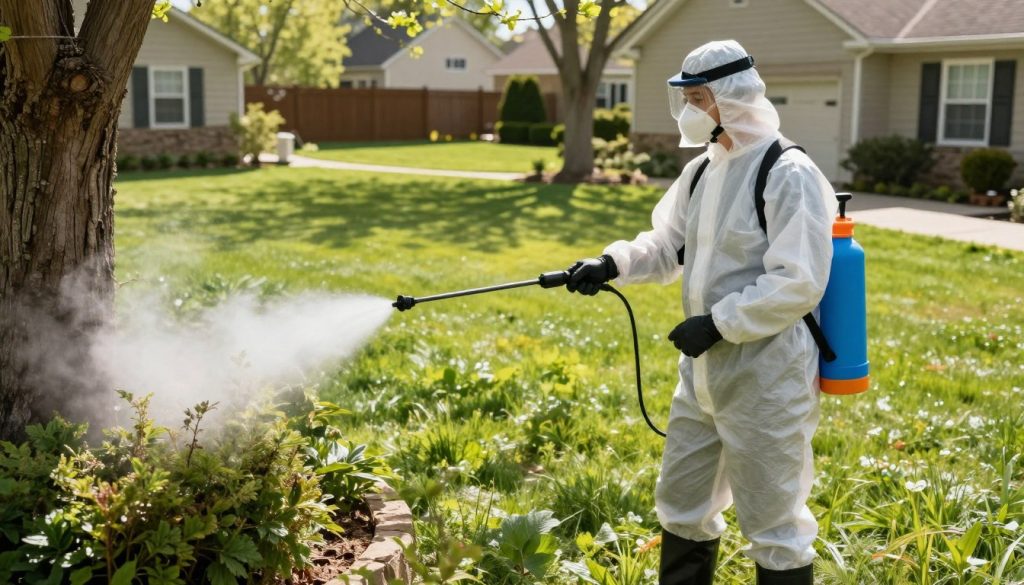
Applying EPA-registered tick control acaricides can significantly lower the risk of tick encounters around your home. These specialized pesticides are formulated to target and control ticks directly. They represent the most effective chemical method to reduce tick populations on your property.
Professional tick control treatments often achieve the best results. Experts use commercial-grade equipment to ensure high pressure and uniform distribution. This coverage is much more effective than standard consumer-grade sprayers.
A solid mosquito tick defense strategy includes these targeted sprays. Using chemical applications will help reduce tick numbers for six to eight weeks. These control treatments work best when you also use smart landscaping habits to help reduce habitat areas.
Types of Acaricides and Effectiveness
Synthetic pyrethroids like permethrin and bifenthrin offer the most reliable chemical control. These products provide a 70-90% decrease in the local tick population. They last longer than organic alternatives made from essential oils.
Liquid formulations generally provide better coverage than granules for residential use. While organic botanical extracts exist, they break down quickly in the environment. This makes them a less effective treatment for long-term protection.
Best Timing for Tick Season Treatments
Timing is critical during the tick season to maximize your family’s safety. The first treatment should occur between late April and early June. This targets nymph-stage ticks when they are hardest to see and carry the most disease.
A second application in October helps manage adult populations. This fall treatment prevents adults from laying eggs before winter. Managing these cycles is the best way to reduce tick populations for the next year.
Integrating these sprays into your mosquito tick plan improves yard safety. Professional treatments during peak tick season ensure you catch ticks when they are most active. This proactive approach keeps your lawn safe for summer activities.
Safety Considerations for People and Pets
Safety is the top priority whenever you schedule a tick treatment. Always follow the specific EPA-registered product label directions exactly. These rules ensure that the chemicals are used responsibly around your home.
Keep people pets off the treated areas until the liquid spray has dried completely. This process usually takes between 12 and 24 hours depending on the weather. Once the area is dry, it is safe for your family to return to the yard.
Professional applicators wear proper protective equipment to ensure a safe delivery. Choosing a licensed expert for your tick season treatments provides peace of mind. This ensures your yard remains a healthy environment for both people pets.
Tick Tubes and Host-Targeted Control Methods

Using permethrin tick tubes is a smart method for host-targeted tick control at home. These small tubes contain treated cotton that mice collect for their nests. This process kills any tick trying to feed on the rodents during their early life stages.
It provides a focused way to manage ticks while they are still immature larvae or nymphs. Place these tubes near stone walls or vegetation edges to reduce tick populations. This targeted control strategy avoids the need for spraying the entire landscape with chemicals.
Research shows mixed results, but this tick control remains a popular supplementary tool. A new oral vaccine for rodents released in May 2023 also helps control the spread of Lyme bacteria. Use these tubes alongside professional landscaping to stay safe from ticks.
Wildlife Management to Minimize Tick Activity
Managing wildlife on your property is essential for prevention. Animals like deer and rodents serve as primary transportation hosts. Professional guidance suggests that controlling these visitors lowers tick activity.
Installing Deer Fencing for Tick Prevention
Adult ticks need blood meals to produce eggs. Installing eight-foot fencing effectively excludes animals to reduce tick activity. This exclusion breaks the reproductive cycle of the tick.
Relocating Bird Feeders Away from the House
Birds carry ticks and serve as disease reservoirs. These ticks pick up bacteria from other wildlife. Relocating feeders 25 feet away limits animal activity.
Removing fallen fruit and securing trash also reduces mammal activity. This strategy prevents the tick from thriving in high-traffic zones.
| Wildlife Host | Primary Risk Factor | Management Strategy |
|---|---|---|
| White-tailed Deer | Egg deposition and transport | Install 8-foot perimeter fencing |
| Songbirds | Lyme disease reservoir | Move feeders 25 feet from home |
| Raccoons & Opossums | Tick transportation | Secure trash cans and lids |
| Rodents | Larval tick hosts | Remove outdoor pet food sources |
Protecting Your Pets from Tick Infestations

Protecting your pets from tick infestations is essential for maintaining a healthy house. Since dogs cats explore wooded areas and tall grass, they often carry ticks indoors. This creates a secondary risk for your entire family when these parasites drop off in your living spaces.
Use veterinary-prescribed prevention to stop diseases like Lyme, anaplasmosis, and babesiosis. These products protect your pet year-round by killing parasites before they transmit illness. Always perform a daily pet check after every outdoor activity to keep your beloved pets safe.
| Priority Area | What to Look For |
|---|---|
| Ears and Neck | Check inside flaps and under the collar. |
| Paws and Toes | Inspect the skin between every single toe. |
| Underbelly | Search areas where hair is thinner and skin is warm. |
If a tick attaches to your animal, use fine-tipped tweezers to pull it straight out. Avoid twisting the parasite to prevent leaving the mouthparts behind. Consult experts for the best pet care options for your specific region and lifestyle.
Year-Round Tick Prevention and Habitat Monitoring
To keep your family safe, year-round tick control is necessary because these pests stay active whenever it’s above freezing. Since tick activity continues on any day over 35°F, constant monitoring is vital. This proactive prevention strategy manages the traditional tick season through every weather change.
Maintaining control involves several key steps to ensure a tick-free environment. You should schedule specialized treatments to protect your yard. Regular property checks help find ticks before they establish.
- Conduct drag sampling for accurate population data.
- Schedule integrated mosquito tick treatments.
- Remove leaf litter to eliminate winter hiding spots.
- Monitor adult activity during mild winter periods.
| Season | Focus Area | Method |
|---|---|---|
| Spring | Nymph Prevention | Acaricide Application |
| Summer | Lawn Control | Weekly Mowing |
| Winter | Tick control | Habitat Inspection |
Conclusion
Securing your home against a pest requires a smart plan for lasting protection for your family. Effective tick control combines lawn care with expert help to clear your back yard.
Professional tick control services provide a 30-Day Money Back guarantee for your home. This ensures total protection and peace of mind. Take action now.