
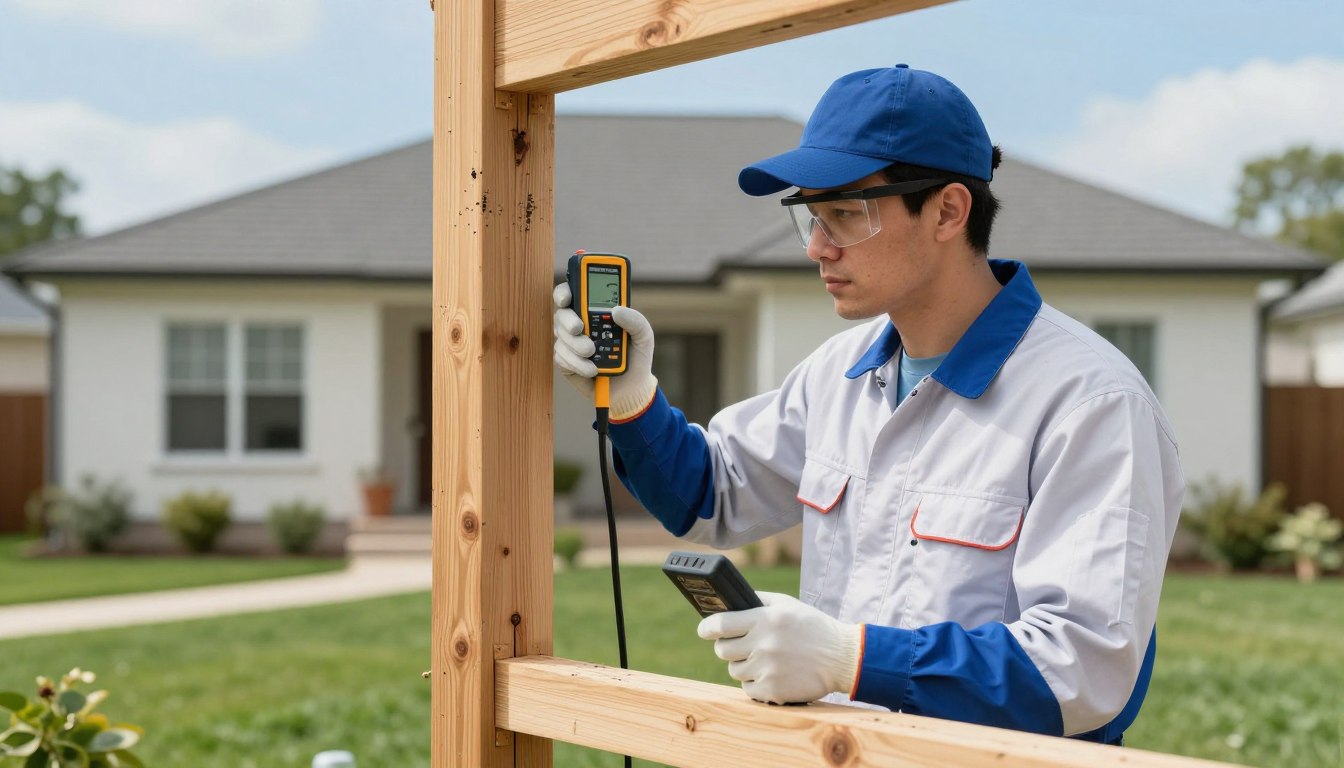
If you knew silent pests were eating your most valuable asset, how long would you wait to act? Every year, these invaders cause billions of dollars in structural damage across the United States. Maintaining effective termite control is the only way to safeguard your home from wood-destroying insects.
Liquid barriers typically offer a five-year window of defense. Each professional treatment method provides a specific level of protection for your property. These solutions vary based on the products used and the local environment.
Choosing a solid control plan helps keep your home safe from wood-boring pests. Warranties ensure your investment stays secure if termites return. This guide explores how long these services last and why professional monitoring matters for long-term termite safety. We also explain why termites are such a threat to your building.
Key Takeaways
- Liquid soil treatments generally provide a defense for up to five years.
- Baiting systems offer ongoing security through regular professional monitoring.
- Destructive pests cause billions in American property damage every year.
- Warranty terms vary significantly based on the treatment method you choose.
- Professional services provide better long-term results than typical DIY approaches.
- Regular inspections are vital to maintaining the effectiveness of any barrier.
How Long Does Termite Control Last?
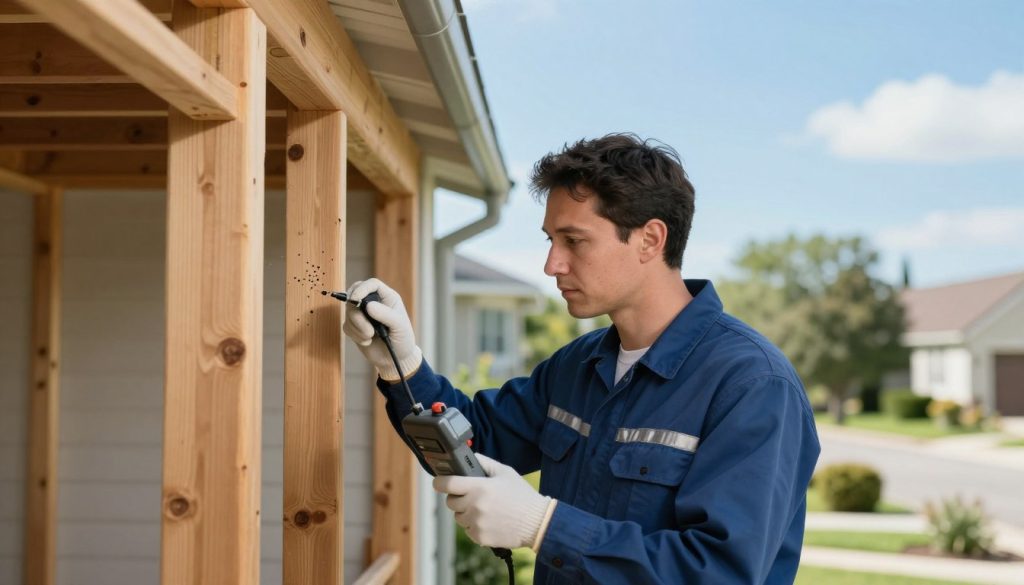
Homeowners often ask about the longevity of termite control, especially since different methods provide varying levels of protection over time. A professional termite treatment typically remains effective for several years, but the specific duration depends on the application. For instance, liquid barriers often protect a home for five to ten years.
| Treatment Method | Average Lifespan | Protection Type | Maintenance |
|---|---|---|---|
| Liquid Barrier | 5 – 10 Years | Chemical Shield | Periodic Inspections |
| Bait Stations | Continuous | Colony Elimination | Ongoing Service |
| Fumigation | Single Event | Active Infestation | Preventive Follow-up |
Liquid methods create a chemical zone that stops termites from entering your home. Soil composition and moisture levels can impact how long this professional service lasts. A termite baiting system provides a different approach by offering continuous monitoring through a network of stations.
Drywood termites require fumigation, which kills the active colony but leaves no lasting shield. This is why a professional termite inspection is vital for your foundation. Companies like Orkin use their nine decades of experience to ensure your termite protection stays strong.
Reputable pest control companies also offer renewable service agreements. These agreements provide extra peace of mind and re-treatment if new termites appear during the warranty period. Consistent monitoring is the best way to extend the effectiveness of any initial application.
Factors That Affect Termite Treatment Longevity
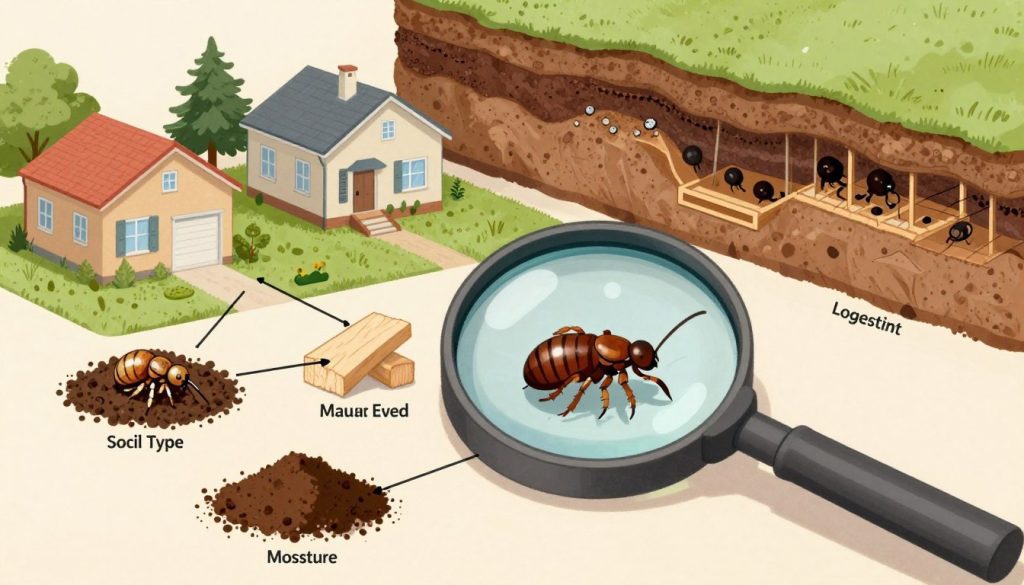
The durability of a termite treatment depends on a mix of application standards and local environmental factors. While most professional solutions offer years of security, specific elements on your land can shorten this window. Understanding these technical variables allows you to better manage your home’s long-term defense.
Treatment Method and Application Quality
Expert exterminators follow strict manufacturer specifications to ensure success. A liquid barrier requires precise trenching depth and correct dosage rates to stop a termite from entering. Professional-grade treatments provide much longer protection than DIY methods because they ensure thorough coverage of all vulnerable foundation areas.
- Use of professional-grade termiticides.
- Correct trenching depth for liquid barriers.
- Strict adherence to specific dosage rates.
Environmental Conditions and Climate
Local weather patterns significantly impact how chemicals persist in the soil. Oklahoma City experiences frequent humidity which increases termite activity risk and speeds up chemical degradation. Priority Pest notes that Oklahoma’s clay-rich soil can also impact how well bait and barrier systems perform over time.
Severity of Initial Infestation
Properties with massive initial infestations often face higher pressure for years. If structural vulnerabilities like wood-to-soil contact remain, termites may return much faster. Aggressive monitoring is vital for any property located in a high-pressure zone to prevent new damage to the structure.
| Factor | Impact on Performance | Ideal Conditions |
|---|---|---|
| Soil Type | Clay-rich vs Sandy breakdown | Stable soil conditions |
| Environment | Humidity and rainfall levels | Low moisture levels |
| Quality | Professional vs DIY treatments | Expert application |
Liquid Termite Treatments: Duration and Effectiveness
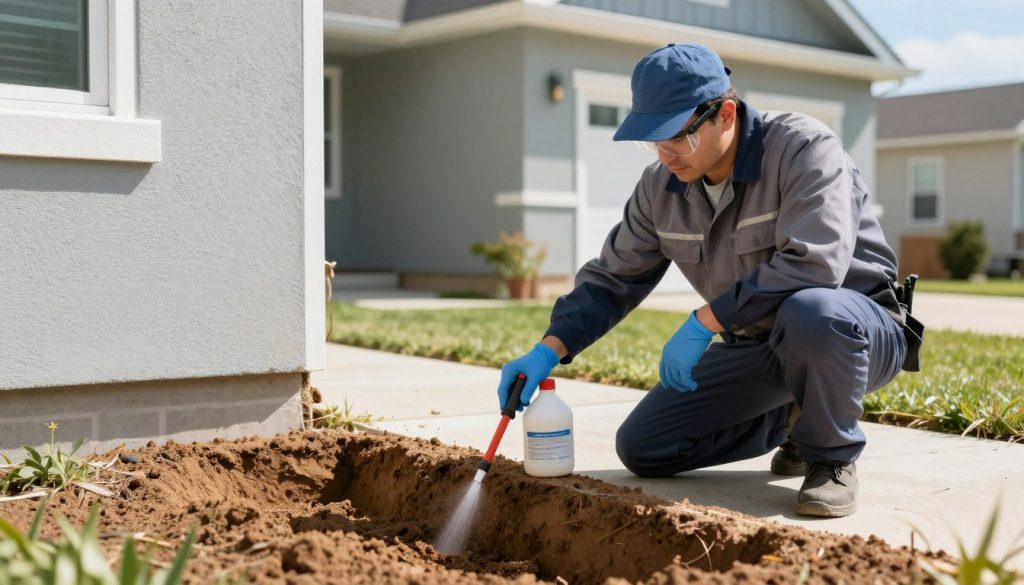
Applying a liquid termiticide to the ground creates an invisible shield that stops pests before they enter your structure. These termite treatments serve as a primary defense for residential properties across the United States. Hulett describes this liquid defense as applying products directly to the foundation perimeter to create a treated zone.
This method works exceptionally well for subterranean control in various regions and climates. For instance, Priority Pest adjusts applications based on Oklahoma’s specific soil composition to ensure maximum results. Professional technicians focus on creating a continuous barrier that leaves no gaps for entry.
A liquid barrier also helps protect hard-to-reach areas like crawl spaces and slab foundations. By saturating the ground, experts ensure that every potential entry point receives coverage. This thorough approach is why many homeowners prefer liquid solutions over alternative methods.
How Liquid Barrier Treatments Work
The process begins with trenching around the foundation and drilling into slabs or crawl spaces. Professionals inject the liquid at specific rates to saturate the area thoroughly. Modern non-repellent chemicals allow termites to move through the treated area without noticing it.
As they pass, they pick up the active ingredient on their bodies. These termites then share the chemical with other members through contact. This transfer effect eventually destroys the termites and the entire colony while providing long-term protection.
Expected Lifespan of Liquid Termiticide
Most professional-grade liquids maintain their strength for 5 to 10 years. However, the specific soil environment plays a major role in this timeline. Moisture levels, high temperatures, and microbial activity can cause the chemical to break down faster.
Manufacturers use extensive field studies to determine how long a termite treatment remains active under various conditions. Many certified professionals offer transferable warranties to document the length of the treatment. This ensures your home stays safe from a termite infestation long after the initial application. Reliable experts provide lasting termite security for your property.
Termite Bait Station Systems: Long-Term Protection

Strategic termite bait station installation services transform your property perimeter into an active defense system that targets the source. Hulett’s Sentricon System uses a protective ring of stations to shield your home from subterranean threats. This approach earned the EPA’s Presidential Green Chemistry Challenge Award because it uses a targeted amount of active bait only where needed.
The system relies on over 60 scientific studies to ensure effectiveness. By placing these tools around the home, experts intercept foraging pests before they ever reach the structure.
How Bait Stations Eliminate Entire Colonies
These specialized bait stations contain cellulose attractants that termites prefer over structural wood. Worker termites find the termite bait and share it with the rest of the colony. This recruitment process ensures the treatment reaches every member of the local colonies.
The bait includes insect growth regulators that stop the termite molting process. Since the pests cannot grow, the entire colony eventually collapses. This method is the only way to reach and eliminate the queen for total colony control.
Ongoing Monitoring and Station Maintenance
Priority Pest technicians perform regular visits to inspect each termite bait unit. They strategically place bait stations around properties, especially those near wooded areas with high pest pressure. Regular monitoring ensures that any new colonies are caught early.
Technicians replace consumed bait and assess local activity during every visit. Unlike liquid barriers that have a set lifespan, this system provides continuous protection. As long as you maintain the service, your home stays defended against future termites.
Understanding Termite Treatment Warranties

While standard insurance usually ignores pest issues, a dedicated warranty provides the safety net you need.
A professional termite control agreement ensures your home stays safe from hidden threats.
These contracts offer vital protection that covers what your main policy misses, specifically regarding expensive termite damage.
What Standard Termite Warranties Cover
Most plans guarantee a free termite treatment if the pests return within a set timeframe.
For example, Orkin provides a 30-day satisfaction guarantee or a full refund if the issue persists.
Hulett customers receive free re-treatments if activity appears between scheduled visits.
These agreements typically last for several years as long as you keep the contract active.
Some plans only cover the labor and materials for new applications.
Comprehensive warranties may go further by covering the costs of structural restoration if new colonies appear.
Warranty Terms, Conditions, and Exclusions
You must schedule an annual service visit to keep your coverage valid.
Failing to show up for an inspection often voids the agreement entirely.
Be aware that most contracts exclude pre-existing damage or infestations in areas not originally treated.
Written documentation ensures you know exactly how to file a claim if pests reappear.
Transferable warranties also add significant value when you decide to sell your property.
This proof of maintenance gives buyers confidence that you worked hard to prevent structural damage.
What Professional Termite Control Services Include
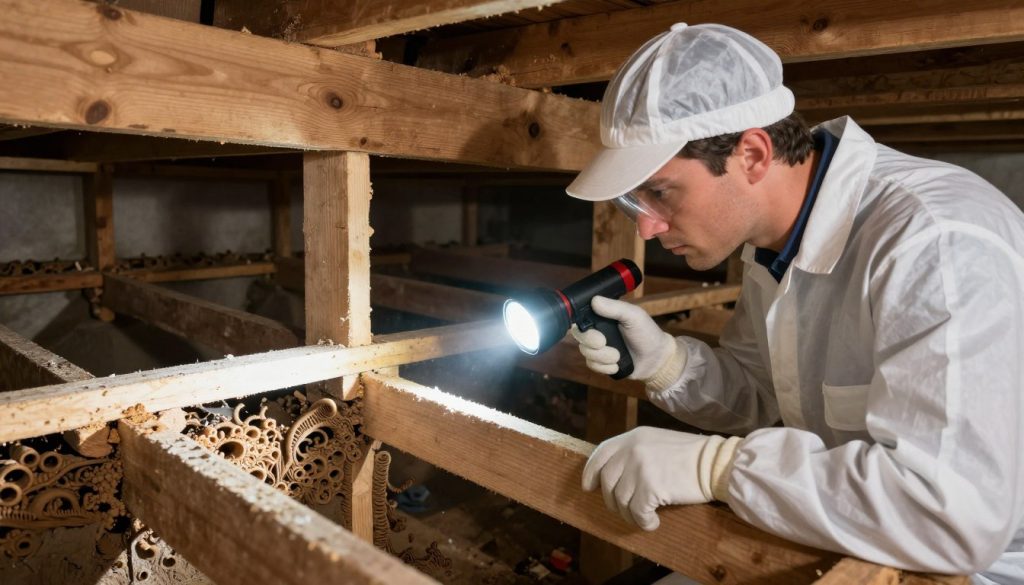
When you invest in a professional termite protection plan, you receive a comprehensive suite of services designed to eliminate active colonies. This complex process ensures that every corner of your property remains safe from wood-destroying pests. Quality pest control services provide total peace of mind by using advanced science to stop active termites.
Hiring a professional termite expert involves a detailed strategy to protect your home. These technicians look for signs of activity that an untrained eye might miss. By choosing expert pest control, you ensure that your structural investment is guarded by the latest industry standards.
Comprehensive Property Inspection
A thorough inspection is the vital first step in the process. Experts like those at Orkin systematically examine foundations, crawl spaces, and attics to find active termites. They identify the specific species involved and look for moisture issues or wood-to-soil contact.
Trained inspectors assess the severity of the termite infestation throughout the interior and exterior. They document conducive conditions that could lead to future problems. This data allows the technician to build a specialized map of your property’s vulnerabilities.
Targeted Treatment Application
After the assessment, technicians use specialized equipment to apply high-grade termiticides. These services include a custom plan based on your property’s construction and the specific needs of your home. Licensed experts apply treatments according to strict safety rules and manufacturer specifications.
This targeted pest control approach ensures the chemicals reach the heart of the colony. Technicians treat active areas and apply protective measures in high-risk zones. This dual-action method stops current damage and prevents new invaders from entering.
Follow-Up Visits and Continuous Monitoring
A professional service does not end with the first application. Technicians schedule follow-up visits to verify that the termites are gone and the barrier remains intact. They provide detailed reports outlining all findings and any treatments performed during the visit.
Continuous monitoring allows the team to catch new activity early. Companies like Hulett may even send arrival texts and email service reports for full accountability. Regular checks ensure that your termite warranty remains valid and your property stays secure.
Signs Your Termite Treatment May Need Renewal
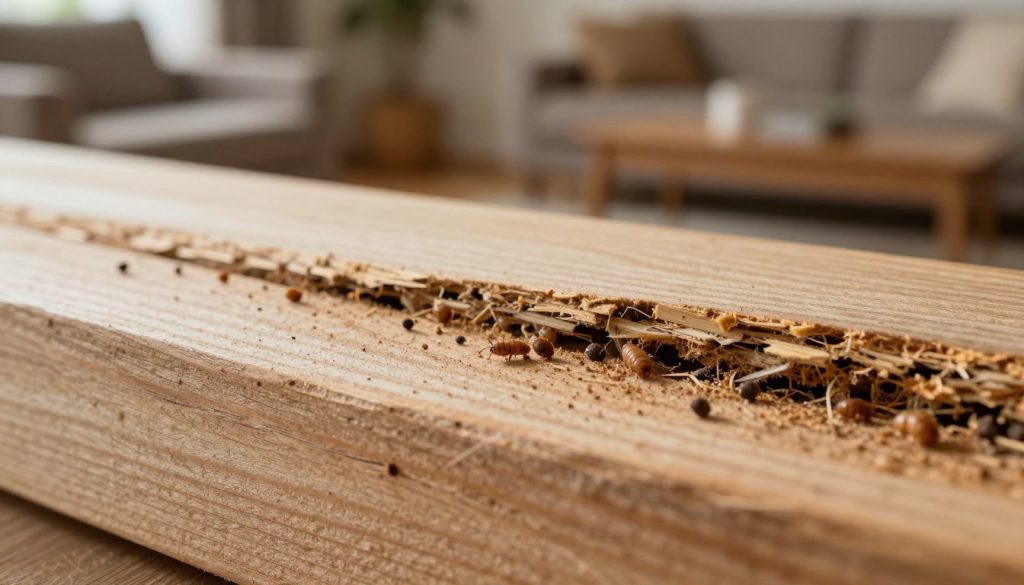
Spotting the early indicators of a returning infestation can save you from costly structural damage later. Even the best protective barriers can weaken over time due to weather or soil shifts. It is vital to watch your home for new warning signals that suggest your previous treatment is no longer effective.
Active Termite Activity Indicators
Visible swarmers or discarded wings near windows and doors indicate a mature colony is nearby. According to Hulett, subterranean termites usually swarm during the day, while drywood termites prefer the night. Observing a swarm suggests that the pests are actively reproducing near your property.
If you see these winged insects, it often indicates active termite activity within your home. Priority Pest notes that these winged reproductives are searching for new places to nest. Finding discarded wings on your windowsills is a major red flag that requires immediate attention.
Always document any changes you see between your scheduled professional visits. Taking photographs of suspected areas helps a technician evaluate the situation quickly. Termites can remain hidden for months, making these visual records extremely valuable for your next inspection.
New Structural Damage or Mud Tubes
Check your foundation for mud tubes, which are pencil-width tunnels used for safe travel. These tubes help a termite move between the soil and your wood food sources. You may find them on exterior walls, floor joists, or inside dark crawl spaces.
Tapping on surfaces that produce a hollow sound often reveals hidden feeding beneath the surface. You might also notice small piles of pellets called frass near your baseboards or furniture. These signs suggest that the protective barrier has been breached and needs a professional refresh.
New moisture problems or plumbing leaks can compromise your current treatment. These damp conditions create perfect environments that attract new termites to the structure. Identifying these signs early ensures that any necessary renewal happens before major structural issues occur.
| Warning Sign | Visual Description | Primary Location |
|---|---|---|
| Mud Tubes | Earth-colored tunnels | Foundation walls |
| Discarded Wings | Small, translucent wings | Window ledges |
| Frass | Tiny, sand-like pellets | Near wooden fixtures |
Common Termite Species and Treatment Duration
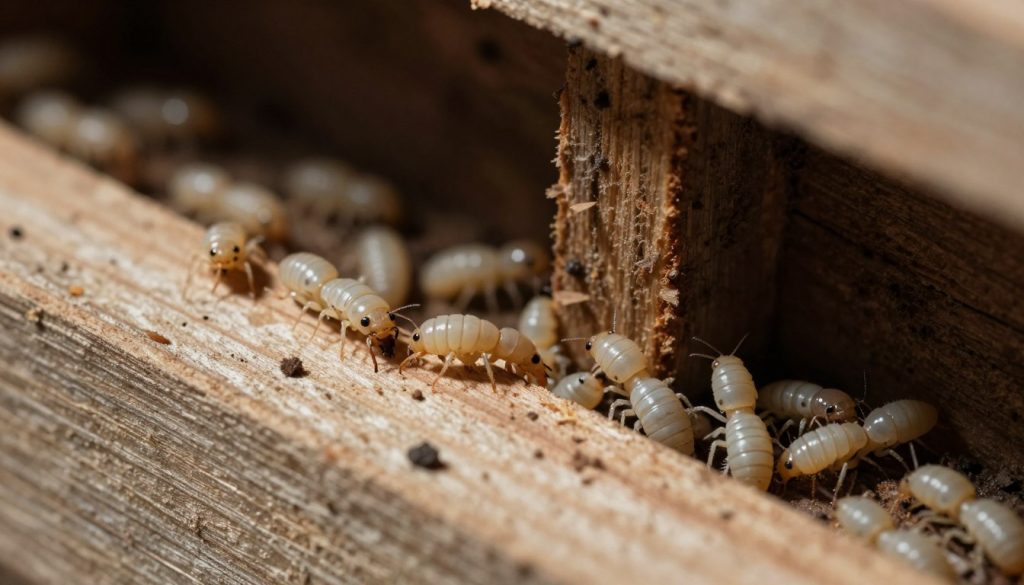
To determine the duration of a treatment, experts first identify the termite species and their specific biological habits. Effective protection depends on understanding how these pests interact with your home’s foundation and structure.
Each type of pest requires a different strategy to ensure long-term success. Professionals must match the product to the biological needs of the invading insects.
Subterranean Termites
Subterranean termites are the most common and destructive species in the United States. These pests live in an underground colony that may house millions of individuals.
Liquid barriers or bait systems typically provide five to ten years of protection against this species. In places like Oklahoma City, Eastern subterranean termites thrive in damp soil and require constant moisture to survive.
Drywood Termites
Drywood termites infest wood directly without any soil contact. They live entirely within structural timbers or furniture and have much smaller colonies.
Fumigation provides immediate elimination of the population but lacks residual protection against future termite activity. Homeowners often need secondary spot treatments or monitoring to prevent a new infestation from starting.
Formosan Termites
Experts often call Formosan termites “super termites” due to their aggressive nature. They cause severe termite damage very quickly compared to other subterranean termites.
Control requires intensive approaches because these termites can build aerial nests that bypass ground-level barriers. This aggressive behavior means the damage can become structural before a homeowner even notices a problem.
Professional termites specialists must identify the exact type to prevent further loss of structural wood. Regular inspections remain the best way to catch these fast-moving invaders early.
| Termite Type | Primary Habitat | Typical Treatment Life | Key Characteristic |
|---|---|---|---|
| Subterranean | Underground Soil | 5 – 10 Years | Builds mud tubes |
| Drywood | Inside Dry Wood | Immediate (No Residual) | No soil contact needed |
| Formosan | Soil and Aerial Nests | Ongoing Monitoring | Extremely aggressive |
Why Annual Termite Inspections Are Essential
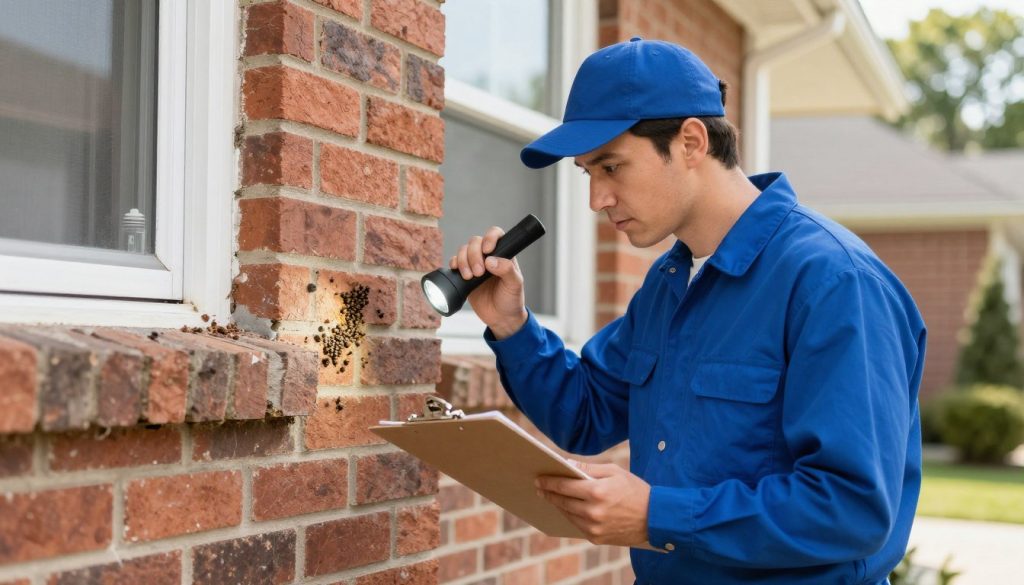
Scheduling annual termite inspections is a proactive strategy to safeguard your biggest financial investment from silent destruction. Priority Pest recommends that most owners schedule a termite inspection at least once per year. The Oklahoma City climate supports termites throughout every season. This constant risk makes regular inspections vital for every local property.
Licensed pest professionals detect subtle signs that many people miss in their home. They identify moisture patterns and minor wood damage to find a termite colony early. Routine termite inspections help you avoid massive repair bills later. Professional termite inspections ensure that small issues do not turn into major structural disasters.
Consistent inspections also keep your service warranty active and valid. Documentation provides a clear record for any future real estate transaction or property sale. Investing in an annual termite inspection protects your home from hidden termites effectively.
- Licensed professionals detect early warning signs before extensive damage occurs, potentially saving homeowners thousands of dollars in repair costs.
- Trained inspectors recognize subtle indicators of activity that homeowners typically miss, including moisture patterns and conducive structural conditions.
- Regular assessments fulfill warranty requirements for most professional services, ensuring your re-treatment guarantees stay valid.
- Termite pressure varies seasonally based on weather patterns, making consistent monitoring essential to catch new infestations during peak activity.
- Inspection documentation provides valuable records for property value assessment, insurance purposes, and real estate transactions requiring clearance.
- Properties in high-risk zones or those with a previous infestation history benefit from more frequent checks, potentially every six months.
- Preventive inspections cost significantly less than damage repairs, making professional assessments a cost-effective investment in long-term maintenance.
Prevention Tips to Extend Treatment Effectiveness
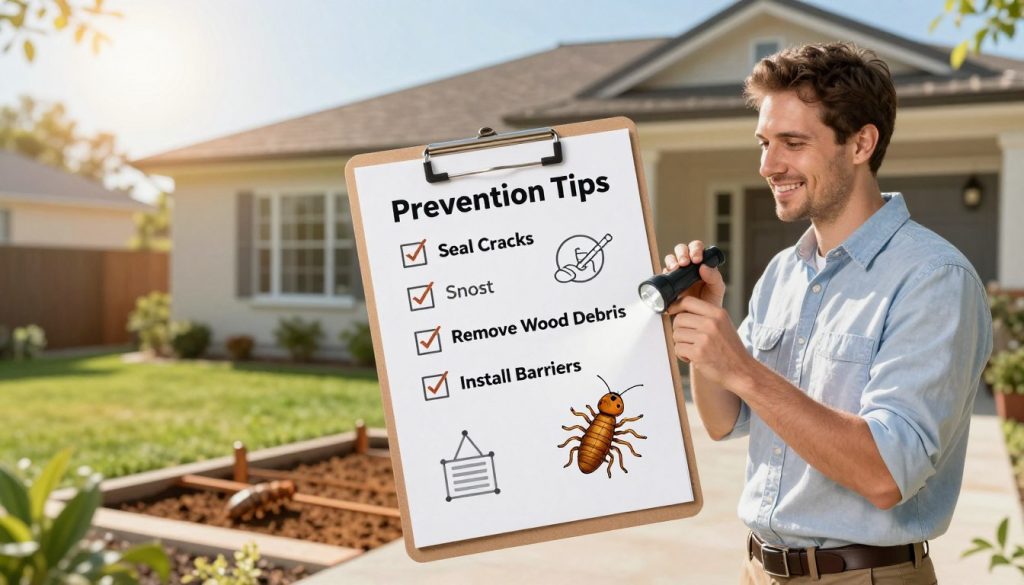
Extending the life of your professional treatment involves smart environmental management around your home. Proactive steps help maintain the barrier and discourage pests. These tips protect your property and ensure your termite control investment lasts.
Managing Moisture Around Your Foundation
Priority Pest recommends reducing moisture because termites thrive in damp environments. Fix leaky pipes and ensure rainwater drains away from your home. In Oklahoma, homeowners see increased termite activity after heavy storms.
Check for pooling water near crawl spaces and condensation under decks. Proper grading prevents water accumulation and keeps the soil dry. Maintaining ventilation in crawl spaces also reduces humidity levels and prevents wood decay.
Eliminating Wood-to-Soil Contact Points
Limit wood-to-soil contact to prevent future infestations. This contact gives pests easy access to your structure. Use concrete or metal barriers to separate wood from the soil.
Keep mulch and wood piles several feet away from the foundation. Reducing mulch depth and using gravel can prevent future issues. Regular prevention maintenance helps by sealing cracks and replacing damaged wood across the property.
- Repair leaking gutters and downspouts immediately.
- Maintain clear ventilation in crawl spaces and attics.
- Use prevention strategies like sealing foundation cracks.
| Task | Impact | Schedule |
|---|---|---|
| Fix Leaks | Removes water sources | Monthly |
| Clear Gutters | Directs water away | Seasonally |
| Store Firewood | Blocks easy access | Annually |
WDO Inspections for Real Estate Transactions
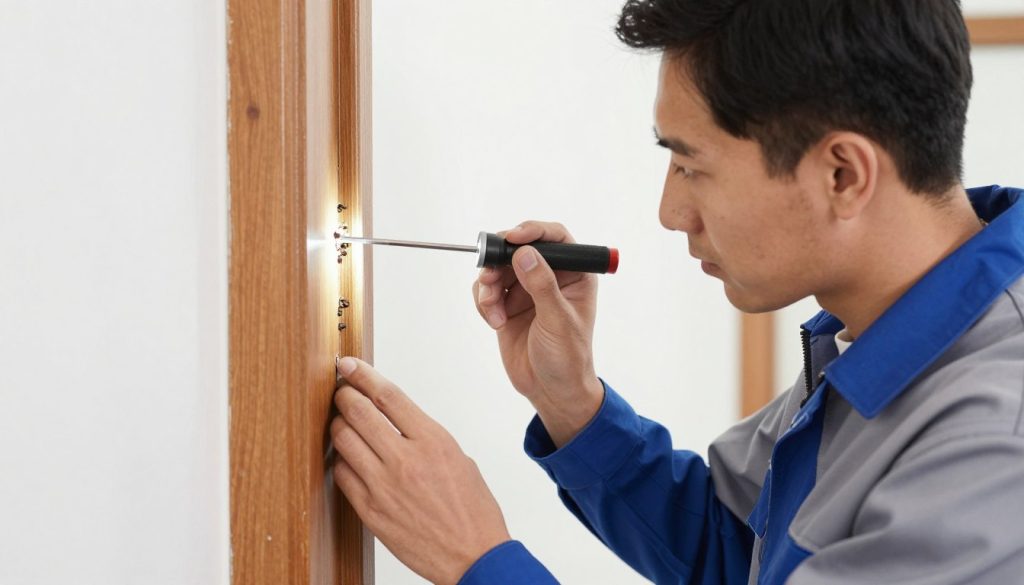
Buying or selling a property often requires a professional WDO inspection to ensure it is safe. These visual assessments check for active or past signs of pests. This includes termites, carpenter ants, and powder post beetles.
Inspectors look at crawl spaces and foundation walls for mud tubes or bore holes. Identifying a termite infestation early helps keep the home sale moving. This report documents current pests and previous damage.
Many lenders require a clear termite inspection report before they approve a loan. In cities like Oklahoma City, sellers must disclose any known history of termite activity. Hulett explains that having these reports ready early removes common closing obstacles for real estate agents.
A termite inspection is a small cost compared to expensive structural repairs. This due diligence protects the buyer and the property during the closing process. Professional pest control experts help remove obstacles by providing these detailed reports.
Professional Termite Control vs. DIY Solutions
While retail shelves offer many options, the gap between professional pest control and DIY kits is vast. Experts from Orkin note that DIY solutions rarely work against serious termite infestations. Homeowners often lack the commercial-grade products and specialized equipment required to stop these pests.
Professional termite control relies on science-based methods to reach termites deep within building structures. Licensed technicians receive extensive training to identify specific species and find every hidden nest. A simple home treatment usually misses the root of the problem, allowing the colony to continue its damage.
Choosing professional pest control services also provides long-term peace of mind through comprehensive warranties. Professional companies carry liability insurance and follow strict regulatory standards to protect your home. Expert pest management ensures you address the actual cause of the infestations rather than just surface symptoms.
A licensed termite expert uses specialized tools to target every hidden pest. This high-level treatment effectively halts termites and provides lasting termite control. These experts remove all pests for good.
| Feature | DIY Approaches | Professional Services |
|---|---|---|
| Product Grade | Retail-level solutions | Commercial-grade termiticides |
| Equipment | Basic hand tools | Specialized injection systems |
| Warranty | None or limited | Full retreatment guarantees |
| Inspection Scope | Surface level only | Structural and behavioral analysis |
Termite Treatment Cost and Long-Term Value
Calculating the cost of safeguarding your foundation involves weighing immediate service fees against the risk of massive repair bills. Choosing the right termite treatment is about more than just the initial price tag.
Professional pest control provides a safety net that DIY options simply cannot match. High-quality protection preserves the structural integrity of your property for years to come.
Factors That Influence Treatment Costs
The size of your home and the type of foundation significantly impact the final price. A major termite infestation requires more labor and materials than a localized spot treatment.
Priority Pest notes that regional labor rates and material costs also play a role in control expenses. Licensed experts must evaluate the property layout to determine the most effective application method.
Return on Investment for Professional Service
Repairing structural damage from termites often costs between $10,000 and $30,000. Since most insurance policies exclude this damage, a proactive termite control service is your only financial shield.
Investing in professional termite control ensures you have a warranty and total peace of mind. Many companies offer financing to make this essential termite treatment affordable for every home.
Experts utilize high-quality pest management tools to protect every termite entry point. When termites invade, the cost of delay far outweighs the price of professional prevention.
| Treatment Method | Average Price Range | Best For |
|---|---|---|
| Liquid Barrier | $1,200 – $2,500 | Immediate soil protection |
| Baiting Systems | $800 – $3,000 | Colony elimination |
| Fumigation | $2,000 – $8,000 | Severe drywood infestations |
Conclusion
Understanding how long termite treatments remain effective helps you maintain a safe and stable home. Liquid barriers often last five to ten years. Baiting systems offer ongoing protection through a continuous monitoring process.
Choosing professional termite services ensures you receive a comprehensive warranty. These guarantees provide peace mind and financial security that DIY methods simply cannot offer.
Consistent termite control is much cheaper than fixing structural damage caused by termites. Even with active protection, an annual inspection remains the most critical step to detect new termites early.
Knowledge of these treatment options allows you to make the best decision for your property. Contact a specialist today to schedule a professional termite inspection for your home.
Ensure your termite control strategy is robust. Take action now to keep termites away for good and enjoy lasting peace mind. Your termite defense starts with expert guidance.