
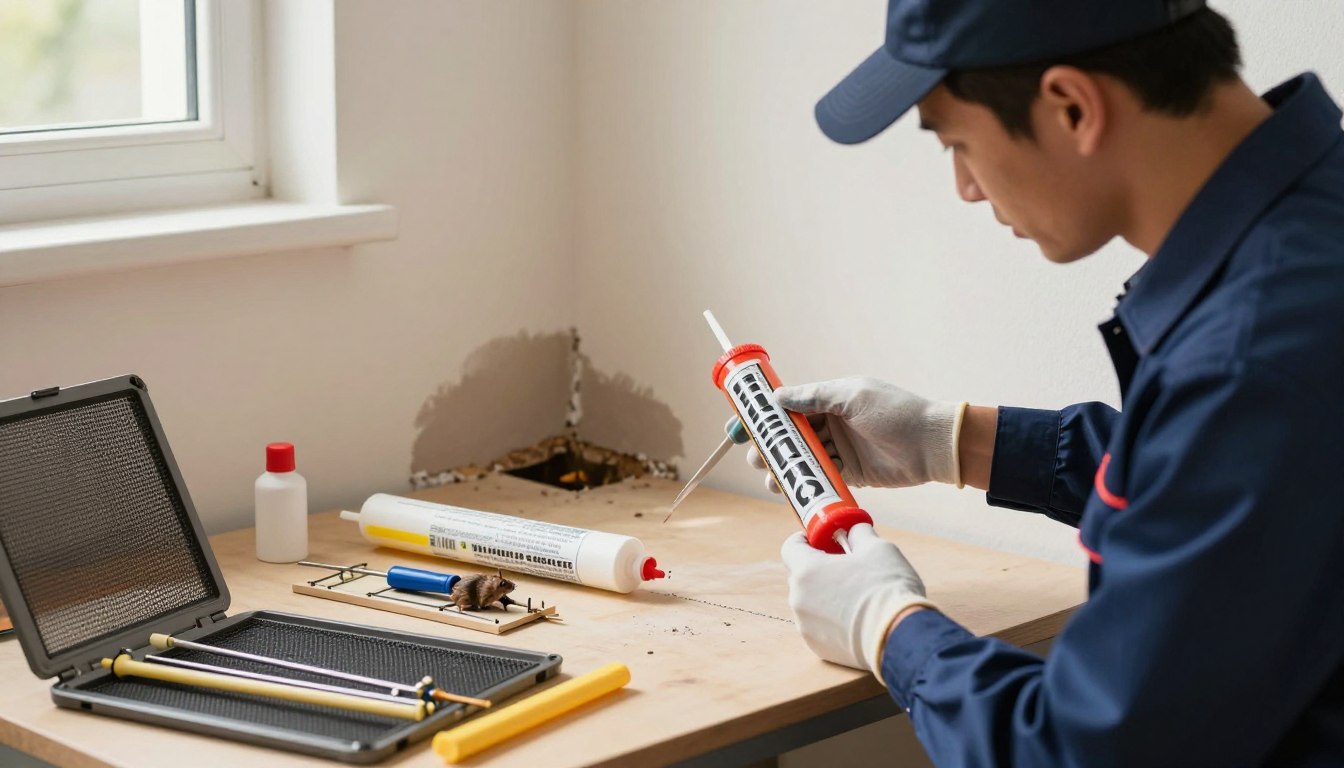
Did you know a tiny mouse can squeeze through a hole the size of a ballpoint pen? Mastering effective rodent control is the only way to keep your home safe from these persistent invaders. Professionals use a systematic approach that combines sealing gaps with strategic elimination to stop an infestation in its tracks.
Successful pest control begins with understanding your specific problem. Rats and mice require different sizes of traps or bait stations for the best results. Using the right products ensures you handle the situation quickly and humanely.
The best control strategy relies on three pillars: prevention, identification, and treatment. Professionals seal entry points with metal mesh or steel wool to block access permanently. These high-quality products are available for DIY use, providing the same strength as licensed services.
This guide explores professional rodent control methods that anyone can implement. Focusing on sanitation and exclusion helps maintain a rodent-free environment for the long term. Identifying the signs of a rodent early can save you significant time and money.
Key Takeaways
- Seal all entry points using 1/4 inch metal mesh or steel wool.
- Identify the specific species to select correctly sized traps and baits.
- Follow a three-pillar approach of prevention, identification, and treatment.
- Utilize professional-grade bait stations to ensure safety and effectiveness.
- Maintain high sanitation standards to remove food sources and nesting materials.
- Apply exclusion techniques to block access to the building foundation.
Understanding the Rodent Problem in Your Home

Rats and mice are more than a nuisance; they are biological machines that multiply and destroy. A rodent in your home seeks food and shelter, especially during the cold winter. Once inside, these rodents gnaw on cables and pipes, creating fire hazards and expensive leaks.
The speed at which rodents multiply is staggering. A single pair of mice can produce twelve young per litter. They have several litters each year, meaning two mice can turn into hundreds quickly. Rats also repopulate fast, averaging five litters annually.
| Population Factor | House Mice | Norway Rats |
|---|---|---|
| Litter Size | 10 to 12 pups | 8 to 12 pups |
| Annual Litters | Up to 10 | 4 to 6 |
| Primary Threat | Food Contamination | Structural Damage |
Poisons alone cannot provide a permanent pest control solution. You must address sanitation and exclusion to get rid of them for good. Effective control requires fixing the root cause to prevent health risks like hantavirus.
A rodent sighting requires immediate action to stop populations from growing exponentially. Delays allow the infestation to become entrenched in your walls. Protecting your property starts with understanding how quickly these animals take over.
Identifying Rats vs Mice: Critical First Steps
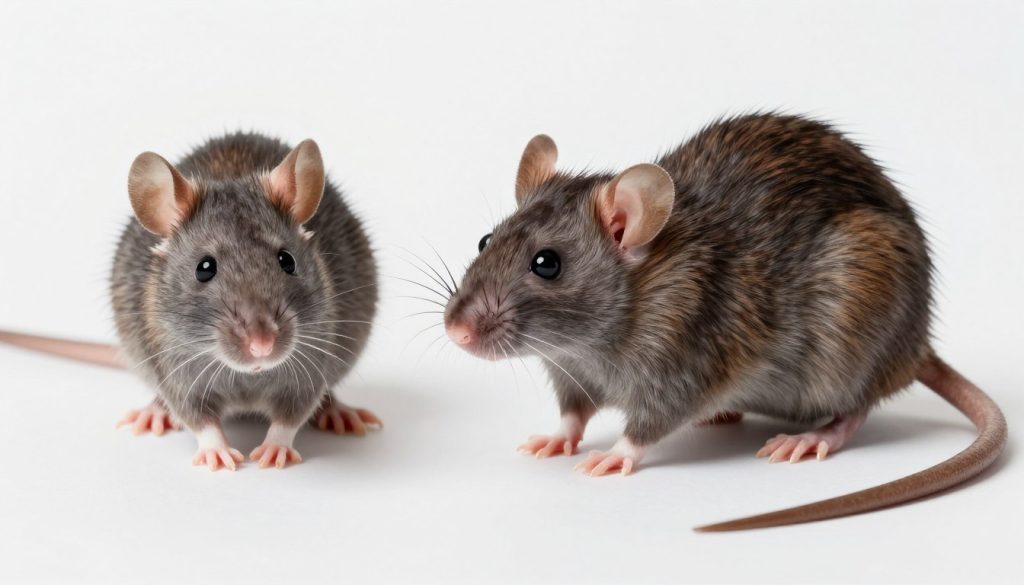
Picking the right control products depends entirely on knowing the specific rodent species in your living space. Accurate identification is essential for selecting appropriately sized bait stations and traps. Products come in species-specific sizes, so using a small mouse trap for a large rat often leads to failure.
House Mouse Characteristics and Behavior
House mice are very small, usually only 3 inches long and weighing between 1 and 2 ounces. They generally have gray or light brown fur with tails equal to their body length. These pests stay close to their nest, usually within 10 to 30 feet, and prefer to travel along walls.
A house mouse is highly curious but very small. They can easily fit through openings the size of a buttonhole. Because of their tiny size, they require specialized traps that trigger under very light weight.
Norway Rat Identification
The Norway rat is a robust pest that may grow 13 to 18 inches in length. They weigh between 10 and 16 ounces and feature fat, round bodies with short tails and small ears. Their coloring ranges from gray to reddish-brown or even black.
These rodents are known for their ground-burrowing behavior and preference for lower building levels. Because of their strength, they can gnaw through harder materials like plastic or wood. This makes proper rat mouse identification vital before purchasing exclusion materials.
Roof Rat Features and Habitat
Roof rats are distinguished by their slender bodies and large hairless ears. They grow 10 to 12 inches long and weigh roughly 6 to 9 ounces. Their most notable feature is a tail that is longer than their head and body combined.
You will typically find these pests in elevated locations like attics, rafters, and trees. They are excellent climbers and often enter homes through roof vents or power lines. Identifying a roof rat early helps you place traps in high-reaching areas they frequent.
Identifying Rodents by Droppings and Size
Checking for droppings is a practical way to distinguish between mice rats in your home. Mouse droppings are the size of rice grains, roughly 1/4 inch, and appear scattered with a strong musky odor. Rat droppings are three times as large, resembling olive pits, and are usually concentrated in discrete locations.
| Feature | House Mouse | Norway Rat | Roof Rat |
|---|---|---|---|
| Body Weight | 1-2 Ounces | 10-16 Ounces | 6-9 Ounces |
| Tail Length | Equal to Body | Shorter than Body | Longer than Body |
| Dropping Size | 1/4 Inch (Rice) | 3/4 Inch (Blunt) | 1/2 Inch (Pointed) |
Young rats are frequently mistaken for mice by many homeowners. To tell them apart, observe the tail length relative to the body and the size of the ears. A juvenile rat will have disproportionately large feet and a thicker tail than an adult mouse. Using the right rat mouse tools ensures your elimination efforts are successful from the start.
Recognizing Signs of Rodent Activity
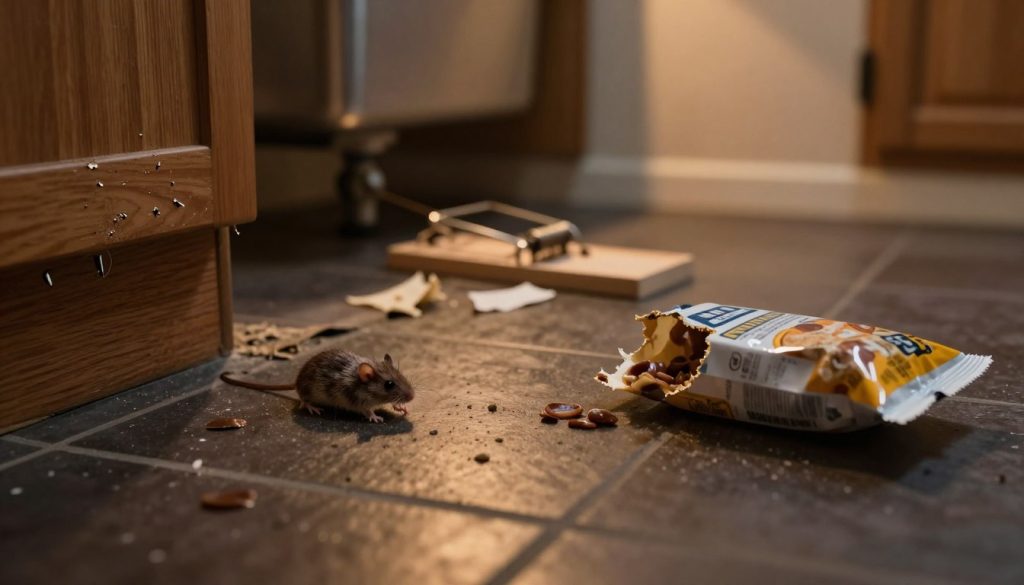
Identifying the subtle clues of a rodent presence helps you take action before a small issue becomes a crisis. As a pest solutions expert, I recommend checking high-risk areas like kitchens, basements, and crawlspaces daily.
Every rodent leaves specific physical evidence when they invade your home. Early detection allows for immediate professional-grade intervention to prevent structural damage or potential health risks.
To confirm if you have unwanted guests, look for these common indicators of an active infestation:
- Identify droppings near food sources and kitchen corners; mice often leave 80-100 rice-sized droppings daily.
- Look for visual damage including gnaw marks on wood, electrical wires, and cardboard packaging.
- Listen for scratching, scurrying, or squeaking noises from walls and ceilings, particularly during the night.
- Notice strong musky or stale odors that accompany infestations, including ammonia-like smells from concentrated urine.
- Find nesting materials like shredded paper, fabric, or insulation gathered in secluded wall voids or storage boxes.
- Observe pets showing unusual attention to walls or increased alertness, as rodents often trigger these reactions.
- Check for greasy smudge marks or rub patterns along baseboards where rodents repeatedly travel the same routes.
How Professionals Seal Entry Points to Prevent Infestations
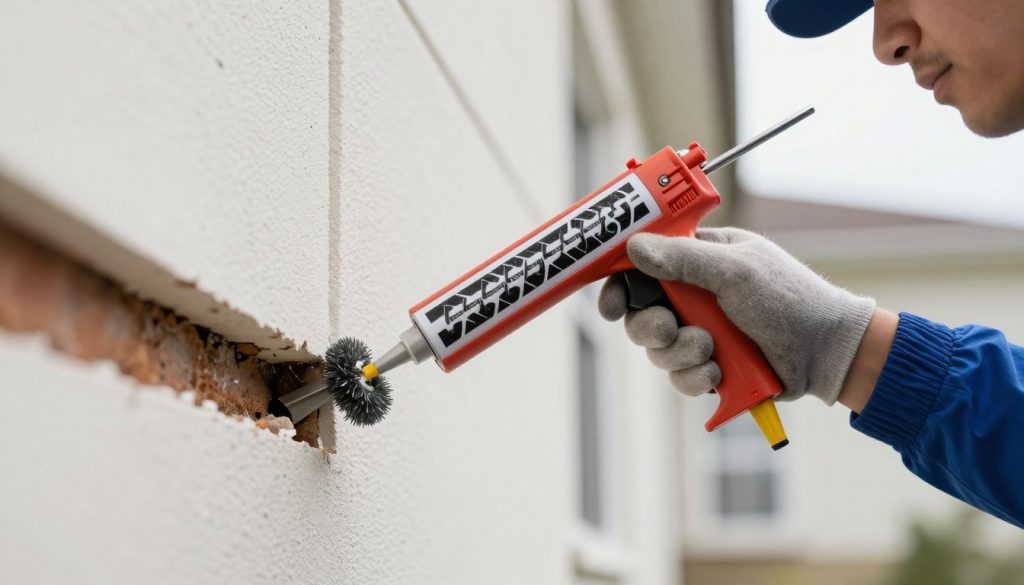
Sealing entry points is the most critical step in a professional rodent exclusion service to ensure long-term success. This proactive approach represents a superior strategy compared to trapping or baiting alone. By blocking access to your home, professionals stop the cycle of infestation before it begins.
Common Entry Points Rodents Exploit
Rodents are masters at finding structural weaknesses. A mouse needs an opening only as large as a buttonhole to enter. Rats can squeeze through gaps the size of a quarter to reach interior areas.
Gaps Around Pipes and Utilities
Utility lines often have small gaps where they enter the building. Professionals use 1/4″ x 1/4″ metal mesh to block these holes effectively. This material allows for natural pipe movement while providing a permanent pest barrier.
Foundation Cracks and Vents
Cracks in basement walls and unscreened attic vents are primary targets. Technicians reinforce these spots with steel wool or hardware cloth. These durable materials prevent entry through the most vulnerable parts of the structure.
Doors, Windows, and Baseboards
Worn weatherstripping and gaps under door thresholds provide easy access. Even baseboards that separate from the floor can hide secret pathways. Proper rodent control requires sealing every tiny crack found in these common transition points.
Professional Sealing Materials: Metal Mesh and Steel Wool
Expert exterminators use materials that rodents cannot chew through, such as metal mesh and steel wool. They also apply insulating foam infused with a bittering agent to deter gnawing. Unlike wood or plastic, these industry-standard tools offer lasting control.
Indoor Sealing Techniques
Technicians focus on hidden areas like the spaces behind large appliances and inside dark closets. They inspect plumbing under sinks and kitchen cabinets for any signs of passage. Sealing these internal points limits how pests move through the building.
Outdoor Perimeter Protection Methods
Maintaining a 2-foot clearance between vegetation and your walls is essential for control. Removing climbing ivy takes away the natural ladders pests use to reach rooftops. Quarterly inspections help ensure your rodent control strategy stays effective year-round.
Eliminating Rodent Attractants: Food, Water, and Shelter
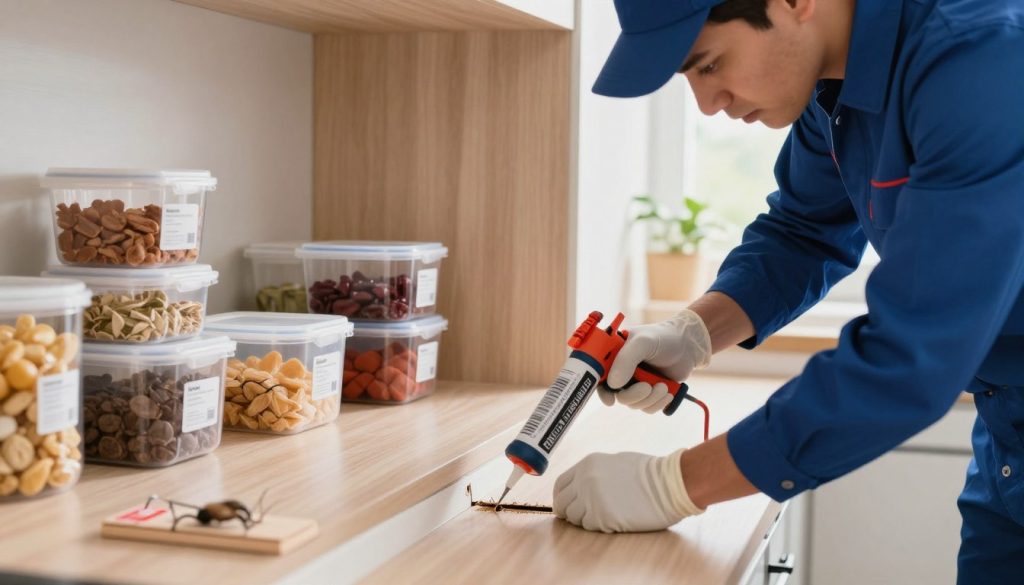
You can stop infestations before they start by cutting off the vital resources that a rodent requires to survive. This pest management strategy makes your home inhospitable by removing easy access to nourishment and hiding spots. When you eliminate these essentials, rodents are less likely to stick around or move in.
Indoor Food Source Management
Storing your food properly is the first line of defense. Move items like cereal, chips, and flour from opened bags into airtight glass or plastic containers. This prevents smells from leaking out and attracting unwanted guests.
Keep your kitchen surfaces spotless by wiping down stovetops and counters every night. Never leave pet bowls with kibble out until morning, as this provides a steady meal for intruders. Use lidded bins for trash and compost to seal away any potential leftovers.
Outdoor Attractant Removal
Your yard often provides the first meal for a searching pest. Remove bird feeders that drop seeds on the ground and trim back ivy. Ivy provides thick shelter and harbors snails and slugs, which are a common food source for rats.
Maintain your lawn by keeping the grass cut to a maximum of two inches. Ensure compost piles are located far from your foundation to reduce activity near the walls. Keeping the perimeter clean forces animals to look elsewhere for sustenance.
Water Source Elimination
Removing moisture is just as important as hiding snacks for any rodent population. Repair leaky pipes and dripping faucets immediately to take away their drinking water. Fix condensation issues in crawlspaces and empty any standing water in your yard.
| Attractant Category | Professional Action | Direct Benefit |
|---|---|---|
| Hydration | Fix Leaky Faucets | Removes drinking sources |
| Vegetation | Trim Ivy and Grass | Eliminates prey and cover |
| Sanitation | Sealed Trash Bins | Blocks odor and access |
Nesting Material and Shelter Removal
To get rid of potential nesting sites, you must declutter your storage areas. Clear away stacks of cardboard, old newspapers, and spare fabrics from attics and garages. These soft materials are perfect for building warm nests.
Keep firewood elevated on racks at least twenty feet away from your building. Maintain a two-foot clearance between shrubs and your foundation walls. Finally, trim tree limbs so they are at least three feet away from your roof to prevent easy access.
Rodent Bait Stations: Tamper-Resistant Control Solutions
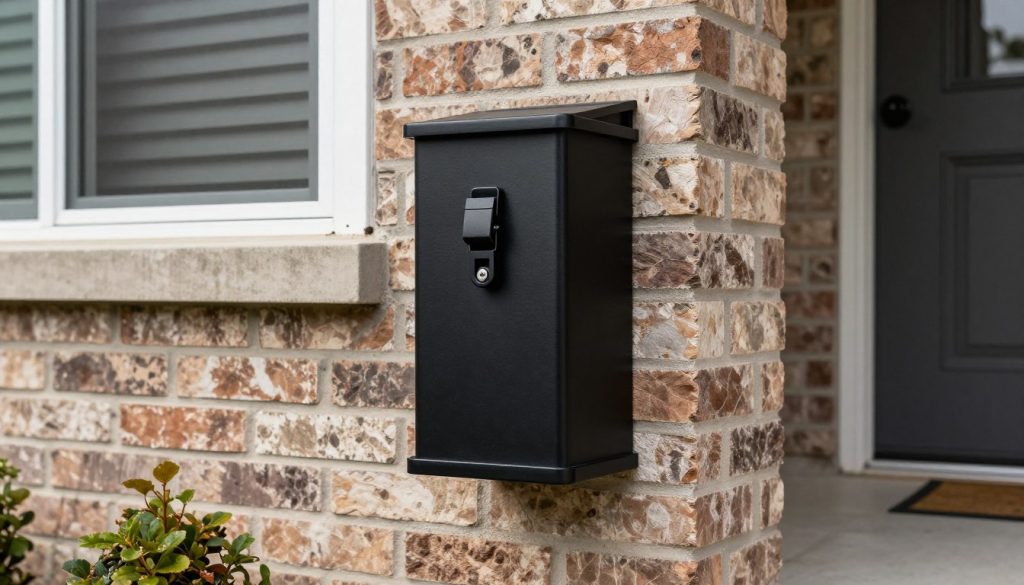
Professional-grade rodent bait stations offer a secure way to deliver rodenticides while protecting your family and pets. These devices act as a fortress for poison, ensuring it remains effective against pests. Using specialized stations helps you follow safety standards for residential use while keeping the bait fresh.
How the Enclosures Function
These systems function as protective enclosures that hold toxic materials securely. A bait station allows pests to enter and feed while keeping out children and non-target wildlife. Inside the unit, the rodenticide stays dry and remains palatable for a much longer time than open applications.
Sizing for Rats and Mice
Selecting the right size for your equipment is vital for success. A rat requires a larger entry hole and more internal space than a mouse. Therefore, using a small mouse unit for a rat will not work. Matching your bait station to the specific target species ensures the pests can actually enter and consume the product.
Optimal Placement Strategies
Position bait stations along walls where you see signs of pest activity. Indoors, place stations behind large appliances or in quiet attic spaces. For exterior protection, install rodent bait stations every 15 to 30 feet along the foundation. Always secure the bait station to the ground to keep it from moving.
Advanced Safety Mechanisms
High-quality bait stations use locking mechanisms that require a special key to open. They also feature internal rods that keep the bait from falling out or being dragged away. These bait stations protect the toxin from rain and dirt to maintain high quality. Using these tools is the safest way to handle a rat infestation near homes.
Rodent Baits and Poison: Professional-Grade Products
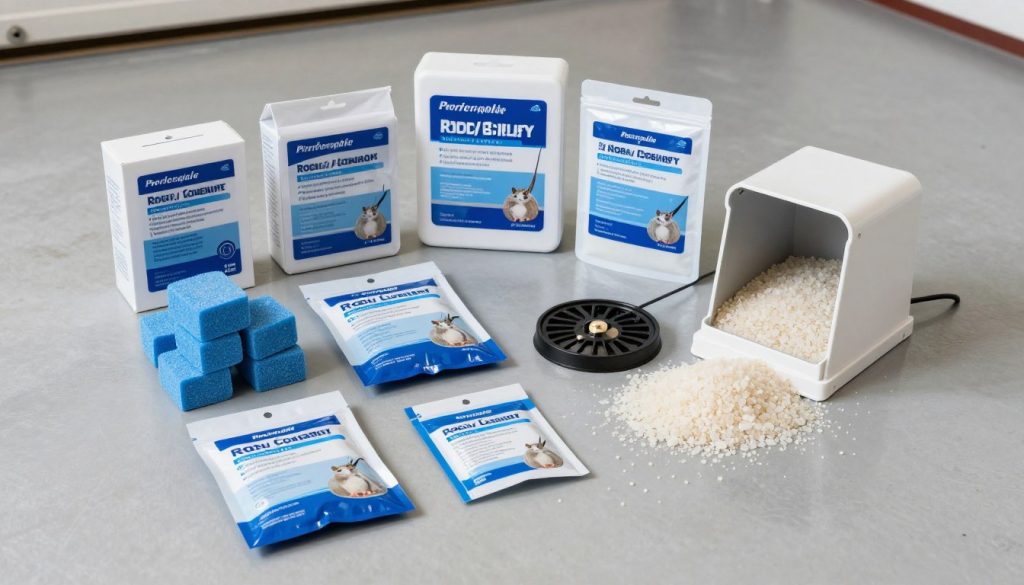
Professional control products offer a level of effectiveness that standard retail options often lack. These specialized items feature higher potency and better palatability to ensure rodents choose them over other food sources. Using professional products helps you manage infestations more reliably.
Types of Bait Formulations: Pellets, Blox, and Cakes
Choosing the right rodent bait depends on your specific environment and the target pest. Pellets work well for easy consumption, while weather-resistant cakes and blox are ideal for damp areas.
Soft packs fit into tight spaces where traditional blocks might not reach. A liquid bait provides a vital solution in arid environments where water is scarce.
Food-Grade Ingredients That Attract Rodents
A high-quality rodent bait uses a blend of grains, seeds, and oils. These food-grade ingredients make the bait more attractive than the crumbs found in your pantry.
Safe Use Around Children and Pets
Safe use around your family is the top priority when handling toxic materials. Always place rodenticide inside tamper-resistant stations to ensure products safe use in a residential setting.
Keep these stations in areas completely inaccessible to curious hands or paws. Responsible use around the home requires following every label instruction exactly as written. Constant monitoring ensures safe use around the house.
Indoor vs Outdoor Bait Applications
Experts prefer outdoor bait applications to intercept pests before they enter your home. This strategy reduces the risk of rodents dying inside wall voids where they cause foul odors. Always maintain safe use practices when placing items near the perimeter.
When you need indoor control products, use them sparingly in sealed crawlspaces or under heavy appliances. Professional products safe use involve monitoring these areas closely to remove any dead pests quickly. Proper use around the property is key to success.
Snap Traps for Rats and Mice

Using snap traps for rodent control remains a top choice for professionals and DIY enthusiasts alike. These tools help you get rid of pests quickly without the use of toxic chemicals. These mechanical traps provide immediate confirmation of a successful capture.
Traditional Mechanical Mechanisms
Traditional designs utilize a heavy spring-loaded bar to deliver a quick, humane kill upon contact. You must select a rat sized device for larger pests and a mice specific model for smaller house invaders. This simple trap design is still the most reliable mechanical method available for homeowners.
Modern Enclosed Safety Designs
Many modern mouse traps now feature a protective plastic outer shell that houses the internal mechanism. This design prevents children or pets from accidentally triggering the internal traps during use. By using these traps, rodent disposal becomes a cleaner, touch-free process that reduces user anxiety.
Proper Placement Along Travel Routes
Set your mouse traps along the baseboards where pests naturally travel during the night. Position each trap perpendicular to the wall so the trigger end directly faces the wood. Spacing several traps every two to three feet ensures you intercept rats before they can bypass your defenses.
Effective Baiting Techniques
High-protein lures like peanut butter or bacon work exceptionally well in mouse traps to attract the rat. Always deploy these traps, rodent activity is often highest in quiet areas like pantries or crawlspaces. Wearing gloves during setup prevents your scent from scaring the mice away from the bait pedal.
Check your traps every morning to remove any captured pests and reset the bars. Reusing these sturdy traps is an affordable way to manage a growing home infestation. Using high-quality traps ensures that no rats can escape your elimination steps. These reliable traps help maintain a safe, pest-free environment for your whole family.
Electronic Traps: Battery-Powered Elimination
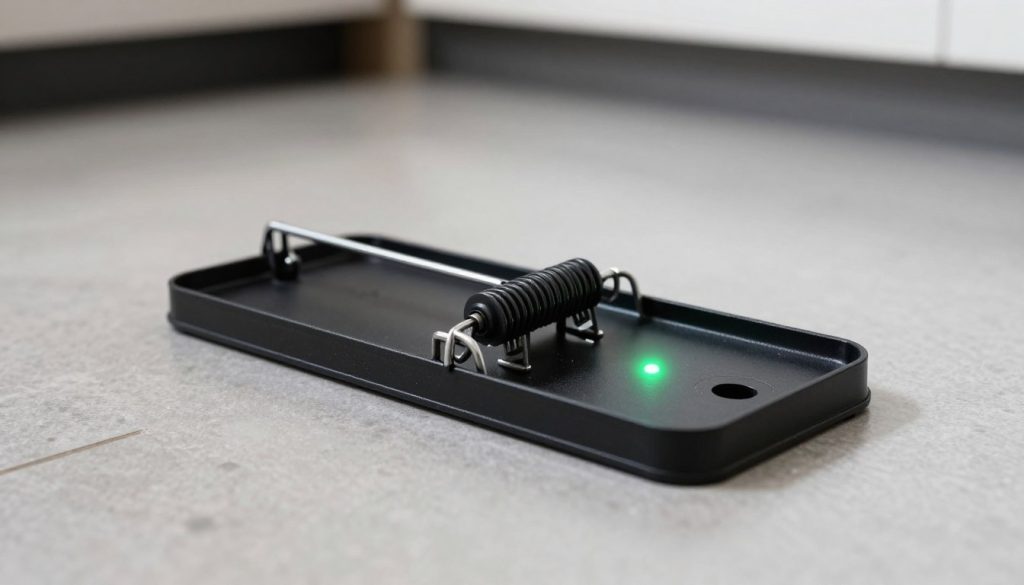
Electronic traps rodent specialists often recommend represent the cutting edge of domestic pest management. These devices use advanced battery power to eliminate pests without the mess of traditional methods. They provide a high-tech solution for homeowners who value cleanliness and efficiency.
How Electronic Traps Deliver Quick Kills
These traps function by detecting when a pest enters the internal chamber using sensitive metal plates. Once the animal is inside, the device delivers a high-voltage electric shock. This battery-powered mechanism ensures death is more consistent than what you find with mechanical traps.
Professional users prefer this technology because it is highly humane. Death occurs in mere seconds, requiring no physical striking or crushing. This quick resolution reduces animal suffering compared to slower methods like glue boards or a standard trap.
Rat vs Mouse Electronic Trap Models
A rat requires a model with a larger entry tunnel and a much higher voltage capacity. These traps rodent professionals deploy feature interior spaces designed specifically for heavier animals. This ensures the sensors trigger correctly to eliminate a rat every time.
In contrast, a mouse design is more compact and features sensors tuned for lighter body masses. Many mouse electronic traps also include indicator lights or alarms. These signals tell you when a catch has occurred without the need for a visual inspection.
These modern traps are reusable and feature hands-free disposal mechanisms. You simply tip the device to let the pest slide into the bin. They provide consistent performance in indoor environments where checking traps frequently might be impractical.
Glue Traps and Adhesive Boards
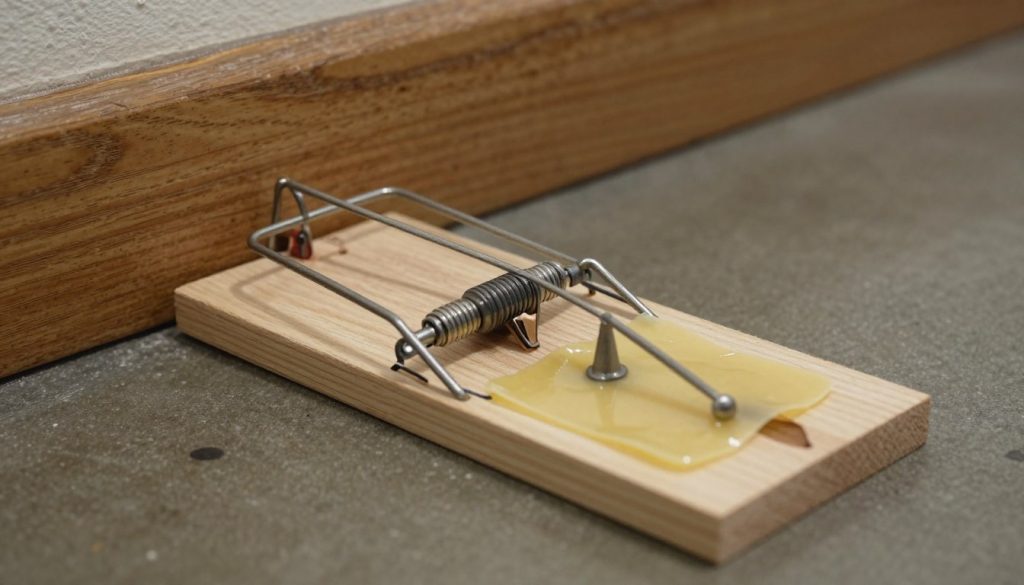
Adhesive boards use a specialized tacky surface to immobilize rodents as they scurry along your baseboards. These glue traps are trays coated with strong glue. These surfaces catch rodents upon contact to prevent escape by sticking to their fur and feet.
Placement for Maximum Effectiveness
Position these traps flush against walls in high-traffic corridors. You can fold many into tunnel shapes for targeted pathways. Secure the glue to the floor to prevent pests from dragging the board away.
Use multiple traps in areas showing heavy activity. This helps you identify exactly where pests move throughout your home.
Considerations and Limitations
These glue traps help monitor new infestations and identify entry points. They work well in food-handling areas where regulations ban toxic baits. However, the glue can cause significant animal suffering before death occurs.
Professionals suggest learning how to use glue traps and correctly to minimize risks. The glue can also capture non-target wildlife or household pets. Use other traps for a faster, more humane solution in your living spaces.
When you use them, spray the rodent with disinfectant and seal the glue traps in a plastic bag. Some regions restrict the sale of glue traps due to welfare concerns. Always dispose of the used glue and traps according to your local sanitation laws.
Live Catch Traps: Humane Rodent Control
A high-quality, professional photograph of a transparent plastic live-catch mouse trap placed against a clean white baseboard, showing a small amount of peanut butter bait inside, soft natural indoor lighting, 4k resolution.
Many property owners choose humane live catch mouse traps to remove intruders without causing them physical harm. These catch-and-release systems serve as a primary tool for rodent control in eco-conscious households. Using a live trap allows you to capture the animal safely and maintain control over your living space.
Single-Catch vs Multiple-Catch Designs
Single-catch devices feature specialized trigger plates and spring-loaded doors that close once a rodent enters. These traps rodent individuals humanely, ensuring they remain uninjured until you can release them. This design works best for small, isolated problems where you only expect one visitor at a time.
Multiple-catch traps utilize one-way doors or see-saw mechanisms to gather several mice into a single chamber. This approach offers a higher level of rodent control for those dealing with larger populations in garages or basements. These durable traps allow you to keep control of a heavy infestation without resetting the device after every capture.
Proper Release and Legal Considerations
- Bait your device with peanut butter or seeds and check it every few hours to minimize animal stress.
- Relocate rodents several miles away from your home, or these traps rodent captures will simply return to your structure.
- Consult local wildlife regulations before release, as some jurisdictions prohibit relocation to prevent the spread of disease.
- The CDC warns that stressed rodents often urinate, so use extreme caution and wear gloves to maintain sanitary control.
- If local laws prohibit release, consult a veterinarian for approved, humane euthanasia methods to avoid unnecessary suffering.
Rodent Repellents and Natural Deterrents
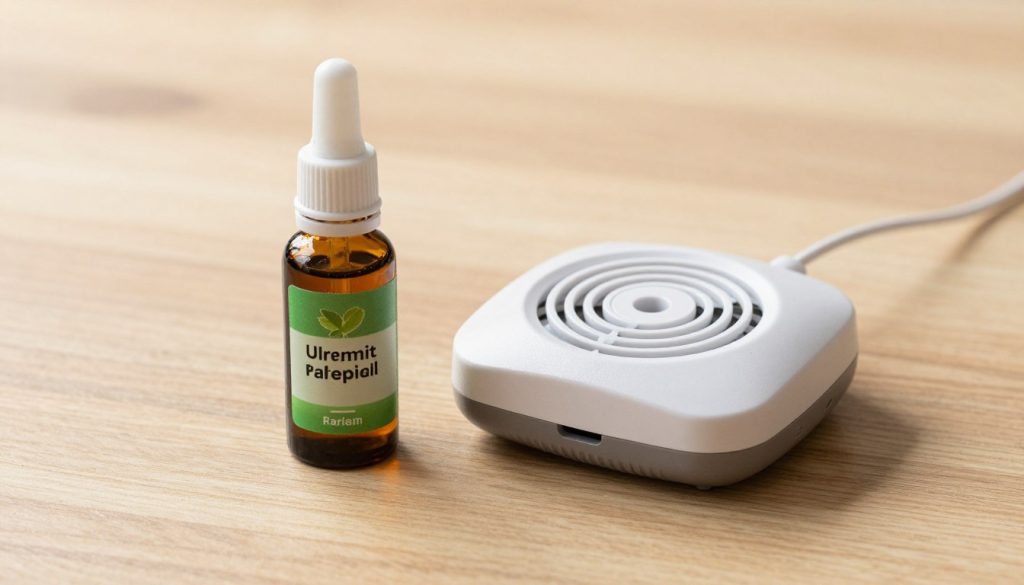
Homeowners often prefer to use natural methods to keep a rodent or other pest out of their living spaces. These products promise a clean way to deter unwelcome visitors without using traps or poisons. Using a rodent repellent is a common first step for many families seeking a non-toxic home environment.
Peppermint Oil and Natural Solutions
One popular choice involves peppermint oil. You can use natural peppermint oil by soaking cotton balls or using sprays to irritate the nose of a pest. Using peppermint oil requires constant application because the strong scent fades quickly in open air.
Other DIY options include ammonia-soaked rags, mothballs, or spicy cayenne pepper. These items attempt to use natural scents to drive a rodent away from specific nesting areas. Because these odors dissipate, you must use natural peppermint oil extracts daily to maintain any potential effect.
Ultrasonic Devices That Emit Sound Waves
High-tech devices emit high-frequency sound waves to create an uncomfortable environment for mice and rats. These sound waves are above the human hearing range but intended to bother small animals. Electronic devices emit pulses that theoretically drive them out of your home.
However, these sound waves cannot pass through walls or heavy furniture, which limits their reach. Many homeowners find that devices emit signals that are simply too weak for large, cluttered rooms. This technology often fails to reach pests hiding deep inside floor joists or wall cavities.
Effectiveness and Limitations of Repellents
While a rodent repellent might offer a quick fix, it has clear limits. A rodent quickly gets used to the smell of peppermint oil or the noise from electronic tools. Hungry pests will often ignore the discomfort to reach food or nesting materials.
Experts suggest you use natural deterrents only as a supplement to professional sealing and trapping. Relying on a rodent repellent alone often gives a false sense of security that delays real solutions. Be skeptical of marketing claims that promise effortless results without proper sanitation and exclusion.
Rodent Lures and Attractants for Traps
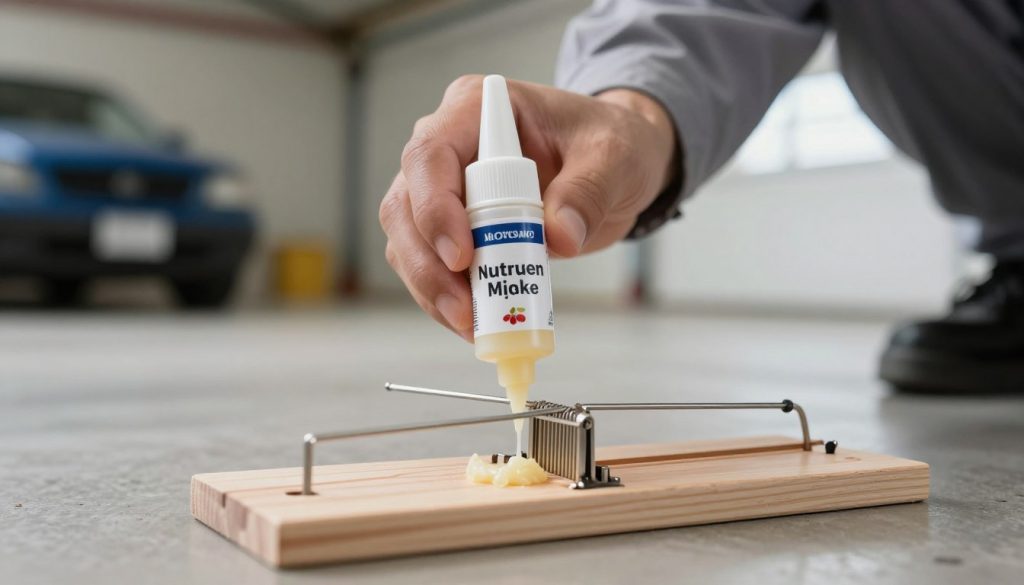
Mastering the use of specialized rodent lure attractants is the secret to clearing out stubborn infestations quickly. Using a lure with your traps makes them much more enticing to nearby pests. These products draw rodents toward your setup by mimicking their favorite natural food sources.
Professional formulations create powerful olfactory signals that outperform competing food sources in the environment. These concentrates act as a magnetic pull for pests. By drawing them from harboring areas, you can effectively clear a space in half the time.
Paste Attractants for Enhanced Trap Success
Commercial paste formulations combine food-grade oils and proteins to create powerful scents. You should apply a small amount to the trigger so a rat or mouse must engage the device. These lures stay fresh longer than household food and do not spoil or mold easily.
Ingredients like peanut butter and bacon trigger intense feeding behaviors. Place these lures near entry points to stop a rat as it first enters your home. Refreshing the bait regularly ensures the scent remains strong enough for every mouse to find.
Superior bait increases success by outperforming other available food sources. Always pair your traps with these professional scents to maximize effectiveness. High-quality bait ensures that you catch pests on the first try while using standard traps.
Professional Rodent Control Services
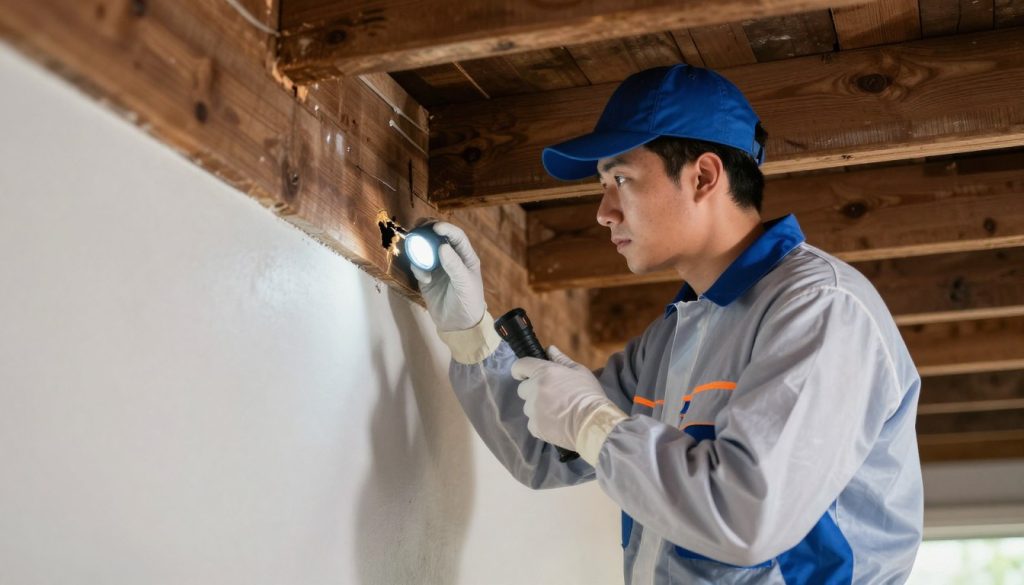
Navigating a heavy infestation requires the precision and experience of a licensed pest professional. Experts offer a level of protection that consumer-grade products simply cannot match. They provide long-term relief from stubborn colonies that threaten your home through professional pest control.
When to Call a Licensed Exterminator
You should transition from DIY efforts to professional rodent control when infestations cover multiple areas of the property. Repeated failures with store-bought traps often signal a larger population than you suspect. This level of control requires specialized knowledge and heavy-duty tools.
If you see evidence of large rat populations or significant structural damage, it is time for professional pest control. Expert rat control is also vital if health concerns require a very rapid resolution. Professionals help you get rid of the problem quickly and safely.
What Professional Services Include
Licensed exterminators perform thorough property inspections to identify every entry point and harboring area. They develop a customized treatment plan for effective rat control in your specific space. These experts use commercial-grade products to maintain high-level pest management.
Professional exclusion services seal complex entry points with specialized materials like metal mesh. Ongoing monitoring programs ensure the pest control remains effective through every season. This ensures superior rodent control compared to basic home methods.
Integrated Pest Management Approaches
Modern pest control relies on Integrated Pest Management (IPM). This environmentally sensitive approach focuses on long-term solutions using common-sense practices and lifecycle data. Professionals prioritize prevention and exclusion over simple chemical treatments to maintain control.
Look for a pest team certified by programs like Ecowise or GreenShield. These certifications show they use sustainable methods for rat control. They minimize pest chemicals to keep the rodent control safe for your family and the environment.
Finally, consistent control involves monitoring and seasonal adjustments to your strategy. A pest professional offers a comprehensive pest control plan to prevent future invasions. This specialized rat control protects your property value while maintaining total control.
Complete Rodent Control Kits and All-in-One Solutions

For homeowners facing a sudden infestation, all-in-one rodent control kits offer a simplified and effective path to success. These rodent control products bundle essential tools together to stop mice and rats quickly. You can address the problem immediately without researching dozens of different individual items.
Professional-grade rodent control products ensure that you have the same quality of equipment as a licensed exterminator. These control products include everything from traps to specialized lures. Using these products helps you create a comprehensive defense around your property.
Many people find that using pre-packaged rodent control products eliminates common mistakes in product selection. These control products are designed to work together for maximum efficiency. You can start your treatment plan the moment the package arrives at your door.
Bait and Bait Station Combination Kits
Bundled kits usually feature high-quality bait stations paired with highly attractive bait. These stations provide a safe environment for the bait while protecting children and pets from accidental contact. Using these rodent control products ensures the bait remains fresh and appealing to pests.
The bait included in these control products uses professional formulas that rodents cannot resist. These products are often species-specific, ensuring you have the right size equipment for your specific problem. Most stations come with locking mechanisms to keep the bait securely inside.
Choosing these rodent control products provides a heavy-duty solution for both indoor and outdoor areas. Manufacturers match the products for perfect compatibility, which saves you time during setup. You simply place the stations and let the professional-grade products do the hard work.
Cost Savings of Complete Kits
Purchasing complete rodent control products in a bundle is often much cheaper than buying them separately. Manufacturers offer lower prices for these control products when they are sold as a unit. This makes these products a great investment for long-term pest management.
You can also find helpful control videos that demonstrate exactly how to deploy these specific kits. These videos show you how to use the rodent control products for the best results in a residential setting. Following the advice in these products’ instructions ensures you get the most value for your money.
Many kits also serve as a starter pack that you can expand later with refill products. Investing in these rodent control products now prevents the high costs of future property damage. These control products are the smartest way to protect your home and your wallet simultaneously.
Safe Disposal and Cleanup After Rodent Elimination
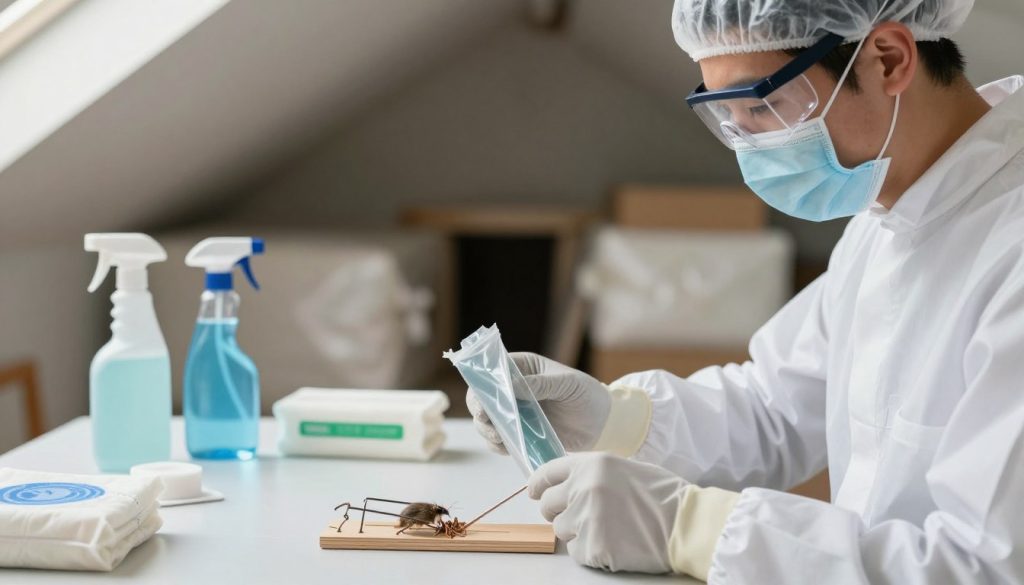
Securing your home from rodents doesn’t end when the traps snap; the cleanup phase is vital for safety. Proper disposal protocols are critical because dead rodents and their nests harbor pathogens like hantavirus and leptospirosis. These infectious agents remain active even after the immediate threat has passed.
Proper Handling of Dead Rodents
Always wear disposable gloves and a respirator to protect yourself from airborne particles. Before moving anything, spray the dead rodent and any nesting material with an EPA-registered disinfectant. This limits the spread of germs during the removal process.
- Allow the disinfectant solution to soak for 5 minutes before handling materials.
- Use paper towels to pick up the carcass to maintain distance.
- Place all waste into a secure plastic bag and seal it tightly.
- Insert that bag into a second plastic bag along with your used gloves and cleaning tools.
Disinfection and Sanitation Protocols
Once you have removed the waste, you must treat all affected areas to ensure total safety. Spray all surfaces where pests traveled with a bleach solution or high-quality sanitizer. This step is essential for effective integrated control and long-term hygiene.
| Cleanup Item | Required Action | Safety Goal |
|---|---|---|
| Dead Rodent | 5-Minute Soak | Kill Surface Pathogens |
| Nesting Material | Double Bagging | Contain Biohazards |
| Cleaning Tools | Secure Disposal | Prevent Cross-Contamination |
Preventing Disease Transmission
Never sweep or vacuum droppings, as this creates aerosols that are dangerous to breathe. Instead, always wet the materials first to keep the dust down. This practice is a standard part of professional pest control procedures.
Wash your hands thoroughly with soap and water immediately after finishing the cleanup. If you find heavy contamination in attics, consider professional services for extensive control work. Staying vigilant helps maintain a healthy environment after a rodent problem is solved.
Conclusion: Effective Rodent Control Through Prevention and Elimination
Using effective rodent control is the best way to protect your home. This pest control method uses exclusion and cleaning. You must take control quickly because a single rodent breeds fast.
The main part of effective rodent control is sealing holes with metal mesh. This gives you long-term control over entry points. Use this with rodent control baits to stay safe.
A rodent needs food, so remove crumbs for better control. For best results, use effective rodent control kits. These include pest control stations and indoor traps.
Having control over your tools is key. If a rodent gets inside, use control measures like snap traps.
Sustaining effective rodent control requires seasonal checks. This pest control habit helps you keep control of your property.
Always watch for a rodent sign to maintain control. Effective rodent control keeps your family healthy. Take control today.