
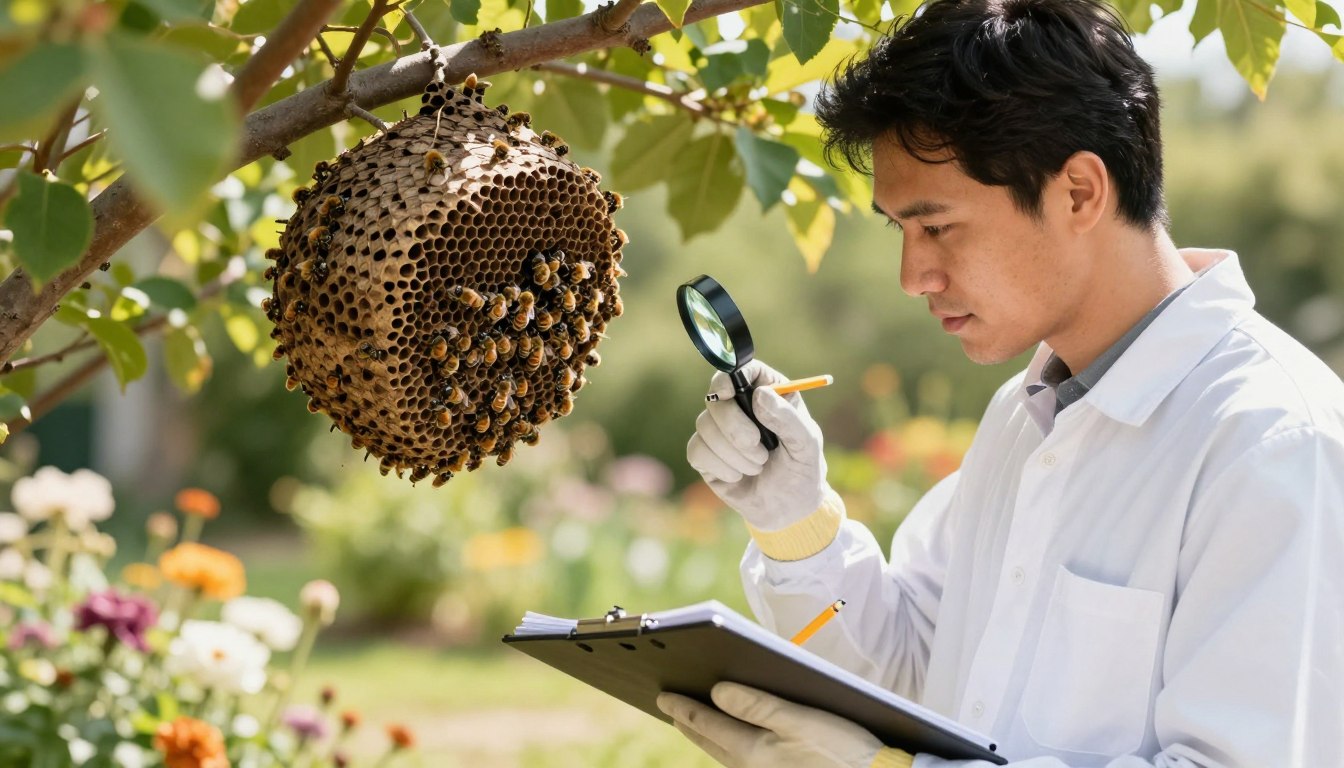
Have you ever heard a loud buzzing near your porch and wondered if one sting could ruin your family’s weekend? Finding an active nest at your home often creates immediate stress and limits how you enjoy your backyard. Effective bee control starts with knowing exactly what kind of winged visitor has claimed your property.
Identifying the difference between bees and wasps is vital for the safety of your family. These insects can cause structural damage by nesting in walls, while their stings pose risks to children and pets. Understanding these unique behaviors is the first step toward a safe solution.
While some homeowners try DIY methods, a professional pest control service ensures the job is done right. A qualified expert provides the necessary skills to protect your home from long-term threats. This guide will help you identify species and recognize when a situation becomes dangerous.
Key Takeaways
- Correct identification is the foundation of safe nest management and family safety.
- Stinging insects present significant health risks to children and allergy sufferers.
- Nests located inside walls or eaves can cause expensive structural damage if ignored.
- Discovering an infestation often causes high anxiety and disrupts routine outdoor activities.
- Professional services offer the specialized equipment needed for complete and safe removal.
- Expert knowledge helps homeowners distinguish between beneficial pollinators and aggressive pests.
Understanding the Difference Between Bees and Wasps
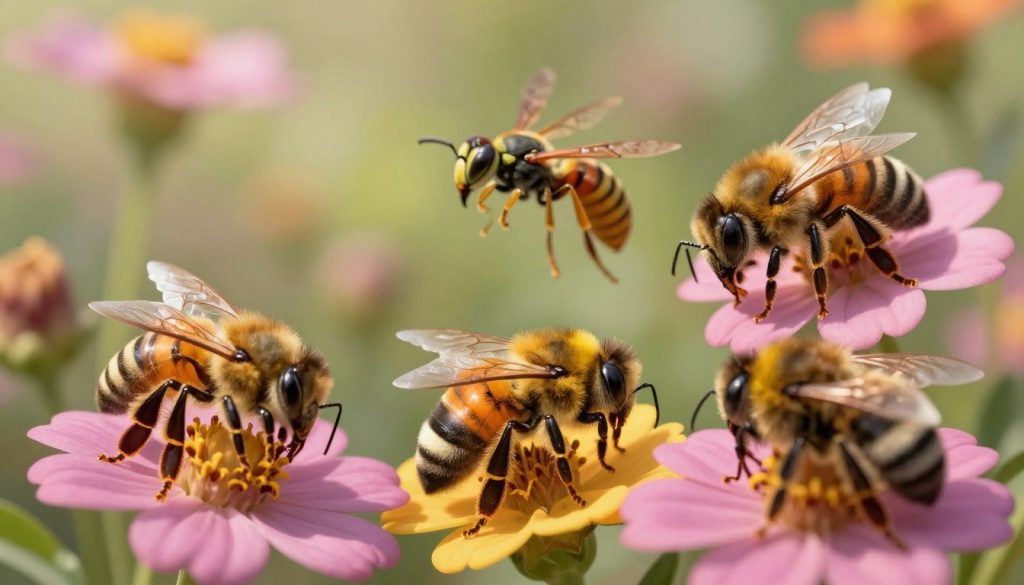
Many people confuse these two stinging insects, but their physical traits and habits vary a lot. Bees live globally with more than 20,000 recorded species. A bee typically has a fuzzy body that collects pollen, appearing golden-brown or amber. In contrast, wasps look sleek and smooth with a distinct, narrow waist.
Understanding these types is vital for effective pest control. This bee acts as a non-aggressive pollinator that sips nectar with tongue-like organs. These flyers hunt other bugs and seek human food sources like proteins and sweets. Because many colonies benefit from environmental protection, they often require relocation by experts.
The bees fulfill different ecological roles in your garden. These fuzzy flyers provide critical pollination for agriculture and natural ecosystems. Meanwhile, predatory hunters serve as natural managers by hunting garden intruders.
| Comparison | Bees | Wasps |
|---|---|---|
| Body Texture | Hairy and Fuzzy | Smooth and Sleek |
| Primary Diet | Nectar and Pollen | Insects and Sweets |
| Waist Shape | Thick and Robust | Thin and Narrow |
Accurate identification helps homeowners decide on the right action. Observing flight patterns provides clear clues before you contact professional services. Identifying the specific bees ensures safety for your family and the environment.
Common Stinging Insect Species Around Your Home
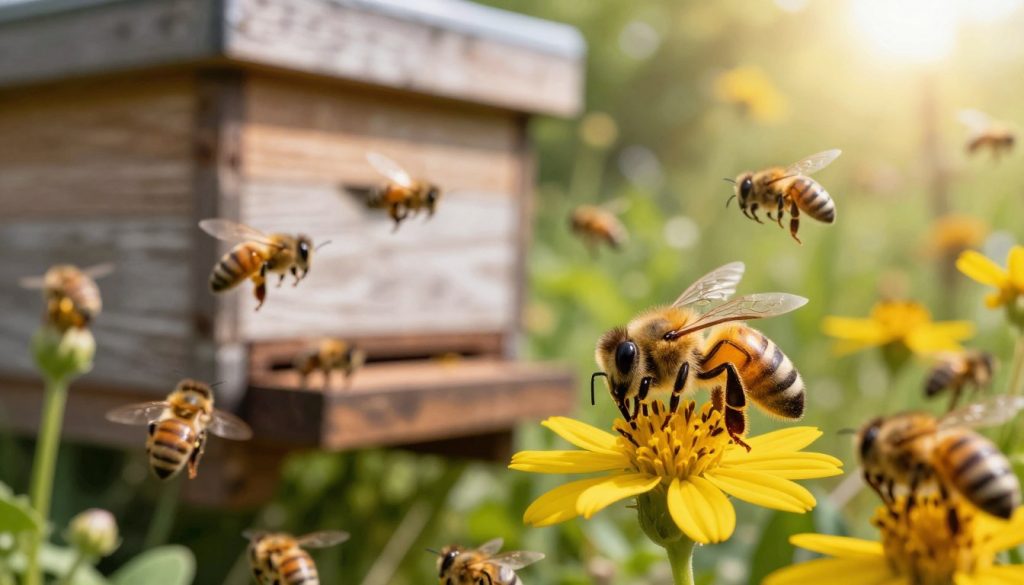
A wide variety of stinging insect species can establish nests around your home throughout the warmer months. Identifying these pests is the first step toward effective management and safety for your family. Many different bees and wasps share our environment, but their nesting habits and temperaments vary significantly.
Honey Bees and Their Colonies
Honey bees live in highly organized social structures. A single colony often contains 20,000 to 80,000 individuals. The queen lays up to 2,000 eggs daily to sustain the hive and its future. Workers spend their short lives collecting nectar while drones focus solely on reproduction. These perennial colonies produce honey and can survive for many years in one location. Relocation by a professional is often preferred over extermination for these valuable pollinators.
Carpenter Bees and Wood Damage
A carpenter bee resembles a bumble bee but has a shiny, hairless abdomen. This solitary bee drills perfectly round, half-inch holes into wooden structures. They create long galleries inside siding, deck posts, and eaves. Over time, this carpenter activity causes significant structural damage to your property. Repeated infestations can weaken the wood in your home if you leave them untreated for several seasons.
Bumble Bees and Ground Nests
Bumble bees are famous for their fuzzy yellow and black bodies. These social insects form smaller colonies of 50 to 400 individuals. They typically build nests in abandoned rodent burrows or thick compost piles. While this bee species is usually docile, they will defend their ground nests if you accidentally step near them. Their presence is generally beneficial for garden pollination and local ecosystems.
Yellowjackets, Hornets, and Paper Wasps
Yellowjackets and hornets are common wasps found near residential properties. Yellowjackets are aggressive and build paper nests in wall voids or underground. Hornets create large, enclosed nests in trees, while paper wasps make open-comb nests under eaves. Most of these colonies die in the fall. Only a fertilized queen survives the winter to start a new nest in the spring. Observing these bees and wasps helps determine the right removal plan.
- Honey Bees: Hairy bodies, perennial hives, produce honey.
- Carpenter Bees: Shiny abdomens, drill holes in wood, solitary.
- Bumble Bees: Fuzzy appearance, ground nesters, small colonies.
- Yellowjackets: Bright yellow/black, very aggressive, smooth bodies.
- Paper Wasps: Slender bodies, umbrella-shaped nests, long legs.
How to Identify Nests and Understand Infestation Patterns
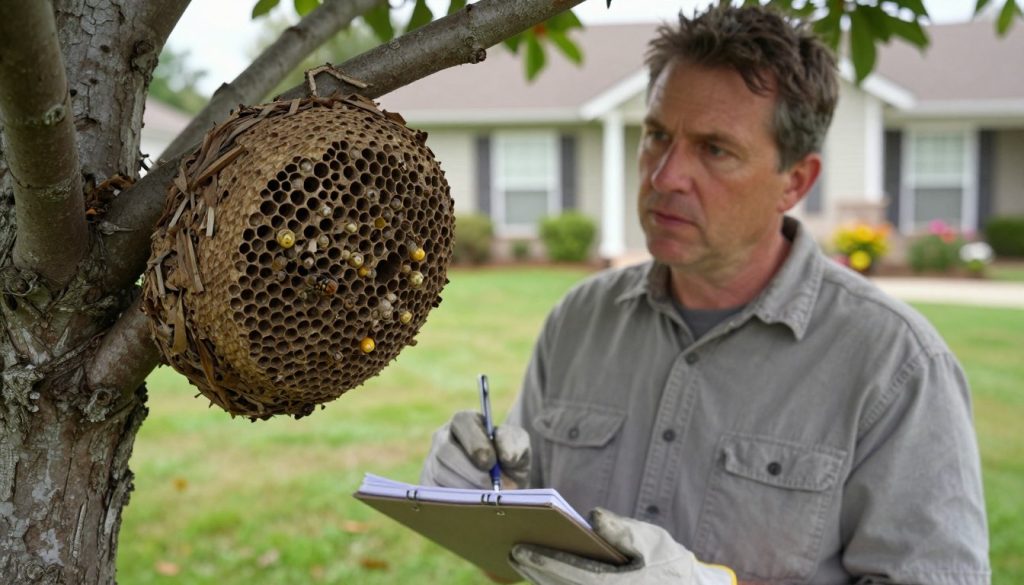
Identifying the specific architecture and structural layout of a nest helps determine the level of risk on your property. A thorough inspection involves checking common areas like decks, railings, and mulch beds for signs of activity. While some colonies die off in the winter, an attractive nesting site often draws new queens the following spring.
Bee Nest Locations and Characteristics
Honey bee colonies build distinctive wax structures inside hollow trees or wall cavities. This enclosed location allows the hive to survive through various seasons by maintaining a steady internal temperature. You can often find a carpenter bee nest by looking for perfectly round entrance holes in wooden surfaces.
A solitary bee creates these tunnels, while other bees might look for nearby soft wood. Social bees live in larger groups and prefer protected spaces like attics or chimneys. Looking for yellow-brown staining below these holes can confirm that the colony is currently active.
Wasp and Hornet Nest Identification
Wasps like yellowjackets often build underground structures in old rodent burrows or wall voids. You will see heavy traffic of these insects flying low to the ground near a specific opening. These wasps are very protective of their paper nests and will defend them if disturbed.
Hornets create large, gray paper structures that typically hang from tree branches or eaves. These football-shaped homes can grow as large as basketballs by the end of the summer season. Paper varieties also build open-comb, umbrella-shaped structures under porch railings and shutters.
Signs of Active Infestation on Your Property
A stinging pest infestation is usually easiest to spot between July and October when colonies are largest. Watch for a specific species repeatedly visiting the same location on your home or yard. A single bee or wasp flying into a hole in the ground often signals a much larger group below.
Listen for faint buzzing sounds coming from inside your walls or ceilings during warm daylight hours. Systematic inspections should focus on building perimeters and checking all cracks in your siding. Finding multiple entrance holes in wood or soil indicates you should seek professional help immediately.
| Species Type | Typical Nest Location | Visual Appearance |
|---|---|---|
| Honey Bee | Hollow Trees & Walls | Distinctive Wax Combs |
| Carpenter Bee | Wooden Decks & Trim | Round Entry Holes |
| Yellowjacket | Ground Burrows & Voids | Paper/Hidden Entrance |
| Hornet | Tree Branches & Eaves | Gray Football Shape |
| Paper Wasp | Railings & Shutters | Open Umbrella Comb |
Critical Safety Concerns and Why DIY Approaches Fail
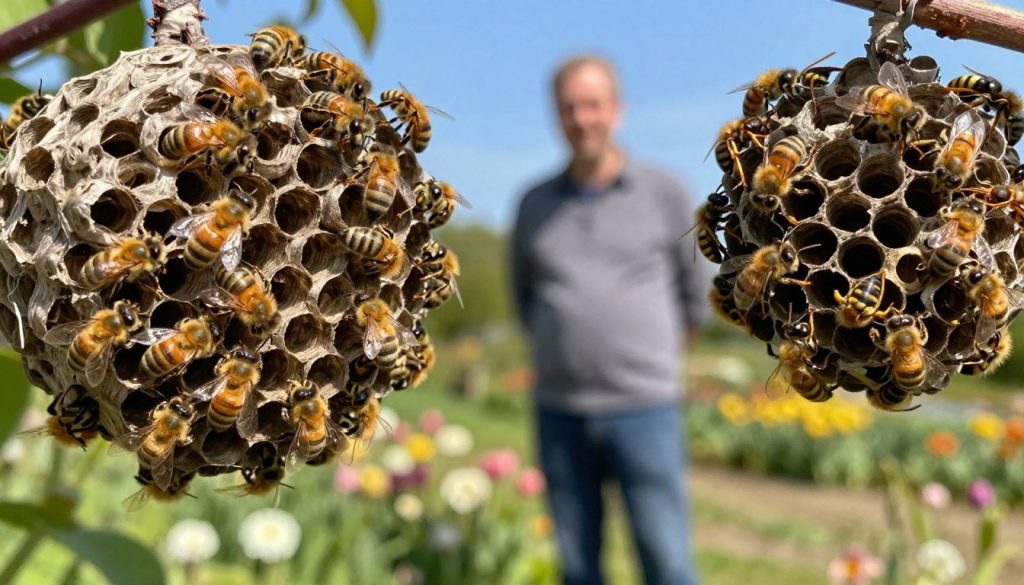
Many people think a quick spray from a hardware store will solve their stinging insect problem, but the reality is much more hazardous. Handling these aggressive pests without the right gear puts your entire family at risk. Choosing professional pest control over DIY methods ensures the job is done safely.
Attempting to remove a nest from your house can go wrong in a way you never expected. Stinging insects are highly protective of their nests. Without expert control, you might end up with an angry swarm inside your living space.
Hardware store products often fail against established groups because they only kill insects on the surface. Hundreds of defenders remain deep inside the structure. These survivors become highly defensive and remain alert for several days after an attack.
Never Plug or Spray Nest Entrances
A common mistake is sealing the entry point of a nest to trap the insects inside. This creates a desperate situation where trapped wasps will chew through building materials. They can easily penetrate drywall and even plaster to find a new exit.
When the main hole is blocked, they will find another way into your home. They often emerge through light fixtures, bathroom vents, or electrical outlets. A simple bee spray cannot reach the core of the nest, leading to a dangerous infestation inside your bedrooms or kitchen.
Underground Colonies and Mowing Dangers
Underground colonies are invisible until someone accidentally disturbs them. Homeowners often face these pests during the day while mowing the lawn or weed-whacking. The vibration from the equipment triggers an immediate and massive defensive response from the ground.
Yellowjackets do not sleep at night, making 24-hour safety a major concern for any DIY attempt. They respond quickly to movement, shadows, and even artificial light from flashlights. Professional bee management is the only reliable path to keep your yard safe from these hidden threats.
| Action Taken | Risk Level | Likely Outcome | Safety Impact |
|---|---|---|---|
| DIY Aerosol Spray | High | Partial nest survival | Aggressive insects left behind |
| Plugging Entrance | Extreme | Insects enter home | Indoor stinging hazard |
| Mowing Near Nest | Very High | Mass defensive attack | Multiple stings to operator |
| Nighttime DIY | High | Light-triggered attack | Reduced visibility and safety |
Professional Bee Control and Wasp Removal Services
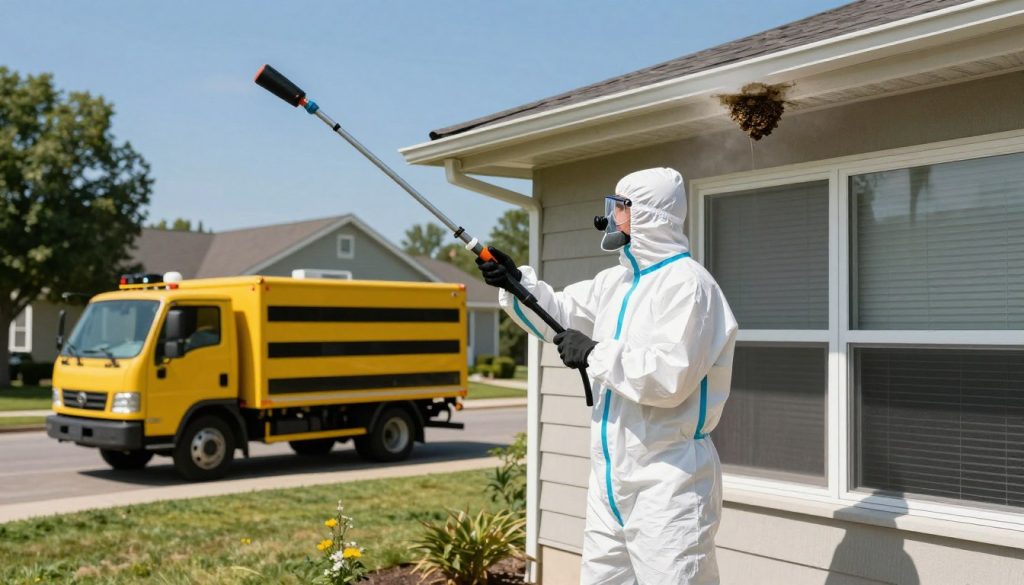
Choosing a professional bee control and wasp removal service ensures your home remains a safe haven for your family.
Our expert team focuses on long-term solutions that protect your property from a difficult bee situation.
We offer a free estimate to help every customer understand the required pest control steps for their specific needs.
Stinging insect threats require more than a simple spray.
Our licensed pest control team identifies the root cause of every infestation.
We provide high-quality insect management to keep your yard safe all season long.
Our Four-Step Inspection and Treatment Process
We start with a full inspection of your property to find current nests and past pest issues.
Our specialists look for carpenter bees, yellowjackets, and hornets in areas like soffits, fascia, and mulch beds.
Identifying these vulnerable locations allows us to develop a customized plan for your home.
Next, we apply Integrated Pest Management (IPM) materials to cracks, crevices, and decks.
This professional service uses pet-friendly, non-staining products to ensure your family remains safe during the initial treatment.
We focus on precision application rather than broad spraying for better results.
Depending on your chosen prevention service, we provide a warranty for any new nest construction through the end of the year.
Every application strictly follows all state Department of Agriculture and federal regulations.
This compliance ensures that your property receives the highest standard of legal and effective care.
Specialized Equipment and IPM Techniques
Our specialized bee trucks use extended-reach systems to access high rooflines and peaks.
This allows our team to reach gutters, shutters, and overhangs where bees often hide.
Homeowners can avoid dangerous ladders while we handle the height with professional tools.
We also prioritize honey bee relocation by working with local beekeepers whenever live removal is possible.
IPM techniques focus on finding the core pest concern and managing it from the source.
We always provide a transparent estimate that reflects the best value for your specific pest situation.
Our goal is to provide a high-quality customer experience while using reliable pest control methods.
These services combine modern science with specialized tools to eliminate stinging pests at their origin.
By choosing professional help, you ensure that every insect problem is handled with the utmost care for the environment.
Comprehensive Stinging Insect Prevention Programs
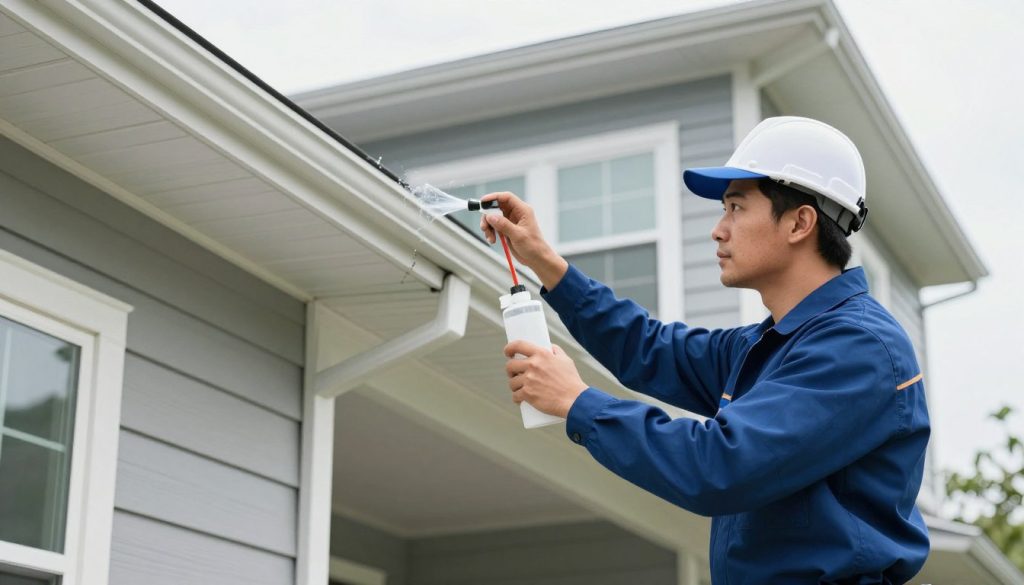
A comprehensive stinging insect prevention program offers the most effective defense against seasonal pests. This strategy helps keep home areas safe before a massive infestation hits your property. Using a professional service ensures your family remains protected from painful stings.
Our team provides tiered services like Platinum, Gold, or Silver plans to fit your specific needs. These options use long-lasting materials to create a strong barrier around your entire structure. This method protects the cracks and crevices where insects often hide during the warmer months.
It is much better to stop a problem early than to get rid of a mature nest later. Our bee control experts provide a specialized bee treatment today to secure your home. Technicians use the right tools to reach every spot where wasps might hide and build colonies.
Year-Round Protection with Warranty Coverage
Our year-round protection breaks the annual pest cycle around home walls and rooflines. We target queen wasps in early spring before they can build new nests. This proactive method stops the problem before it even begins to threaten your family.
This proactive service ensures that bees do not find a way into your attic or wall voids. Every customer receives a satisfaction guarantee that includes free follow-up work if any issues arise. If a nest appears, we return at no extra cost to solve the problem.
Our programs have protected local families for years with great success and consistent results. Choose our premium help today to keep home life peaceful and stinger-free. This approach offers better value than trying to get rid of active bees around home later. Secure your home and enjoy your yard all summer long.
Conclusion
Managing stinging pests near your home involves a careful balance of safety and proper identification. Distinguishing between honey bees and aggressive wasps is vital. Each bee species requires a specific control strategy to ensure total removal and protect the honey queen.
Attempting to get rid of a hive or bee nest yourself often leads to dangerous stings. Professional pest control teams use years of experience and specialized gear to protect your house every day. Even with protective veils, aggressive wasps can find weak spots, making DIY attempts a dangerous way to solve the problem.
Experts manage everything from carpenter bees to bumble bees effectively. They also handle wildlife concerns by relocating honey bees to help the queen and protect the honey. This preserves nectar and honey while preventing carpenter damage and protecting existing colonies.
Effective bee control service identifies every problem location on your property. This proactive pest control stops infestations before they grow into a major problem. Our team provides a reliable pest solutions for every customer to keep pests away for good.
Do not wait for a queen or new colonies to multiply around your yard. Secure your home today with a professional estimate. Call for expert help to keep your family safe from all types of insect threats.