

Have you ever wondered if the strange scratching sounds in your walls are just the house settling or something more sinister? Protecting your living space from unwanted guests is a top priority for every homeowner. Effective rodent control is about more than just setting traps; it is about creating a secure environment that keeps your family and property safe. By identifying risks early, you can stop small issues from becoming major headaches.
At CX Pest Solutions, we provide the expert advice you need to stay ahead of these pests. Our team believes that proactive maintenance is the secret to long-term peace of mind. Learning how to seal entry points and remove attractants will help you maintain a healthy, pest-free home for years to come.
Key Takeaways
- Early detection is the most effective way to prevent infestations.
- CX Pest Solutions offers professional guidance for home protection.
- Sealing entry points stops pests from entering your living space.
- Removing food sources is essential for long-term success.
- Proactive maintenance provides lasting peace of mind for families.
Understanding the Rodent Problem

If you suspect your home has been compromised, understanding the nature of the intruder is your first line of defense. Effective rodent control begins with knowing exactly what you are dealing with before the situation escalates. By identifying the specific pests, you can tailor your approach to ensure your home remains safe and secure.
Common Types of Rodents Found in Homes
Several species are notorious for invading residential properties in the United States. While their habits may differ, they all pose significant risks to your property and health.
- House Mice: These small, agile creatures are the most common indoor pests. They can squeeze through openings as small as a dime.
- Norway Rats: Often larger and more aggressive, these rats prefer ground-level nesting. They are known for causing extensive structural damage.
- Roof Rats: As their name suggests, these rodents are excellent climbers. They frequently enter homes through attic vents or roof gaps.
Signs of a Rodent Infestation
Detecting a mouse infestation early is crucial to preventing a full-blown emergency. You should keep a close eye on your pantry and dark corners for subtle clues that pests have arrived.
If you notice any of the following, it is time to consider professional rodent control options, such as using pest control coupons to manage costs:
- Droppings: Small, dark, pellet-shaped waste found near food sources or along baseboards.
- Gnaw Marks: Fresh wood shavings or holes in plastic containers indicate that rodents are sharpening their teeth.
- Scratching Sounds: Unusual noises inside your walls or ceilings, especially at night, are common indicators of activity.
Ignoring these signs often leads to a larger mouse infestation that becomes harder to manage over time. Taking swift action protects your family and preserves the integrity of your home.
Why Rodents are Attracted to Your Home
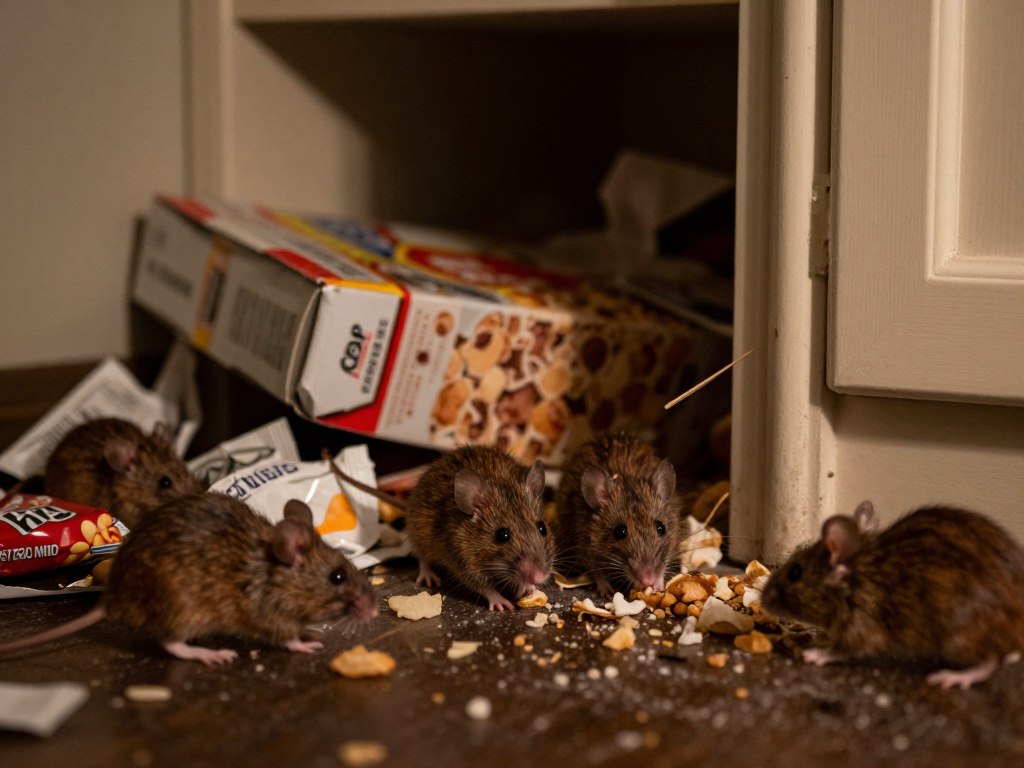
Understanding what draws pests into your living space can help you stop a mouse infestation before it starts. Rodents are primarily driven by the basic need for survival, specifically seeking out accessible food, water, and secure nesting sites. When your home provides these essentials, it becomes a prime target for unwanted visitors.
Food Sources That Appeal to Rodents
Rodents are opportunistic eaters that will consume almost anything they find. Even small amounts of spilled crumbs or improperly stored pantry items can provide enough sustenance to support a growing population. Common household habits often inadvertently invite these pests inside.
To reduce the risk of a mouse infestation, consider these common attractants:
- Open bags of pet food left on the floor.
- Crumbs under kitchen appliances or dining tables.
- Unsealed containers of grains, cereals, or dried fruit.
- Leaking pipes that provide a consistent water source.
- Overflowing trash bins that are not emptied regularly.
Shelter and Nesting Habits
Beyond food, rodents require safe, warm, and undisturbed areas to build their nests. They are experts at finding hidden spots that offer protection from predators and the elements. Cluttered storage areas, such as basements or attics, are particularly attractive because they provide ample materials for nesting.
Rodents often utilize wall voids, crawl spaces, and gaps behind large appliances to establish their homes. By keeping these areas clean and sealing potential entry points, you make your property much less hospitable. Regular inspections of your storage spaces can help you identify and remove nesting materials before a mouse infestation becomes a serious problem.
The Importance of Rodent Control
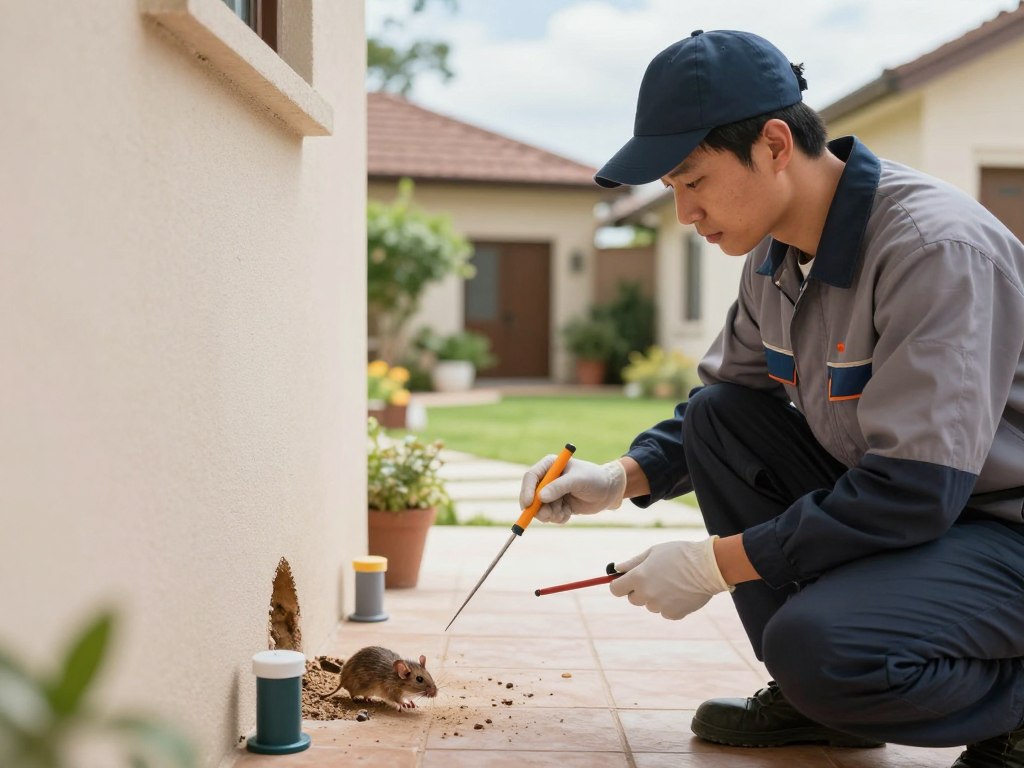
Beyond the annoyance of scurrying sounds, rodents present serious threats to your property and health. Relying on professional pest management services is often the most effective way to address these hidden dangers before they escalate into major crises.
Health Risks Associated with Rodents
Rodents are notorious for carrying harmful bacteria and viruses that can easily spread to humans. They often contaminate food supplies by leaving behind droppings, urine, and hair in pantries or kitchen cabinets.
Direct contact with these pests or their waste can lead to serious illnesses. Keeping your living space sanitary is a primary defense, but professional intervention is often required to eliminate the source of the contamination.
Economic Impact of Rodent Infestations
The financial burden of a rodent infestation often catches homeowners by surprise. These animals possess strong teeth that allow them to chew through electrical wiring, which creates a significant fire hazard in your walls.
Furthermore, they frequently destroy insulation and structural wood, leading to expensive repairs. Investing in timely pest extermination can save you thousands of dollars in long-term property restoration costs.
| Risk Category | Potential Consequence | Financial Impact |
|---|---|---|
| Health | Disease transmission | High (Medical bills) |
| Structural | Chewed wiring | Very High (Fire risk) |
| Property | Ruined insulation | Moderate (Replacement) |
| Food | Contamination | Low (Grocery loss) |
Proactive care is always cheaper than reactive repairs. Utilizing reliable pest management services ensures that your home remains a safe and secure environment for your family throughout the year.
Effective Rodent Control Methods

Protecting your property from rodents involves more than just setting a single trap; it requires a comprehensive plan. Implementing a multi-layered approach to rodent control is vital for achieving lasting results in your home. By combining physical barriers with smart removal tactics, you can manage minor issues before they escalate into full-blown infestations.
Prevention Techniques
The first step in any successful strategy is to deny pests access to your living space. You should inspect your home for small gaps, cracks, or holes in the foundation, walls, and roofline. Even a hole the size of a dime can serve as an entry point for determined mice.
Seal these openings using durable materials like steel wool, caulk, or metal flashing. Rodents are persistent chewers, so avoid using plastic or wood for repairs. If you find the task overwhelming, professional pest control services can help identify hidden vulnerabilities.
Trapping Tips
When prevention is not enough, you must rely on proven rodent removal techniques to clear your home. Proper trap placement is the most critical factor in your success. Always position traps perpendicular to walls, as rodents prefer to travel along these edges for protection.
Use high-quality bait such as peanut butter or dried fruit to attract them effectively. Check your traps daily to ensure they remain functional and to remove any captured pests promptly. Consistency is key when applying these rodent removal techniques to maintain a safe environment.
| Method | Primary Benefit | Difficulty Level |
|---|---|---|
| Sealing Entry Points | Prevents new access | Moderate |
| Snap Trapping | Immediate results | Easy |
| Sanitation | Removes attractants | Low |
| Professional Inspection | Comprehensive rodent control | Expert |
DIY Rodent Control Solutions

Many homeowners prefer to start their journey toward a pest-free house by exploring various DIY rodent removal techniques. These methods offer a sense of empowerment and allow you to address minor issues as soon as they appear. However, success depends heavily on your consistency and willingness to monitor the situation closely over time.
Natural Repellents
Natural deterrents are often the first line of defense for those who prefer to avoid harsh chemicals. Peppermint oil is a popular choice because its strong scent can overwhelm the sensitive noses of mice and rats. You can soak cotton balls in the oil and place them near entry points or suspected nesting areas.
Ultrasonic devices are another option that some people find useful for keeping pests away. These gadgets emit high-frequency sounds that are designed to be uncomfortable for rodents while remaining silent to humans. While these rodent removal techniques can be helpful, they work best when combined with other sanitation efforts.
Building Your Own Traps
If you prefer a more hands-on approach, building your own traps can be an effective way to manage localized activity. A classic bucket trap is a simple yet clever design that uses a ramp and a rolling cylinder to lure rodents into a container. This method is often favored because it can be set up quickly using common household items.
When you implement these DIY rodent removal techniques, remember that placement is just as important as the trap design itself. Always position your devices along walls or in dark corners where rodents feel safe to travel. Regular inspection is vital to ensure your traps remain functional and to address any captures promptly.
| Method | Primary Benefit | Maintenance Level | Best Use Case |
|---|---|---|---|
| Peppermint Oil | Non-toxic scent | High (needs refreshing) | Small, enclosed spaces |
| Ultrasonic Devices | Hands-off operation | Low | General area deterrence |
| Bucket Traps | High capture rate | Medium | Active infestation areas |
When to Call the Professionals
While many homeowners start with DIY methods, there comes a point where professional intervention is necessary. If you find that your home remains a playground for rodents despite your best efforts, it is time to call for help. A specialized rodent extermination company can provide the expertise needed to handle complex infestations safely and effectively.
Signs You Need Expert Help
One of the clearest indicators that you need professional assistance is persistent activity. If you continue to hear scratching in the walls or find fresh droppings after weeks of trapping, the colony may be larger than you anticipated. This is where professional pest management services become essential to identify hidden nesting sites.
You should also seek help if you notice significant structural damage, such as chewed electrical wires or gnawed baseboards. These issues pose serious fire hazards and require immediate attention. Furthermore, if you suspect the presence of larger animals, you may need specialized wildlife removal to ensure the safety of your household.
What to Expect from Pest Control Services
When you contact a professional team like CX Pest Solutions, the process begins with a thorough inspection. Local experts will examine your property to locate entry points and identify the scope of the infestation. This assessment allows them to create a targeted plan that addresses the root cause of the problem.
Following the inspection, the team will implement a customized treatment strategy. This often includes sealing entry points and using professional-grade tools that are not available to the general public. You can expect ongoing support to ensure that the pests do not return, providing you with long-term peace of mind.
| Feature | DIY Methods | Professional Services |
|---|---|---|
| Initial Cost | Low | Higher |
| Effectiveness | Variable | High |
| Safety | User-dependent | Guaranteed |
| Time Required | High | Low |
Long-term Rodent Prevention Strategies
Achieving a pest-free home requires more than just a one-time fix. Effective rat prevention is a commitment to ongoing home maintenance and strict sanitation practices. By staying proactive, you can create an environment that is naturally unappealing to rodents.
Maintaining Cleanliness in Your Home
A clean home is your first line of defense against infestations. Rodents are constantly searching for food and nesting materials, so removing these resources is essential for successful rat prevention. If you need professional guidance, you can learn more about our team and our dedication to keeping your property safe.
Consider these daily habits to keep your living space secure:
- Store all pantry items in airtight glass or metal containers.
- Wipe down kitchen counters and floors to remove crumbs or spills.
- Keep your garage and basement free of cardboard boxes and paper clutter.
- Ensure your trash cans have tight-fitting lids and are emptied regularly.
Inspecting Your Property Regularly
Even the most organized homes can develop small gaps that allow pests to enter. You should perform a thorough property inspection at least once every season to identify new entry points. Look for signs of gnawing, droppings, or rub marks along baseboards and exterior walls.
Focus your inspection efforts on these critical areas:
- Check the foundation for cracks or gaps larger than a quarter-inch.
- Inspect utility lines and pipe entries where they meet the exterior wall.
- Examine door sweeps and window screens for tears or loose fittings.
- Clear away vegetation or wood piles that are stacked directly against your home.
By identifying these vulnerabilities early, you stop potential problems before they grow. Consistent monitoring ensures that your home remains a fortress against unwanted visitors.
Environmental Considerations in Rodent Control
Managing rodents requires a careful balance between protecting your home and respecting the surrounding ecosystem. While keeping your living space free of pests is essential, the methods you choose can have lasting effects on the environment. Thoughtful homeowners now prioritize strategies that keep their property secure while minimizing their ecological footprint.
Eco-friendly Pest Control Products
Modern pest management has shifted toward sustainable solutions that avoid harsh chemicals. Many people now prefer mechanical traps or ultrasonic devices that deter rodents without introducing toxins into the home. These options are often safer for households with pets and small children.
Natural repellents, such as peppermint oil or specialized botanical sprays, can also serve as effective deterrents. By focusing on exclusion and natural barriers, you reduce the need for aggressive chemical interventions. This approach aligns with professional standards for responsible wildlife removal in residential areas.
The Impact of Poison on Local Wildlife
Traditional rodenticides pose significant risks to the broader environment beyond your property lines. When rodents consume poison, they often move outdoors before dying, where they become easy prey for local predators. This process leads to secondary poisoning, which can harm hawks, owls, foxes, and neighborhood cats.
Choosing safer alternatives helps protect the local food chain and maintains the health of your backyard ecosystem. If you find that your situation requires professional wildlife removal, ask your technician about non-toxic options. Prioritizing these methods ensures that your home remains safe while you contribute to a healthier, more sustainable community.
Seasonal Rodent Control Tips
Seasonal changes significantly impact rodent behavior, making year-round vigilance essential for homeowners. Because these pests adapt their survival strategies to the weather, your approach to rat prevention must also evolve throughout the year. By staying ahead of these shifts, you can maintain a secure environment regardless of the temperature outside.
Preparing Your Home for Winter
As temperatures drop, rodents actively seek warmth and shelter inside residential structures. This is the time to conduct a thorough inspection of your foundation, vents, and roofline for any small gaps. Effective rat prevention during these months relies heavily on sealing these entry points with steel wool or heavy-duty caulk.
You should also clear away any debris or woodpiles stored near the exterior walls of your house. These piles provide perfect hiding spots for rodents waiting for an opportunity to slip indoors. Keeping the perimeter clear makes it much harder for them to find a safe path into your living space.
Summer Precautions Against Rodents
When the weather warms up, the focus of your strategy should shift toward managing outdoor attractants. Rodents are often drawn to homes during the summer in search of water and accessible food sources. Consistent rat prevention in the summer involves keeping your trash bins tightly sealed and removing fallen fruit from your yard.
It is also important to keep your grass trimmed and remove thick vegetation that might offer cover. Standing water in birdbaths or clogged gutters can attract pests, so ensure your property remains dry and tidy. By removing these basic necessities, you make your home a much less appealing target for local rodent populations.
Conclusion: A Rodent-Free Home is Possible
Maintaining a secure living space requires consistent effort and a proactive mindset. You possess the tools to protect your property by staying alert to small changes in your environment.
Effective rodent control relies on your ability to spot risks before they grow into major issues. Small habits like sealing gaps and managing food storage create a strong defense for your household.
Mastering Your Defense Strategy
Focus on regular property inspections to catch early signs of activity. Keeping your yard tidy and your kitchen clean serves as a powerful deterrent against unwanted guests.
You do not have to manage these challenges alone. Partnering with a trusted rodent extermination company provides peace of mind when you face persistent issues.
Building Lasting Partnerships
CX Pest Solutions stands ready to support your goal of a healthy home. Their team offers the expertise needed to handle complex infestations with care and precision.
Commit to these simple steps to ensure your living space remains comfortable and safe. Your dedication to home maintenance keeps your family protected throughout every season.