
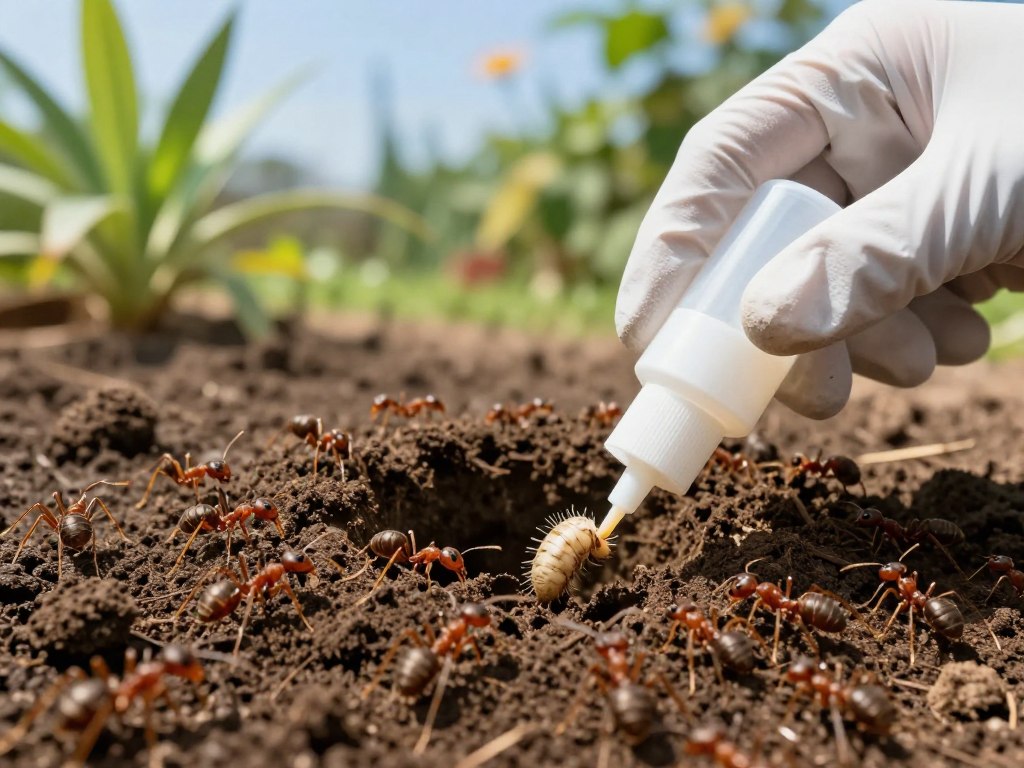
Have you ever wondered why those tiny invaders seem to return no matter how many you sweep away? Achieving true ant control requires more than just surface-level cleaning; it demands a strategy that targets the heart of the colony.
Many homeowners struggle because they treat the symptoms rather than the source. By understanding the behavior of these persistent pests, you can finally reclaim your living space.
This guide provides a comprehensive overview of how to identify and eliminate colonies from your property. We emphasize the importance of professional guidance, such as the expert tips provided by CX Pest Solutions, to ensure long-term success. By following these steps, you can achieve effective ant eradication and maintain a peaceful, pest-free environment throughout the year.
Key Takeaways
- Identify the specific species to choose the right treatment.
- Focus on eliminating the queen to collapse the entire colony.
- Seal entry points to prevent future infestations from occurring.
- Utilize professional insights from CX Pest Solutions for better results.
- Maintain consistent sanitation habits to discourage new scouts.
Understanding Ant Behavior
To achieve effective residential ant control, you must first understand how these complex creatures operate. Learning about their biology and social habits is the primary step toward keeping your home pest-free. By knowing what drives their movements, you can better protect your living space.
Common Types of Ants in the U.S.
The United States is home to several species that frequently cause trouble for homeowners. Carpenter ants are well-known for damaging wood structures, while odorous house ants often invade kitchens in search of sweets. Fire ants are another common concern, especially in warmer southern climates where they build large mounds.
Identifying the specific species is vital for successful ant control. Each type has unique habits that require different treatment strategies. Knowing your enemy is the best way to ensure your efforts are not wasted.
Why Ants Invade Homes
Ants are constantly on the move to find resources for their colony. They primarily enter homes to search for food, water, and shelter from harsh weather conditions. Even a tiny crumb or a small spill can attract a scout, which then leaves a scent trail for others to follow.
Once they find a reliable source of sustenance, they will keep coming back. This behavior makes consistent residential ant control difficult if you do not eliminate the source of the attraction. Keeping your kitchen clean and sealing food containers helps discourage these persistent visitors.
Nests and Colonies: Their Structure
Ants live in highly organized societies with a clear hierarchy. At the center of every colony is the queen, who is responsible for laying eggs and growing the population. Workers are the ants you see foraging, while the brood consists of the developing larvae and pupae.
To truly stop an infestation, you must target the queen and the nest itself. Simply killing the foraging workers will not solve the problem because the colony will continue to produce more. Effective ant control requires reaching deep into the nest to disrupt the entire social structure.
Signs of an Ant Infestation
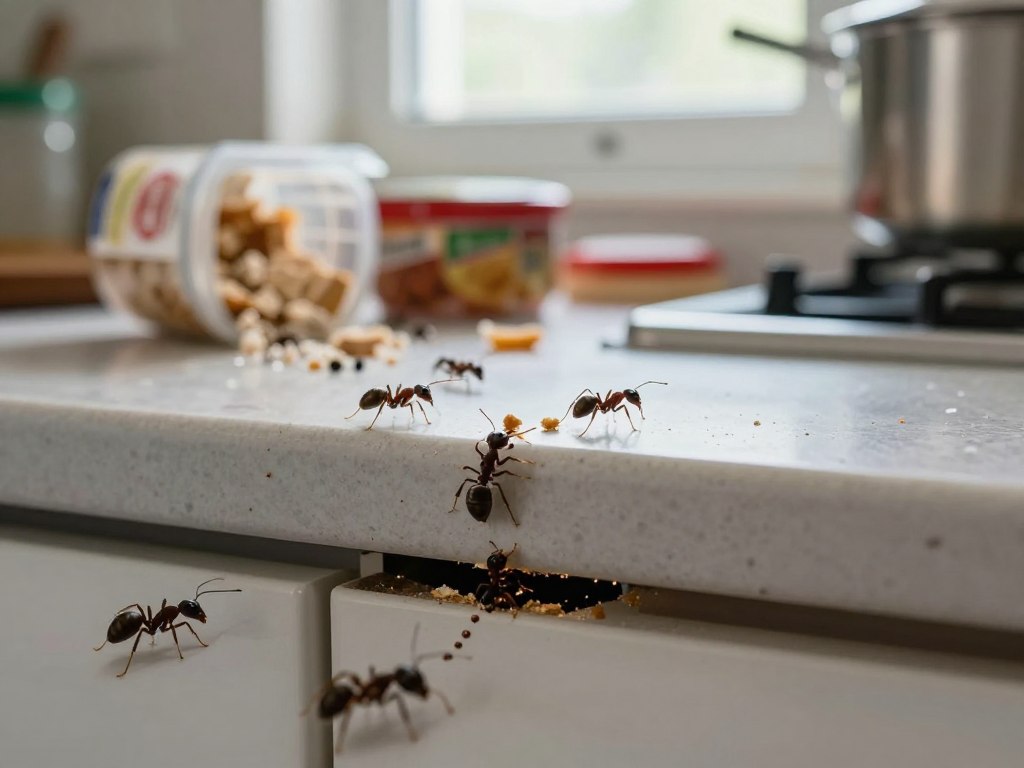
Effective pest management begins with your ability to recognize the subtle clues left behind by foraging ants. When you notice these small invaders, acting quickly is essential to prevent a minor nuisance from turning into a full-blown colony expansion. By identifying these indicators early, you can implement a targeted ant infestation treatment before the situation becomes difficult to manage.
Visible Ant Trails
Ants often leave behind invisible chemical markers called pheromones to guide their nestmates to food sources. When you see a steady line of ants moving across your countertops or floors, they are following these scent trails. You can often trace these lines back to a specific entry point, such as a crack in the window frame or a gap near a baseboard.
Finding Ant Nests
Locating the actual nest is the most important step in successful pest management. While some ants build mounds in your yard, others prefer the shelter of your home, nesting in wall voids, insulation, or behind kitchen cabinets. If you see ants consistently emerging from a specific wall outlet or a small hole in the wood, you have likely found a satellite colony.
Other Indications of Infestation
Beyond seeing the insects themselves, look for physical evidence of their presence. Some species leave behind small piles of sawdust, known as frass, which indicates they are excavating wood. You might also notice a faint, sweet, or musty odor in areas where large colonies are active. Early detection of these signs allows for a more effective ant infestation treatment that addresses the root cause rather than just the visible workers.
| Indicator | Common Location | Action Required |
|---|---|---|
| Pheromone Trails | Countertops and floors | Clean with vinegar |
| Frass Piles | Near wooden structures | Inspect for damage |
| Emergence Holes | Wall voids and trim | Seal entry points |
| Swarming Activity | Windows and light sources | Contact professional |
Essential Tools for Ant Control
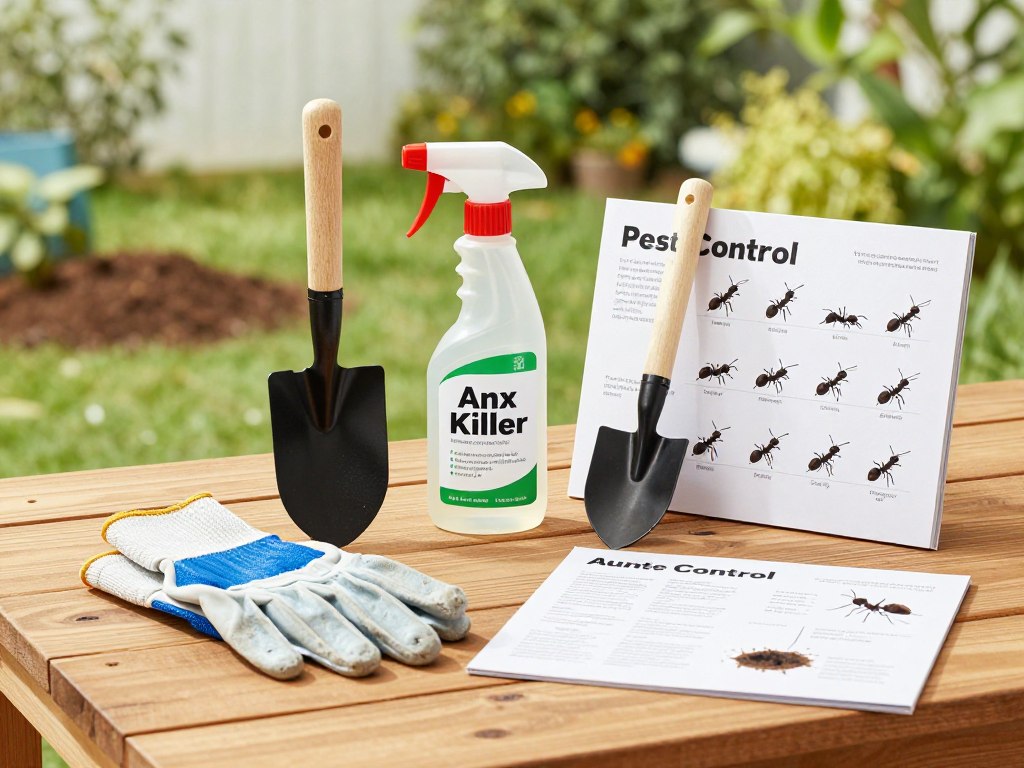
Equipping yourself with the correct products is the first step toward a pest-free home. Proper pest management relies on choosing the right supplies to handle different stages of an infestation. By understanding how each tool functions, you can build a defense kit that works for your specific needs.
Sprays and Baits
Contact sprays are useful for immediate relief when you spot a trail of ants. However, they only kill the insects you see. To achieve effective ant eradication, you should pair these with slow-acting baits. Baits allow worker ants to carry poison back to the colony, which helps eliminate the queen and the entire nest.
Granules and Powders
Granules are excellent for outdoor use around the foundation of your house. They create a protective barrier that stops ants before they enter your living space. For indoor cracks and crevices, specialized powders provide long-lasting results. These tools are essential components of professional-grade pest management strategies.
Natural Ant Control Solutions
Many homeowners prefer using natural remedies to keep their environment safe. Ingredients like essential oils, vinegar, and diatomaceous earth can deter ants without harsh chemicals. While these methods require more frequent application, they contribute to effective ant eradication when used consistently in high-traffic areas.
| Tool Type | Primary Use | Best For |
|---|---|---|
| Contact Sprays | Immediate kill | Visible trails |
| Gel Baits | Colony elimination | Hidden nests |
| Granules | Perimeter defense | Outdoor entry points |
| Natural Powders | Non-toxic deterrent | Indoor cracks |
DIY Ant Control Methods
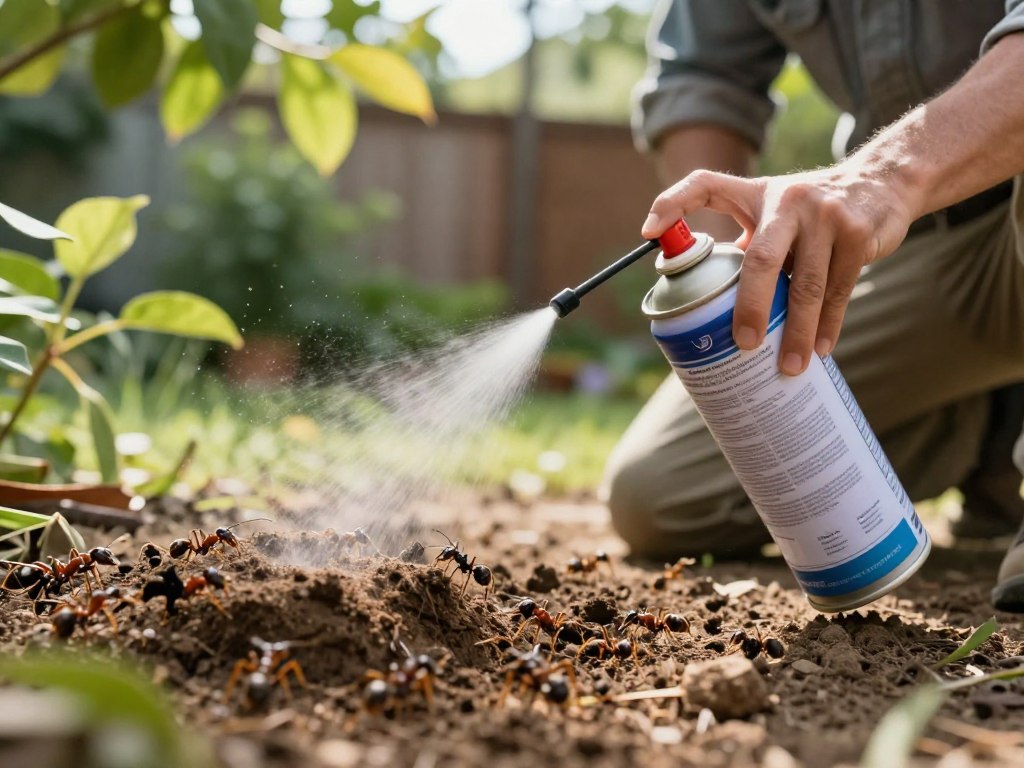
Tackling an ant problem on your own is often the first step toward reclaiming your home. Many homeowners prefer starting with simple DIY methods for insect extermination before escalating to stronger chemical options. These natural approaches are often safer for families and pets while remaining highly effective against minor infestations.
Homemade Ant Traps
You can easily construct effective traps using common pantry staples. The goal is to create a bait that attracts ants, allowing them to carry the mixture back to their queen.
- Mix equal parts powdered sugar and borax.
- Place the mixture in shallow lids or small containers.
- Position these traps near known ant trails or entry points.
Diatomaceous Earth for Ants
Diatomaceous earth is a natural powder that works by dehydrating insects upon contact. It is a popular choice for those seeking a non-toxic form of insect extermination.
To use it properly, apply a thin layer of food-grade diatomaceous earth in cracks, crevices, and along baseboards. Be sure to keep the area dry, as moisture renders the powder ineffective. Always wear a mask during application to avoid inhaling the fine dust particles.
Using Vinegar and Borax
Vinegar is an excellent tool for disrupting the pheromone trails that ants use to navigate. By wiping down surfaces with a mixture of white vinegar and water, you effectively mask their path and confuse the colony.
When combined with borax, you create a powerful system for colony elimination. While vinegar cleans the trail, the borax bait works internally to stop the infestation at the source.
| Method | Primary Use | Effectiveness |
|---|---|---|
| Vinegar Spray | Trail Masking | High (Immediate) |
| Borax Bait | Colony Control | High (Delayed) |
| Diatomaceous Earth | Physical Barrier | Medium (Contact) |
Professional Ant Control Services
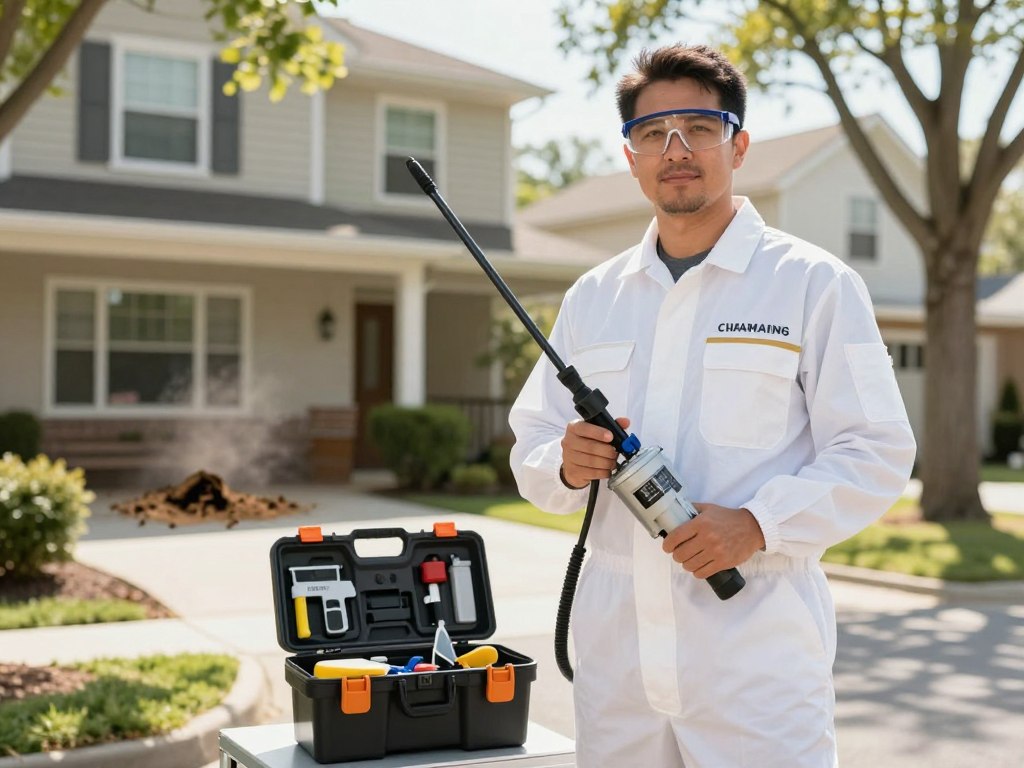
Managing a stubborn infestation often requires the specialized skills of a professional ant exterminator. While many homeowners start with store-bought traps, these methods sometimes fail to reach the heart of the colony. When you notice that your efforts are not yielding results, it is time to bring in the experts.
When to Call Exterminators
You should consider professional help if you see ants reappearing in the same spots shortly after treatment. A persistent trail suggests that the queen and the main nest remain active and protected deep within your walls or foundation.
Large-scale infestations often demand advanced insect extermination techniques that are not available to the general public. If you notice structural damage or if the ants are spreading to multiple rooms, do not wait to seek assistance.
Benefits of Professional Treatments
Choosing professional ant removal services ensures that the entire colony is addressed rather than just the visible workers. Experts have access to specialized baits and residual treatments that provide long-term protection for your home.
Companies like CX Pest Solutions offer tailored plans that prioritize both effectiveness and safety. By relying on their expertise, you save time and avoid the frustration of trial-and-error methods that often prove ineffective against resilient species.
What to Expect from Service Calls
A standard service call begins with a thorough inspection of your property to identify entry points and nesting sites. The technician will assess the severity of the issue and explain the best course of action for your specific situation.
Once the plan is approved, the team will apply targeted treatments to eliminate the colony safely. Most providers also offer follow-up visits to ensure the pests are gone for good and to provide tips on keeping them away.
| Feature | DIY Methods | Professional Services |
|---|---|---|
| Treatment Scope | Surface level | Colony elimination |
| Safety Protocols | User-managed | Expert-supervised |
| Long-term Results | Temporary | Lasting protection |
| Cost Efficiency | Low initial cost | High value/effective |
Preventing Ants from Invading
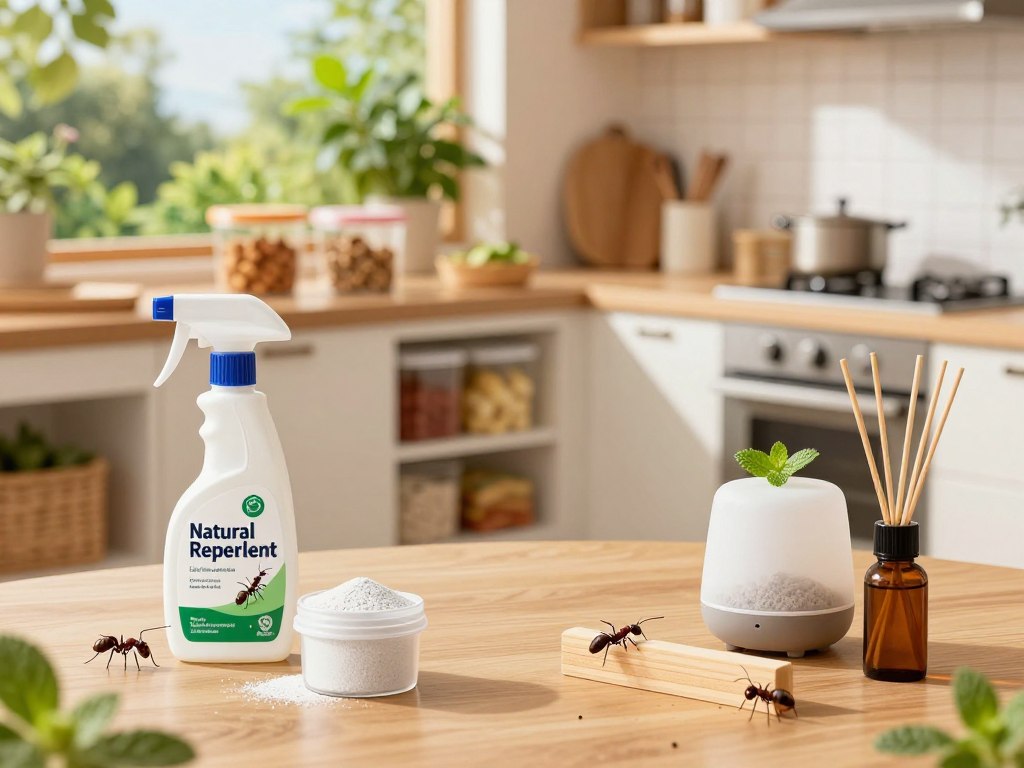
Keeping ants out of your home is much easier than trying to get rid of them once they have settled in. By focusing on proactive ant prevention methods, you can stop an infestation before it starts. These simple habits save you from needing expensive ant removal services later on.
Sealing Entry Points
Ants are tiny experts at finding small gaps in your home’s exterior. You should inspect your foundation, windows, and doors for any cracks or crevices. Use high-quality silicone caulk to seal these openings tightly.
Don’t forget to check where utility lines enter your house. These areas often have small gaps that provide easy access for scouts. Installing weather stripping under exterior doors also acts as a strong barrier against unwanted visitors.
Proper Food Storage Techniques
Food is the primary reason ants enter your kitchen. If you leave crumbs or spills behind, you are essentially sending an invitation to the colony. Always store pantry items like sugar, flour, and cereal in airtight containers.
Wipe down your countertops every night to remove sticky residues. Taking out the trash regularly and keeping the bin lid closed tight will also help. These small changes are essential parts of effective ant prevention methods.
Yard Maintenance Tips
Your yard can quickly become a breeding ground if it is not properly managed. Keep tree branches and shrubs trimmed so they do not touch your siding or roof. This prevents ants from using them as a bridge to enter your home.
Consider these additional steps to keep your property clear:
- Remove piles of wood or debris near the foundation.
- Keep mulch at least a few inches away from the exterior walls.
- Clear away standing water that might attract thirsty insects.
- Regularly inspect your garden for signs of aphid activity.
Maintaining a clean yard reduces the number of nesting sites available to local colonies. If you find that your efforts are not enough, it may be time to consult with professionals who offer specialized ant removal services to secure your perimeter.
Using Chemical Treatments Safely
Keeping your family and pets safe while performing residential ant control is a top priority for every homeowner. While chemical solutions offer a quick way to eliminate colonies, they require a disciplined approach to ensure no harm comes to your household. By following specific guidelines, you can effectively manage pests without compromising your living environment.
Understanding Pesticide Labels
Every product you purchase comes with a label that serves as a legal document. You must read these instructions thoroughly before opening the container. The label provides critical information regarding the concentration of active ingredients and the specific pests the product targets.
Look for the EPA registration number on the packaging to ensure the product meets federal safety standards. Never use a product in a way that contradicts the manufacturer’s directions. If the label specifies a particular surface or area, do not apply it elsewhere.
Safety Precautions for Pets and Kids
Children and pets are naturally curious, which makes them more vulnerable to chemical exposure. When applying treatments for residential ant control, you should always keep these vulnerable family members away from the treated area until the product has fully dried.
- Store all chemicals in a locked cabinet high above the reach of children.
- Keep pets out of rooms while you are actively applying sprays or powders.
- Ensure proper ventilation by opening windows during and after the application process.
- Always wash your hands thoroughly after handling any pest control products.
Environmental Impact of Ant Control
Your choices in pest management can have a lasting effect on the local ecosystem. Over-application of chemicals often leads to runoff, which can contaminate soil and nearby water sources. You should always use the minimum amount of product necessary to achieve the desired results.
Be mindful of beneficial insects, such as bees and butterflies, when treating outdoor areas. Avoid spraying on windy days to prevent the chemicals from drifting into gardens or flower beds. Responsible disposal of empty containers is also essential to prevent environmental pollution in your community.
Monitoring and Maintenance
Once you have completed your initial ant infestation treatment, the real work of home maintenance begins. It is easy to assume the problem is solved, but colonies can be resilient. Staying proactive ensures that any remaining stragglers do not establish a new foothold in your living space.
Post-Treatment Follow-Up
After applying your chosen control measures, observe the area for at least two weeks. You should look for a significant decrease in activity rather than an immediate disappearance. If you continue to see large numbers of ants, your current strategy may need a quick adjustment.
Consistent observation is the most effective way to verify that the queen has been eliminated. If you used bait, ensure it remains accessible until the activity stops completely. Proper follow-up prevents the colony from rebounding after a partial success.
Recognizing Re-infestation Signs
Being able to spot the early warning signs of a return is vital for effective ant prevention methods. Keep a close eye on areas where you previously found trails or nests. New activity often starts small, appearing as just one or two scouts searching for food.
Watch for these common indicators that your home is being targeted again:
- Fresh dirt piles near baseboards or window sills.
- New, faint pheromone trails appearing on countertops.
- Increased ant sightings near water sources like sinks or pet bowls.
- Small holes or debris appearing in pantry corners.
Regular Inspection Tips
Routine checks are the best way to maintain a secure home. By dedicating a few minutes each week to inspect high-risk zones, you can stop a new invasion before it grows. These simple ant prevention methods will save you time and stress in the long run.
Focus your inspections on these specific areas:
| Location | What to Check | Frequency |
|---|---|---|
| Kitchen | Under sinks and behind appliances | Weekly |
| Bathroom | Around pipes and drains | Bi-weekly |
| Exterior | Foundation cracks and entry points | Monthly |
If you notice any suspicious activity during your rounds, act immediately. Re-applying a targeted ant infestation treatment at the first sign of trouble is much easier than dealing with a full-blown colony later. Staying consistent is the secret to a pest-free home.
When Ant Control Fails
When your current pest control plan falls short, you need a new perspective on the problem. It is common to feel frustrated when ants continue to appear despite your hard work. However, identifying why your methods are not working is the first step toward a pest-free home.
Common Mistakes to Avoid
One frequent error is using the wrong type of bait for the specific species invading your kitchen. Not all ants are attracted to the same food sources, so a sugar-based bait might be ignored by protein-seeking colonies. Furthermore, many homeowners fail to locate the main nest, which allows the queen to keep producing new workers.
Another mistake involves spraying repellent chemicals too early. These sprays often kill only the foragers, causing the colony to split and relocate to safer areas of your home. This makes the infestation much harder to track and eliminate later.
Assessing the Infestation Severity
You should evaluate how widespread the activity is before deciding on your next move. If you see ants in multiple rooms or notice structural damage, the colony is likely well-established. Large-scale infestations often require more than just store-bought traps to manage effectively.
Consider the frequency of sightings as a key indicator of severity. If you are seeing ants daily in high numbers, your current DIY approach is likely insufficient. At this stage, it is wise to consult a professional ant exterminator who can identify the species and the nest location accurately.
Re-evaluating Your Strategy
If your efforts continue to fail, it is time to shift your focus toward more robust solutions. Sometimes, the complexity of the situation demands the expertise of a professional ant exterminator to ensure the entire colony is destroyed. They have access to specialized tools that are more effective than standard retail products.
For those managing larger properties, you might need to look into commercial insect control services. These experts understand the nuances of persistent infestations and can provide long-term protection for your space. Re-evaluating your strategy now will save you time, money, and stress in the long run.
Frequently Asked Questions about Ant Control
Managing pests requires clear answers to common concerns about timelines and long-term results. CX Pest Solutions provides expert guidance to help you navigate these challenges with confidence.
How Long Does Ant Control Take?
Most treatments show results within a few days. Complete colony elimination depends on the species and the size of the infestation. Effective ant control often requires patience as the bait works through the entire nest structure.
Can Ants Return After Treatment?
New colonies can move into your space if conditions remain favorable. Regular inspections and sealing entry points keep your property secure. Reliable commercial insect control strategies focus on creating a lasting barrier against future invaders.
Is Natural Ant Control Effective?
Natural options work well for minor issues or as a preventative measure. Heavy infestations usually demand stronger, professional-grade products to ensure total removal. Reach out to CX Pest Solutions to determine the best approach for your specific needs and maintain a pest-free environment.