

Have you ever wondered if your backyard could be a peaceful sanctuary instead of a battleground against buzzing pests? Maintaining a pest-free outdoor space is essential for your family to enjoy the warm summer months safely. Consistent efforts in effective mosquito control can significantly reduce the presence of these biting insects in your immediate environment.
By following these expert tips, you can reclaim your patio and garden from unwanted visitors. Simple habits like removing standing water and keeping your lawn trimmed make a massive difference. If you find that DIY methods are not enough to handle a severe problem, CX Pest Solutions can provide professional assistance to keep your outdoor space comfortable. We are always available to help homeowners who need more advanced intervention for persistent issues.
Key Takeaways
- Eliminate standing water to prevent breeding grounds.
- Keep your grass and shrubs neatly trimmed.
- Use fans on your patio to deter flying insects.
- Install screens to protect your outdoor living areas.
- Contact CX Pest Solutions for professional, advanced help.
Understanding Mosquito Behavior
Mastering the art of mosquito prevention starts with a deep dive into the habits of these persistent pests. By learning how they navigate their environment, you can better protect your family and guests during outdoor gatherings. These insects follow specific biological patterns that make them highly efficient at finding hosts.
Why Mosquitoes Are Attracted to Your Backyard
Mosquitoes are drawn to your property by a combination of sensory cues that signal a potential meal. They are particularly sensitive to carbon dioxide emissions, which humans and pets naturally exhale. Additionally, body heat and moisture act as powerful beacons that guide them toward your patio or garden.
If your yard provides these sensory triggers, you may find yourself dealing with a persistent mosquito infestation. Dense vegetation often provides the shade and humidity these insects crave during the hottest parts of the day. By minimizing these attractants, you create a less hospitable environment for them to thrive.
Common Breeding Grounds for Mosquitoes
The life cycle of a mosquito depends entirely on the presence of standing water. Even a small amount of liquid, such as what collects in a discarded bottle cap or a clogged gutter, can serve as a nursery for hundreds of larvae. Identifying these hidden spots is a critical step in any successful mosquito prevention strategy.
Common culprits often include birdbaths, saucers under potted plants, and uneven areas in your lawn that hold water after a rainstorm. Regularly inspecting your property for these items helps stop a potential mosquito infestation before it begins. Keeping your yard clean and dry is the most effective way to reclaim your outdoor space.
Effective Mosquito Repellents

Protecting your family from bites involves choosing between natural and synthetic options. Finding the right balance ensures you can enjoy your yard without constant irritation. Whether you prefer plant-based solutions or stronger compounds, there is a method to suit your needs.
Natural Repellents You Can Use
Many homeowners prefer using essential oils to keep insects at bay. Ingredients like lemon eucalyptus oil, citronella, and peppermint are popular choices for those seeking a greener approach. These options are often gentle on the skin and provide a pleasant scent while you relax outdoors.
You can apply these natural oils as a topical lotion or use them in diffusers placed around your seating area. While they are effective for short periods, they may require more frequent reapplication than synthetic alternatives. Always check labels to ensure the concentration is safe for children and pets.
Chemical Repellents: What to Know
When natural methods are not enough, synthetic options offer longer-lasting protection. Products containing DEET or Picaridin are highly effective at keeping mosquitoes away for several hours. When using a standard mosquito spray, apply it evenly to exposed skin and clothing for the best results.
For larger outdoor gatherings or persistent infestations, professional mosquito fogging serves as a powerful mosquito treatment. This method covers a wider area, targeting resting spots where insects hide during the day. It is a great way to manage your yard before a big event.
Always follow safety guidelines when using any mosquito spray to protect your family and pets. If you choose to hire a service for mosquito fogging, ensure they use products approved for residential use. Consistent application of your chosen mosquito treatment will help you maintain a comfortable and bite-free environment all season long.
Tips for Landscaping to Reduce Mosquitoes
Strategic landscaping serves as a powerful defense against unwanted backyard pests. By making your outdoor space less hospitable, you can achieve effective mosquito prevention through thoughtful design. A well-planned garden not only looks beautiful but also acts as a natural barrier against insects.
Choosing Mosquito-Resistant Plants
Integrating specific plants into your garden is a great way to discourage pests naturally. Many aromatic plants contain oils that mosquitoes find unpleasant, making them excellent additions to your landscape. Consider planting lavender, marigolds, or lemongrass near seating areas to create a natural buffer zone.
These plants are easy to maintain and provide a pleasant scent for humans while serving as a functional tool for mosquito prevention. You can place them in pots on your patio or directly into your garden beds for maximum coverage.
| Plant Name | Primary Benefit | Best Location |
|---|---|---|
| Lavender | Repels insects with scent | Sunny garden borders |
| Marigolds | Contains natural pyrethrum | Patio containers |
| Lemongrass | High citronella content | Near entryways |
Importance of Proper Yard Maintenance
Beyond choosing the right plants, keeping your yard tidy is essential for long-term mosquito prevention. Mosquitoes often seek shelter in tall grass and dense brush during the heat of the day to avoid dehydration. Regularly trimming your lawn and clearing away overgrown vegetation removes these vital resting spots.
Focus on keeping your hedges pruned and removing piles of leaves or garden debris. When you maintain a clean and open landscape, you reduce the humidity levels that these pests crave. Consistent yard care is a simple yet highly effective strategy for keeping your outdoor space comfortable all season long.
Water Management Strategies

Managing standing water is the foundation of any solid plan to keep your yard mosquito-free. Because these pests require water to complete their life cycle, your primary goal for effective mosquito management is to remove their breeding grounds. By staying proactive, you can stop them from multiplying in your own backyard.
Eliminating Standing Water
Start by walking around your property to identify hidden water traps. Mosquitoes only need a small amount of water, such as a bottle cap or a leaf, to lay their eggs. Check your gutters for clogs, empty saucers under potted plants, and refresh birdbaths at least once a week.
You should also inspect items like old tires, buckets, and children’s toys left outside. If you have a rain barrel, ensure it is tightly covered with a fine mesh screen. These simple steps are essential for successful mosquito management throughout the warmer months.
| Water Source | Risk Level | Action Required |
|---|---|---|
| Clogged Gutters | High | Clean debris regularly |
| Plant Saucers | Medium | Drain after watering |
| Birdbaths | High | Change water weekly |
| Old Tires | Very High | Remove or drill holes |
How to Use Mosquito Dunks Effectively
When you have water features that cannot be drained, such as decorative ponds or rain barrels, biological controls are a great solution. Mosquito dunks are small, donut-shaped products that contain BTI, a natural bacteria that targets larvae. They are safe for pets, birds, and other wildlife, making them a smart choice for your mosquito management strategy.
To use them, simply float a dunk in the standing water. One dunk typically treats up to 100 square feet of surface area for about 30 days. Always check the product label for specific instructions based on the size of your water feature to ensure the best results.
Using Outdoor Fans
One of the simplest ways to reclaim your patio from buzzing pests is by using outdoor fans. These devices provide a mechanical barrier that makes it difficult for insects to navigate your living space. By creating a consistent breeze, you can significantly improve your comfort during warm evenings.
How Fans Help Deter Mosquitoes
Mosquitoes are surprisingly weak fliers. They struggle to maintain a steady flight path when faced with even a light breeze. A fan creates enough turbulence to prevent them from landing on you or your guests.
Beyond the physical wind, fans also help disperse the carbon dioxide and body heat that attract mosquitoes. By breaking up these scent trails, you make it much harder for pests to locate their targets. This simple strategy is highly effective for small to medium-sized seating areas.
Best Types of Fans for Outdoor Use
Selecting the right fan depends on your specific outdoor layout. Ceiling-mounted fans are excellent for covered porches or lanais, as they provide broad, downward airflow. These models keep the floor clear and offer a consistent breeze across the entire seating area.
If you have an open deck, oscillating pedestal fans are a great alternative. You can easily reposition these units to target specific zones where you spend the most time. For the best results, look for fans rated specifically for outdoor use to ensure they can withstand humidity and occasional moisture.
The Role of Mosquito Traps
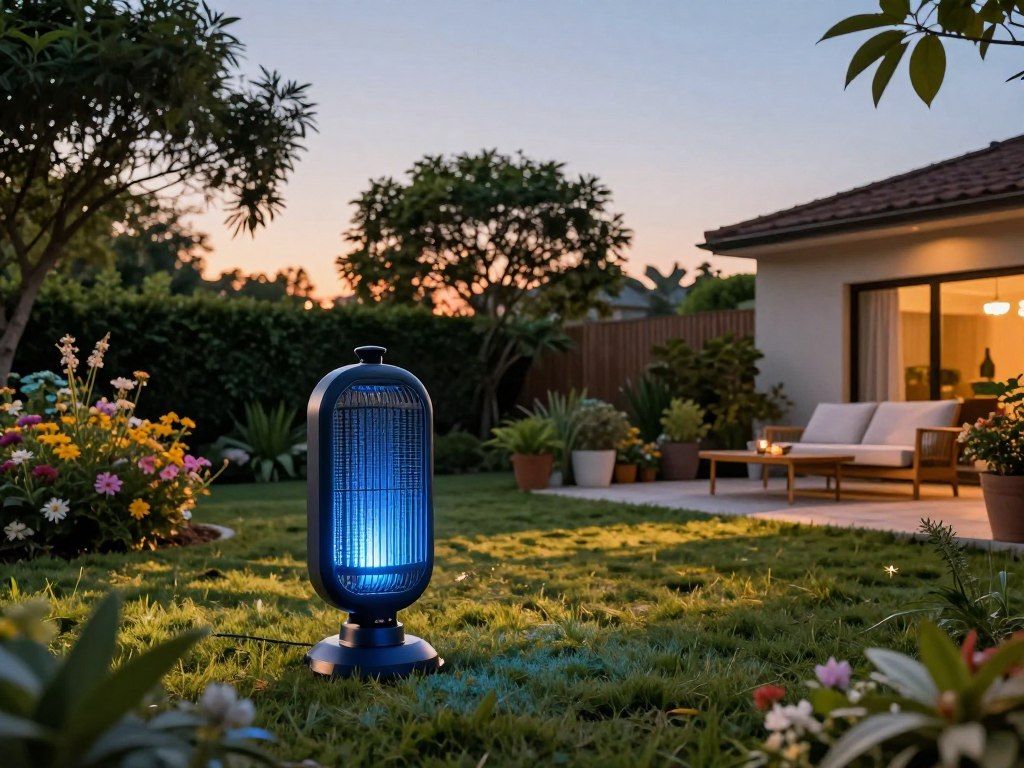
Mosquito traps offer a proactive approach to keeping your yard comfortable and bite-free. By targeting the adult population, these devices serve as a vital tool for effective mosquito eradication in your outdoor living space.
Integrating these tools into your routine helps lower the number of pests that can ruin a summer evening. When used correctly, they provide a significant layer of defense for your home.
Different Types of Traps Available
There are several technologies designed to lure and capture biting insects. CO2-emitting traps are popular because they mimic human breath, which naturally attracts mosquitoes to the device.
Light-based traps use specific wavelengths to draw insects toward a sticky pad or a fan. Choosing the right technology is essential for successful mosquito eradication in your specific environment.
| Trap Type | Primary Lure | Best Use Case |
|---|---|---|
| CO2 Emitters | Carbon Dioxide | Large backyards |
| UV Light Traps | Light Spectrum | Patios and porches |
| Suction Traps | Airflow/Heat | Near breeding sites |
How to Place Mosquito Traps Effectively
Strategic placement is the secret to maximizing the impact of your traps. You should position them in shaded, humid areas where mosquitoes prefer to rest during the heat of the day.
Avoid placing devices in direct sunlight or areas with high wind, as this reduces their efficiency. By placing traps near the perimeter of your yard, you can intercept pests before they reach your main seating area.
Consistent monitoring of your trap locations will lead to better results for long-term mosquito eradication. Move the devices occasionally if you notice that certain spots are not catching as many insects as others.
Introducing Natural Predators
You can effectively manage mosquito populations by inviting nature’s own pest control experts into your garden. Relying on the local food chain is a sustainable way to keep your outdoor space comfortable without using harsh chemicals. By creating a welcoming habitat, you allow wildlife to do the hard work for you.
Birds and Bats: Nature’s Mosquito Control
Bats are incredible hunters that can consume thousands of mosquitoes in a single night. Installing a bat house in a high, shaded area of your yard provides these nocturnal mammals with a safe place to roost. They will reward your hospitality by patrolling your property for pests after the sun goes down.
Certain bird species, such as purple martins, swallows, and swifts, are also excellent at catching mosquitoes mid-flight. You can attract these helpful birds by setting up specific types of bird feeders or nesting boxes. Providing a consistent water source, like a birdbath, further encourages them to stay and hunt in your backyard.
Encouraging Helpful Insects in Your Yard
A balanced ecosystem relies on a variety of beneficial insects that keep pest populations in check. Dragonflies are particularly effective predators, as both their larvae and adult forms feed on mosquitoes. You can attract these colorful insects by planting native vegetation near water features or ponds.
Other insects, such as ladybugs and lacewings, help maintain a healthy garden environment by preying on smaller pests. Avoiding the use of broad-spectrum pesticides ensures that these helpful creatures can thrive in your landscape. When you support a diverse range of species, your yard becomes a self-regulating environment that naturally discourages mosquito outbreaks.
Timing Your Outdoor Activities

Mosquitoes follow a strict daily schedule, and knowing their habits can help you reclaim your outdoor space. Their activity levels fluctuate significantly throughout the day, often peaking during the dawn and dusk hours. By adjusting your schedule to avoid these high-activity windows, you can drastically reduce your exposure to bites.
Best Times to Enjoy Your Backyard
The middle of the day is generally the safest time to spend time in your garden. During these hours, the sun is at its strongest, and mosquitoes typically seek shelter in cool, shaded areas to avoid dehydration. You can comfortably enjoy your patio or lawn during this period with a much lower risk of being bothered by pests.
Planning your outdoor chores or relaxation for the late morning or early afternoon is a smart strategy. If you must be outside during the early morning or late evening, consider wearing long sleeves or using protective gear. Staying in sunny, open areas also helps, as mosquitoes prefer the protection of dense vegetation and shadows.
Activities to Avoid When Mosquitoes Are Active
Certain behaviors can make you a more attractive target for mosquitoes during their peak activity times. It is best to minimize stationary outdoor activities when the sun is low on the horizon. If you are planning an evening gathering, consider moving the event indoors or into a screened-in porch as dusk approaches.
To keep your outdoor experience pleasant, try to avoid the following activities during dawn and dusk:
- Sitting still for long periods near dense bushes or tall grass.
- Gardening or weeding in shaded, damp corners of your yard.
- Hosting outdoor dinners or events without proper protection like fans or screens.
- Exercising near stagnant water sources where mosquitoes congregate to breed.
By being mindful of the clock, you can enjoy your backyard while keeping these pesky insects at bay. Simple adjustments to your daily routine often provide the best defense against unwanted bites.
Chemical Control Options
When your backyard becomes a hub for pests, it is time to consider stronger measures. While natural deterrents work for light activity, heavy infestations often require a more robust approach to regain control of your outdoor space.
Safe Pesticides for Home Use
If you choose to manage the problem yourself, store-bought products can provide temporary relief. Always read the label carefully to ensure the product is safe for your family and pets. A targeted mosquito spray can be effective when applied to shaded areas where these insects rest during the day.
Proper application is key to successful mosquito treatment. Focus on dense vegetation and dark corners of your yard to maximize the impact of your chosen product. Remember that these solutions are best used as part of a broader strategy to keep your home environment comfortable.
Hiring a Professional Pest Control Service
For those seeking a comprehensive solution, professional help is often the most reliable path. Experts have access to advanced tools and methods that go beyond what is available at the local hardware store. If you require a more robust approach, CX Pest Solutions offers specialized services to handle severe infestations safely and effectively.
Professional teams often utilize mosquito fogging to reach areas that are difficult to treat manually. This systematic approach to mosquito extermination ensures that breeding cycles are disrupted at the source. By investing in professional mosquito eradication, you can enjoy your backyard with peace of mind throughout the warmer months.
Community Involvement in Mosquito Control

Effective mosquito management requires more than just individual effort; it demands a community-wide approach. Because these pests travel easily across property lines, your personal yard maintenance is only one piece of the puzzle. Working together with your neighbors creates a larger barrier that significantly lowers the local population.
Joining Local Mosquito Control Initiatives
You can start by talking to your neighbors about shared concerns regarding pest activity. Many neighborhoods form volunteer committees to identify and eliminate common breeding grounds like clogged gutters or abandoned containers. Consistent mosquito management across several properties prevents these insects from finding new places to lay eggs.
Consider organizing a neighborhood cleanup day to clear debris from shared spaces or alleyways. When everyone participates, the impact on the local environment is much greater than if you work alone. These small group efforts foster a safer outdoor space for families and pets alike.
Reporting and Collaborating with Local Authorities
Sometimes, large-scale issues require professional intervention from your city or county health department. If you notice a significant increase in activity or suspect a major breeding site on public land, you should report it immediately. Local authorities have the resources to conduct large-scale mosquito management programs, such as targeted spraying or drainage improvements.
Maintaining open communication with your local vector control office ensures that public health measures are implemented effectively. You can often find contact information on your municipal website or through local government social media pages. Providing specific details about the location and intensity of the problem helps officials prioritize their response efforts.
| Strategy Type | Scope of Impact | Primary Benefit |
|---|---|---|
| Individual Action | Single Property | Immediate personal relief |
| Neighborhood Group | Multiple Properties | Reduces local breeding sites |
| Public Authority | Entire District | Large-scale mosquito management |
Understanding the Health Risks
Protecting your home from a mosquito infestation is a critical step in maintaining a healthy outdoor environment. While these insects are often viewed as mere backyard nuisances, they can carry pathogens that lead to serious medical conditions. Recognizing these dangers is the first step toward effective prevention.
Common Diseases Transmitted by Mosquitoes
In the United States, mosquitoes are known to transmit several viral infections. The most frequently reported illness is the West Nile virus, which can cause fever, headaches, and in rare cases, severe neurological issues. Other concerns include the Zika virus, Chikungunya, and Dengue fever, which occasionally appear in warmer regions.
The following table outlines key characteristics of these common mosquito-borne illnesses to help you stay informed.
| Disease | Primary Symptoms | Risk Level |
|---|---|---|
| West Nile Virus | Fever, body aches, fatigue | Moderate to High |
| Zika Virus | Rash, joint pain, fever | Moderate |
| Dengue Fever | High fever, severe headache | Low (Regional) |
Precautionary Measures to Take
Managing a mosquito infestation requires a proactive approach to personal safety. You should always use EPA-registered insect repellents containing DEET, Picaridin, or oil of lemon eucalyptus. These products are proven to be effective at keeping mosquitoes away from your skin.
Additionally, wearing long-sleeved shirts and long pants during peak activity hours provides a physical barrier against bites. By combining these protective habits with consistent yard maintenance, you can significantly lower the health risks associated with a persistent mosquito infestation.
Creating a Mosquito Control Plan
Taking charge of your outdoor space requires a clear plan that addresses your specific yard layout. A consistent approach turns a buzzing backyard into a peaceful retreat for your family and friends.
Developing a Comprehensive Strategy
Start by mapping out your property to identify high-risk zones where pests gather. Combine physical barriers like fans with smart landscaping choices to build a multi-layered defense. Effective mosquito control relies on your ability to monitor these areas and adjust your tactics based on the season.
Regular Maintenance for Long-Term Success
Consistency remains the most vital part of your battle against pests. Small habits like clearing debris or checking for standing water prevent new populations from taking hold. For those who want a guaranteed approach, CX Pest Solutions can help you design and implement a long-term mosquito extermination plan tailored to your property.
Professional guidance ensures your yard stays protected throughout the warmest months. Reach out to experts to maintain a pest-free environment year-round. Your commitment to these simple steps keeps your home safe and enjoyable for every outdoor gathering.