
Have you ever wondered why your neighbor’s yard looks like a lush, emerald carpet while yours struggles to stay vibrant? Achieving a stunning outdoor space is not just about luck; it requires a strategic approach to lawn care.
CX Pest Solutions provides expert advice on maintaining vibrant grass throughout the changing seasons. Consistency remains the ultimate secret to long-term success in residential yard management.
By following a structured plan, you can transform your property into a neighborhood standout. We will guide you through the essential steps to ensure your soil and grass thrive year-round.
Key Takeaways
- Consistency is the most important factor for a healthy yard.
- Expert guidance helps navigate seasonal changes effectively.
- Strategic planning prevents common growth issues.
- Proper soil management creates a strong foundation for grass.
- Professional advice ensures long-term landscape success.
Understanding Grass Types for Your Lawn
Your journey to a perfect lawn begins with understanding the biology of your grass. Successful lawn care relies on matching the right species to your specific environment. When you pick the correct variety, you reduce the need for extra water and harsh chemicals.
Cool-Season Grass vs. Warm-Season Grass
Cool-season grasses, such as Kentucky Bluegrass and Fescue, thrive in the northern United States. These varieties grow most vigorously during the mild temperatures of spring and fall. They often go dormant or turn brown when summer heat peaks.
In contrast, warm-season grasses like Bermuda or Zoysia love the intense heat of the southern states. These types enter their peak growth phase during the summer months. They typically turn brown and enter dormancy once the first frost of winter arrives.
Benefits of Mixed Grass Types
Many homeowners find that focusing on proper grass care involves planting a blend of seeds. A mixture of different species creates a more resilient turf that can handle varying weather conditions. This diversity helps your lawn stay green for a longer portion of the year.
Mixed lawns are also better at fighting off pests and diseases. If one type of grass struggles with a specific fungus, the other varieties in the mix can fill the gaps. This strategy ensures your yard remains thick and healthy regardless of seasonal shifts.
Choosing the Right Grass for Your Region
Selecting the best grass depends heavily on your local climate zone. You should look at your regional USDA hardiness map to see which varieties are recommended for your area. Factors like sun exposure, soil drainage, and foot traffic also play a major role in your final decision.
Always prioritize native or well-adapted species to simplify your ongoing lawn care routine. By choosing the right foundation today, you save yourself significant time and effort in the future. A well-planned lawn is the first step toward a vibrant, lush landscape.
Essential Lawn Care Tools You Need
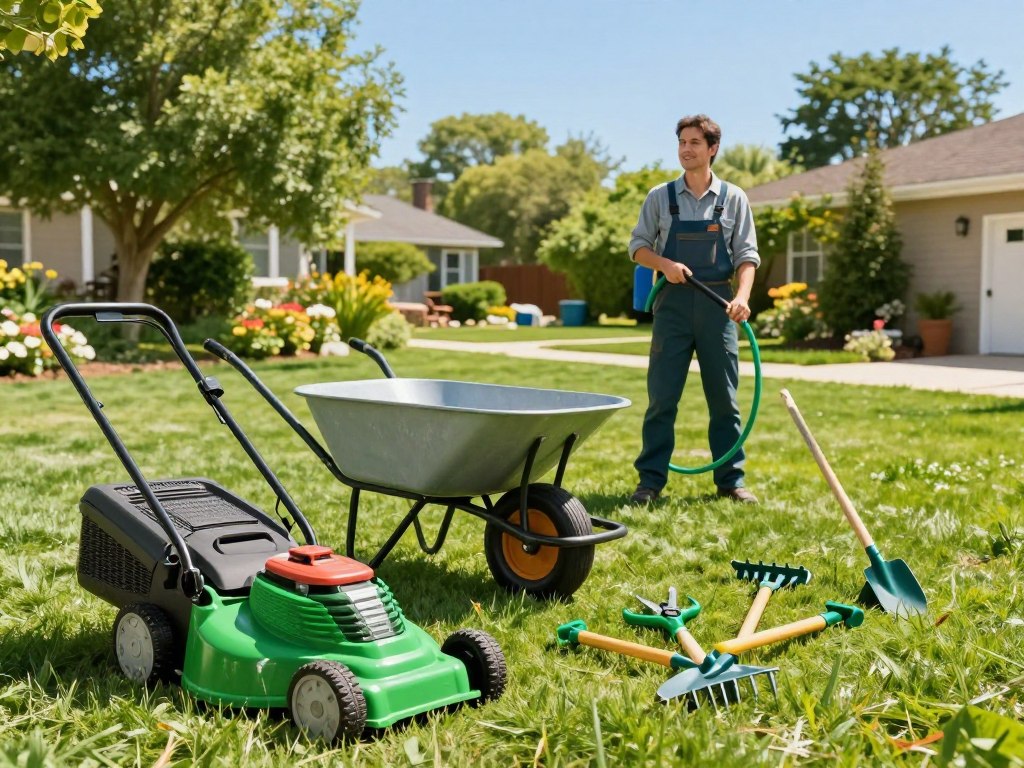
Proper lawn care begins with selecting gear that matches your specific property needs. Equipping yourself with the right items allows you to maintain a professional-looking landscape without unnecessary physical strain. Choosing the correct tools will save you time and energy during your weekly maintenance routine.
Must-Have Lawn Care Equipment
Every homeowner should start with a few foundational pieces of equipment. A reliable lawn mower is the most critical investment for keeping your grass at an ideal height. You will also benefit from a string trimmer to clean up edges near fences and flower beds.
A leaf blower is another essential tool for clearing debris from walkways and driveways. These items form the backbone of a successful lawn care strategy. Investing in quality versions of these basics ensures they perform well throughout the growing season.
Hand Tools vs. Power Tools
Deciding between manual and motorized options depends largely on the size of your yard and your physical comfort. Manual tools are often quieter and require less maintenance, while power tools significantly reduce the time spent on larger properties.
| Tool Category | Best For | Primary Benefit | Maintenance Level |
|---|---|---|---|
| Manual Hand Tools | Small yards | Low cost and quiet | Minimal |
| Electric Power Tools | Medium yards | Eco-friendly and light | Moderate |
| Gas-Powered Tools | Large properties | High power and speed | High |
Maintaining Your Lawn Care Equipment
Routine maintenance is the secret to keeping your gear functional for many years. You should sharpen your mower blades at least once per season to ensure a clean cut. Dull blades can tear grass, which leaves your lawn vulnerable to disease.
Always clean your tools after each use to prevent rust and buildup. Check fuel lines and air filters on gas-powered machines before starting your spring chores. By following these simple steps, you protect your investment and ensure your lawn care routine remains efficient and effective.
The Importance of Soil Health
A lush, green lawn starts with the hidden world beneath your feet. While many homeowners focus on the grass blades, the true secret to effective lawn maintenance lies in the quality of the dirt. Healthy soil provides the essential nutrients and structure that grass needs to thrive throughout the seasons.
Testing Your Soil pH
The pH level of your soil determines how well your grass absorbs nutrients. If the soil is too acidic or too alkaline, your fertilizer will not work as intended. You can easily purchase a testing kit from a local garden center to check your levels.
Based on your results, you may need to adjust the balance to ensure your lawn maintenance efforts pay off. Use the following guide to understand your pH results:
| pH Level | Soil Condition | Recommended Action |
|---|---|---|
| Below 6.0 | Acidic | Apply lime |
| 6.0 – 7.0 | Neutral | No action needed |
| Above 7.0 | Alkaline | Apply sulfur |
Soil Amendments for Optimal Growth
Once you know your pH, you can add amendments to improve the environment for your grass. Adding organic matter like compost helps create a rich, fertile base. This practice is a cornerstone of professional garden care because it improves water retention and drainage.
Deep root growth depends on loose, aerated soil. If your ground is compacted, consider adding gypsum or organic compost to break up the density. These simple steps ensure your lawn stays resilient against heat and drought.
Understanding Soil Composition
Soil is generally made up of three primary particles that dictate how it holds water and nutrients. Knowing your specific soil type helps you tailor your garden care routine for better results.
- Sand: Drains water quickly but loses nutrients fast.
- Silt: Holds moisture well and feels smooth to the touch.
- Clay: Retains nutrients but can become very compacted over time.
Most healthy lawns thrive in a balanced mix of these three components. By understanding what lies beneath your grass, you can create a sustainable environment that supports long-term growth and beauty.
Mowing Techniques for a Thriving Lawn
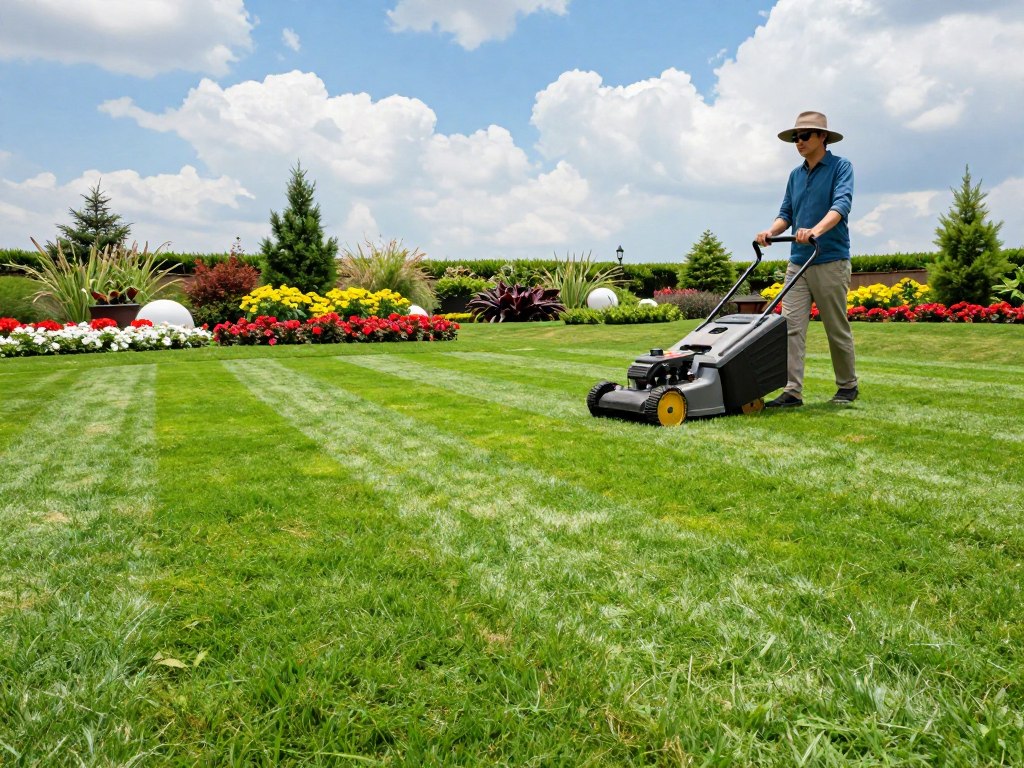
Achieving a lush, vibrant lawn starts with mastering the art of the cut. Proper lawn maintenance is more than just keeping the grass short; it is a vital practice that influences the density and overall health of your turf. By following specific techniques, you can create a resilient yard that stands up to environmental stress.
Mowing Height and Frequency
Maintaining the correct height is crucial for effective grass care. You should never remove more than one-third of the grass blade in a single session, as this can shock the plant and lead to thinning. Keeping your grass slightly taller during hot summer months helps shade the soil, which prevents moisture loss and discourages weed encroachment.
The frequency of your lawn mowing depends on the growth rate of your specific grass type. During peak growing seasons, you may need to mow weekly to keep the turf healthy. Follow these general guidelines for success:
- Always keep your mower blades sharp to ensure a clean cut.
- Adjust your deck height based on the season and grass variety.
- Avoid mowing when the grass is wet to prevent clumping and disease.
Best Mowers for Different Lawn Sizes
Choosing the right equipment makes your lawn maintenance routine much more efficient. The size of your property often dictates the type of machine that will provide the best results. For smaller urban yards, a manual reel mower or a compact electric walk-behind mower is usually sufficient.
Larger properties require more power to manage the workload effectively. Consider the following options based on your specific needs:
| Lawn Size | Recommended Mower | Key Advantage |
|---|---|---|
| Small (Under 1/4 acre) | Reel or Electric Push | Quiet and eco-friendly |
| Medium (1/4 to 1/2 acre) | Self-Propelled Rotary | Reduces physical effort |
| Large (Over 1/2 acre) | Riding or Zero-Turn | Saves significant time |
The Benefits of Mulching Grass Clippings
Many homeowners bag their clippings, but leaving them on the lawn is actually a superior form of grass care. Mulching clippings allows them to decompose quickly, returning essential nitrogen and nutrients back into the soil. This process acts as a natural fertilizer, reducing the need for synthetic products throughout the year.
When you mulch, you are essentially recycling organic matter to feed your lawn. This practice supports a healthier root system and improves the soil structure over time. As long as you mow frequently enough that the clippings are small, they will disappear into the turf canopy within a day or two.
Watering Wisely: Timing and Techniques
Mastering the art of watering is essential for any homeowner looking to improve their lawn maintenance routine. Providing the right amount of moisture at the correct time ensures your turf stays resilient against heat and drought. Proper grass care is not just about volume; it is about consistency and precision.
Best Times to Water Your Lawn
The most effective time to water your grass is during the early morning hours, typically between 5:00 AM and 9:00 AM. Watering at this time allows the moisture to soak deep into the root zone before the sun causes significant evaporation. This practice also helps prevent fungal growth, as the blades have plenty of time to dry out during the day.
Understanding Sprinkler Systems
Modern irrigation technology has made lawn maintenance much more efficient for the average homeowner. Whether you use a simple oscillating sprinkler or a complex in-ground system, the goal is uniform coverage. You should regularly inspect your sprinkler heads to ensure they are not blocked by debris or misaligned, which can lead to dry patches.
- Check for leaks in hoses and connections to save water.
- Adjust your timer based on local weather forecasts and seasonal needs.
- Use a rain gauge to measure exactly how much water your lawn receives.
Signs of Over or Under Watering
Your lawn will often communicate its needs through visual cues if you know what to look for. Under-watered grass often takes on a dull, bluish-gray tint and may begin to wilt or curl. Conversely, over-watered grass might appear yellow or spongy, and you may notice an increase in moss or weed growth.
To maintain high-quality grass care, always check the soil moisture before turning on the tap. If the soil feels damp several inches down, your lawn likely has enough hydration for the day. Balancing these factors will keep your yard looking lush and healthy throughout the growing season.
Fertilizing for Green Growth
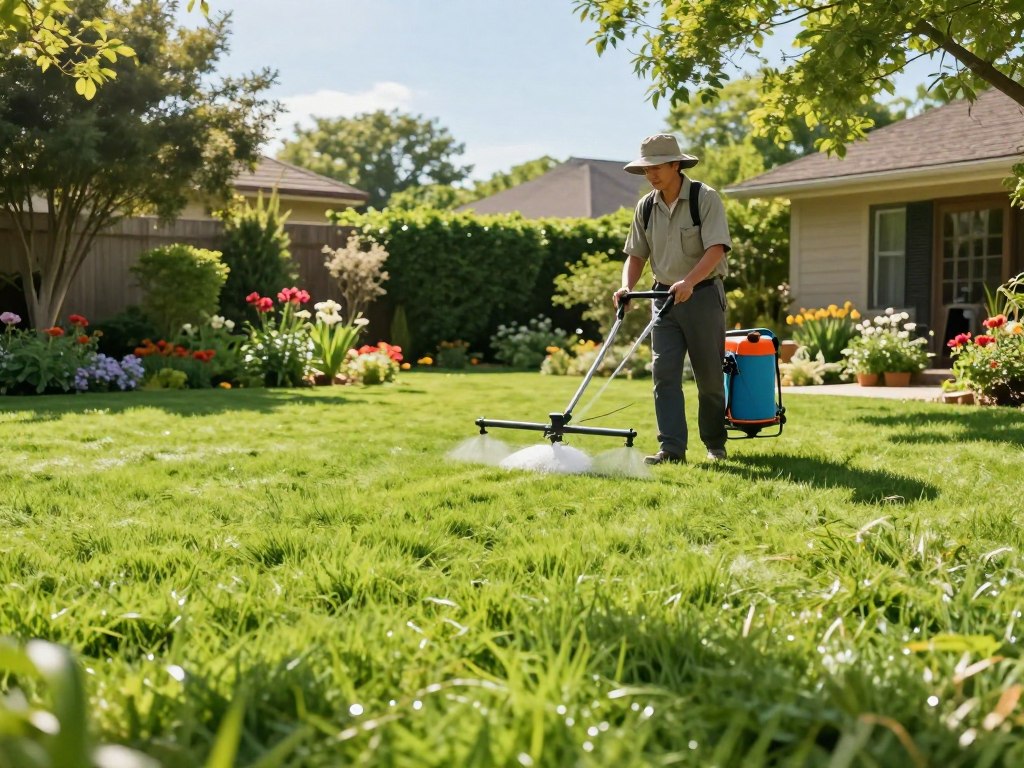
Achieving a lush, vibrant lawn requires more than just water and sunlight; it demands a consistent feeding schedule. While many homeowners manage basic maintenance, professional fertilization services provide the essential macronutrients needed for vigorous, green growth throughout the active season. By supplying these nutrients, you ensure your grass remains resilient against environmental stressors.
Types of Lawn Fertilizers
Choosing the right product is the first step toward a healthier yard. Fertilizers generally fall into two main categories, each offering distinct advantages for your soil health.
- Granular Fertilizers: These are solid pellets that release nutrients slowly over time, providing a steady supply of food to the roots.
- Liquid Fertilizers: These provide an immediate nutrient boost, making them ideal for quick green-up or addressing specific deficiencies.
Understanding N-P-K Ratios
Every bag of fertilizer features three bold numbers, known as the N-P-K ratio. These numbers represent the percentage of Nitrogen, Phosphorus, and Potassium contained in the mix.
| Nutrient | Primary Benefit | Growth Impact |
|---|---|---|
| Nitrogen (N) | Leaf Growth | Deep Green Color |
| Phosphorus (P) | Root Development | Stronger Foundation |
| Potassium (K) | Overall Health | Disease Resistance |
When and How to Fertilize Your Lawn
Timing is everything when it comes to feeding your grass. You should apply fertilizer when the grass is actively growing, typically during the spring and early fall months. Avoid fertilizing during the peak heat of summer, as this can stress the plants.
When applying, ensure you use a broadcast spreader for even coverage to prevent patchy growth. If you are unsure about your specific soil needs, local fertilization services can perform a soil test to create a custom feeding plan. Consistent application ensures your lawn stays thick, healthy, and beautiful all year long.
Weed Control Strategies
Effective weed control is the secret weapon for homeowners who want a pristine, uniform lawn. Invasive plants compete with your grass for essential nutrients, water, and sunlight. By staying ahead of these intruders, you can maintain a thick, healthy turf that naturally resists future growth.
Identifying Common Lawn Weeds
The first step in any management plan is knowing what you are fighting. Broadleaf weeds, such as dandelions and clover, are easily spotted by their wide, flat leaves and distinct flowers. These plants often spread through seeds that travel on the wind.
Grassy weeds, like crabgrass or nimblewill, are much harder to distinguish because they look similar to your actual lawn. They often grow in patches and can quickly choke out your desired grass species. Learning to spot these early is key to preventing a full-scale infestation.
Organic vs. Chemical Weed Control
Choosing the right approach depends on your personal preferences and the severity of the problem. Organic methods often involve manual removal, corn gluten meal, or vinegar-based sprays. These are safer for pets and children but may require more frequent application to be effective.
Chemical solutions offer a more aggressive way to handle stubborn infestations. Selective herbicides target specific weeds without harming your grass, while non-selective options kill everything they touch. Always read the label carefully to ensure you are using the product safely and effectively.
Pre-Emergent vs. Post-Emergent Solutions
Timing is everything when it comes to professional-grade weed control. Pre-emergent products create a barrier in the soil that stops seeds from germinating in the first place. You must apply these before the soil temperature rises in the spring to catch crabgrass before it sprouts.
Post-emergent solutions are designed to kill weeds that have already broken through the surface. These work best when the plant is actively growing and can absorb the treatment through its leaves. Using a combination of both strategies provides the best defense for your lawn throughout the year.
| Strategy | Best Use Case | Primary Benefit |
|---|---|---|
| Manual Removal | Small infestations | Zero chemical exposure |
| Pre-Emergent | Early spring | Prevents future growth |
| Post-Emergent | Active weeds | Immediate visible results |
| Organic Sprays | Spot treatment | Environmentally friendly |
Combatting Lawn Disease
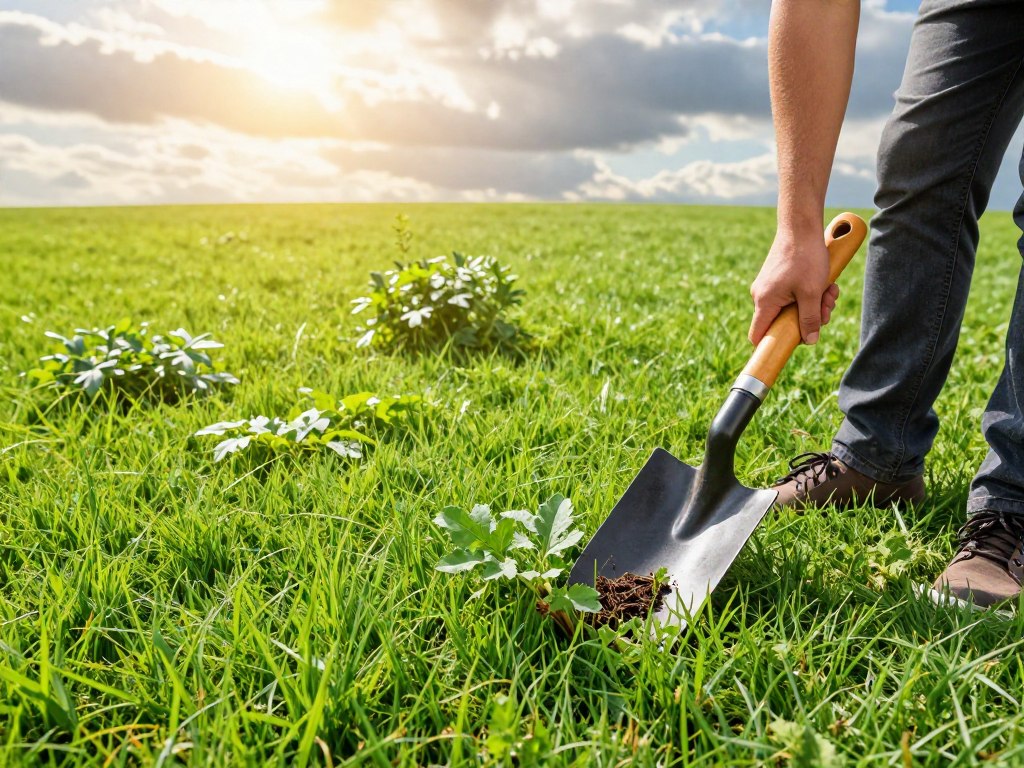
A beautiful lawn is often the target of invisible pathogens that can spread rapidly across your yard. Fungal infections can devastate your turf if you do not catch them early. By staying observant, you can protect your grass from lasting damage.
Common Lawn Diseases and Their Symptoms
Identifying the signs of trouble is the first step in saving your lawn. Many diseases present with specific visual cues that you can spot during your weekly maintenance routine.
- Brown Patch: Look for irregular, circular patches of light brown or tan grass that often appear during hot, humid weather.
- Dollar Spot: This manifests as small, silver-dollar-sized spots of bleached grass that may merge into larger areas.
- Powdery Mildew: You might notice a white, dusty coating on the leaf blades, especially in shaded areas with poor airflow.
Preventative Measures to Take
The best way to manage disease is to stop it before it starts. Proper lawn care habits create an environment where grass thrives and pathogens struggle to survive. Integrating effective weed control into your schedule also reduces competition for nutrients, keeping your grass stronger.
Focus on moisture management by watering early in the morning. This allows the blades to dry out during the day, preventing the damp conditions that fungi love. Additionally, ensure your lawn has good airflow by pruning back overhanging branches.
Treatment Options for Affected Lawns
If you find an active infection, you must act quickly to stop the spread. Cultural changes are often the first line of defense, but chemical intervention may be necessary for severe cases.
| Method | Action | Benefit |
|---|---|---|
| Cultural | Adjust mowing height | Reduces stress on grass |
| Chemical | Apply fungicide | Stops active fungal growth |
| Maintenance | Consistent weed control | Improves overall turf vigor |
Always follow the label instructions when applying any treatment to your yard. Combining these steps with a solid weed control plan will help your lawn recover and stay resilient throughout the growing season.
Aerating Your Lawn for Health
Soil compaction often acts as a silent barrier that keeps your lawn from reaching its full potential. Over time, foot traffic and heavy equipment compress the earth, preventing essential water, air, and nutrients from reaching the root zone. Professional landscaping services often prioritize this process to ensure long-term turf vitality.
Benefits of Lawn Aeration
The primary goal of aeration is to relieve pressure in the soil by creating small holes or removing plugs. This simple action allows oxygen to penetrate deep into the ground, which stimulates vigorous root development. You will notice that your grass becomes more resilient to heat and drought once the soil structure is improved.
Furthermore, aeration enhances the effectiveness of fertilizers and water. By opening up the soil, these vital resources can reach the roots directly rather than running off the surface. Many homeowners find that their lawn recovers much faster from seasonal stress after a thorough aeration treatment.
Best Tools for Aeration
Choosing the right equipment depends on the size of your yard and the severity of the compaction. For smaller areas, a manual hand-held core aerator is often sufficient to get the job done. These tools remove small cylinders of soil, which is far more effective than simply poking holes with a spike.
For larger properties, renting a gas-powered core aerator is the most efficient choice. These machines handle heavy-duty work quickly and ensure consistent depth across your entire landscape. If you prefer not to handle the machinery yourself, local landscaping services offer specialized equipment to manage the task for you.
| Aeration Method | Best For | Effort Level |
|---|---|---|
| Manual Core Aerator | Small Lawns | High |
| Gas-Powered Aerator | Large Lawns | Medium |
| Professional Service | All Sizes | Low |
When to Aerate Your Lawn
Timing is critical to ensure your grass recovers quickly and thrives after the process. For cool-season grasses, the best time to aerate is during the early fall or spring when the turf is actively growing. This allows the grass to fill in the holes before extreme temperatures arrive.
Warm-season grasses, on the other hand, should be aerated in late spring or early summer. You want to perform this task when the grass is at its peak growth phase to maximize recovery. Consulting with experts in landscaping services can help you determine the perfect window for your specific region and grass variety.
Seasonal Lawn Care Tips
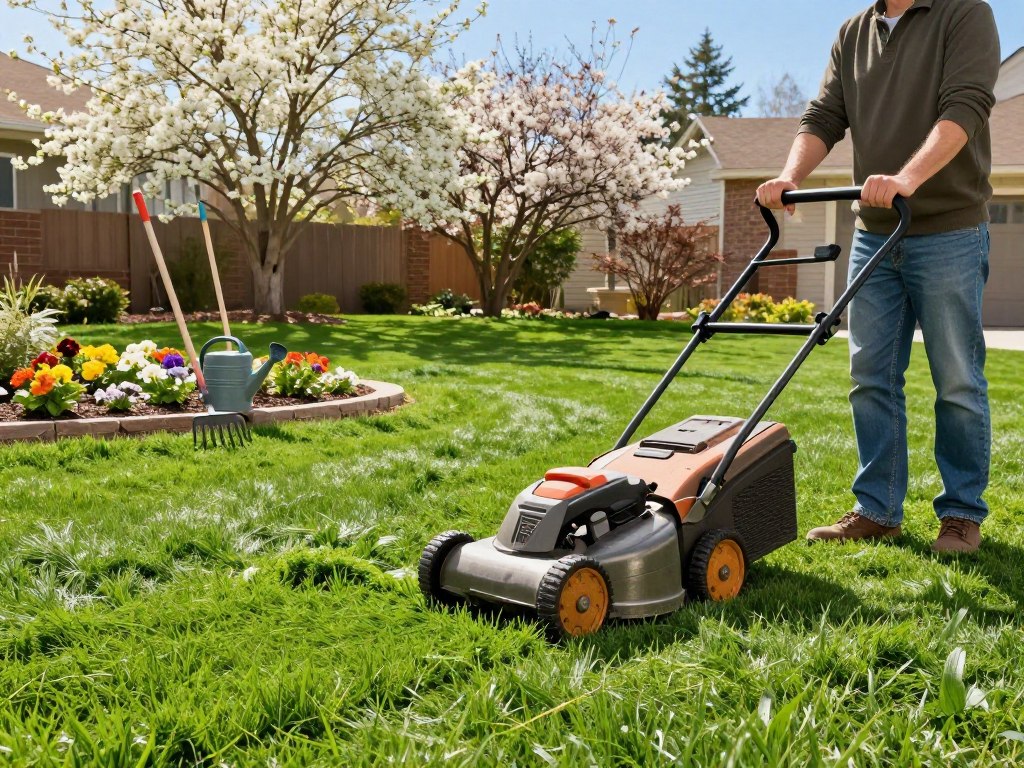
Achieving a lush, green yard is a year-round commitment that shifts with the weather. A successful lawn requires a proactive approach that changes with the seasons to address specific environmental stressors. By following a consistent calendar, you can ensure your turf remains vibrant and healthy throughout the entire year.
Preparing Your Lawn for Winter
As temperatures drop, your grass begins to prepare for dormancy. Completing a thorough yard cleanup is essential during this time to remove fallen leaves and debris that could smother the soil. Clearing these items prevents mold growth and ensures that your lawn enters the winter months in the best possible condition.
Spring Lawn Care Essentials
When the frost finally melts, your focus should shift toward revitalizing the soil. Spring is the ideal time for dethatching, which removes the layer of dead organic matter that builds up over the winter. Proper lawn maintenance during these early months sets the stage for strong root development and thick, green growth.
- Perform a soil test to check nutrient levels.
- Apply a pre-emergent treatment to stop weeds early.
- Begin your regular lawn mowing schedule once the grass starts growing actively.
Summer Maintenance Practices
Summer brings heat and potential drought, which requires careful management to keep your grass from burning. Adjusting your lawn mowing height to a taller setting helps shade the soil and retain moisture. Consistent lawn maintenance during the hottest weeks will protect your turf from stress and keep it looking its best.
| Season | Primary Task | Goal |
|---|---|---|
| Spring | Dethatching | Improve airflow |
| Summer | Height adjustment | Moisture retention |
| Fall | Yard cleanup | Disease prevention |
Remember that your yard cleanup efforts in the fall and your dedication to proper lawn mowing in the summer are equally important. Staying consistent with these seasonal habits will pay off with a beautiful, resilient lawn that stands out in your neighborhood.
Eco-Friendly Lawn Care Practices
Transforming your yard into an eco-friendly sanctuary is easier than you might think. By shifting your focus toward sustainable methods, you can maintain a beautiful outdoor space while protecting the local environment. These habits often simplify your routine and lead to a more resilient landscape over time.
Benefits of Organic Lawn Care
Organic lawn care prioritizes the health of the soil rather than just the appearance of the grass. By avoiding synthetic chemicals, you create a safer environment for your family, pets, and local wildlife. This approach fosters a balanced ecosystem where beneficial insects and microorganisms can thrive.
Many homeowners find that organic methods lead to deeper root systems and stronger turf. When you invest in high-quality organic products, you are building a foundation for long-term growth. Professional landscaping services can often provide guidance on transitioning your lawn to an organic maintenance schedule.
Using Native Plants in Your Landscape
Incorporating native plants is a smart way to reduce your water usage significantly. Because these species are adapted to your local climate, they require less supplemental irrigation and fewer fertilizers. They also provide essential food and shelter for local pollinators like bees and butterflies.
When planning your garden care strategy, consider replacing high-maintenance turf areas with native flower beds or shrubs. This shift not only adds visual interest but also lowers the time you spend on constant maintenance. Many local experts in landscaping services now specialize in designing these sustainable, low-impact gardens.
The Role of Composting in Lawn Care
Composting is a powerful tool for improving soil structure naturally. By recycling organic waste, you create a nutrient-rich amendment that feeds your lawn and garden beds. This process turns your routine yard cleanup into a valuable resource for your soil.
Adding compost helps sandy soil retain moisture and improves drainage in heavy clay soils. It is a simple way to boost the health of your plants without relying on chemical additives. Integrating compost into your regular garden care and yard cleanup routine ensures your landscape stays vibrant throughout the seasons.
| Feature | Traditional Care | Organic Care |
|---|---|---|
| Soil Health | Minimal focus | High priority |
| Chemical Use | High usage | None to minimal |
| Water Needs | High | Low to moderate |
| Sustainability | Low | High |
Hiring Professional Lawn Care Services
Achieving a lush, vibrant yard requires significant time and physical effort. Sometimes the best way to maintain a perfect lawn is to partner with experts who possess the right equipment and specialized knowledge.
Deciding When to Outsource
You might consider professional help if your schedule remains packed or if your yard requires complex maintenance tasks. Reliable landscaping services can manage demanding chores like soil balancing and pest management. CX Pest Solutions provides expert advice on maintaining vibrant lawns for homeowners who want professional results without the stress.
Selecting a Quality Provider
Look for companies with a proven track record and positive local reviews. A reputable team will offer clear communication regarding their methods and expected outcomes. Ask about their specific experience with local grass types to ensure they understand your unique environment.
Understanding Service Costs
Budgeting for professional help varies based on the size of your property and the frequency of visits. Basic fertilization services often start at a modest price point, while comprehensive packages cover everything from aeration to weed control. Investing in these services saves you money on equipment repairs and trial-and-error products over time. Reach out to local pros today to start your journey toward a healthier, greener outdoor space.