
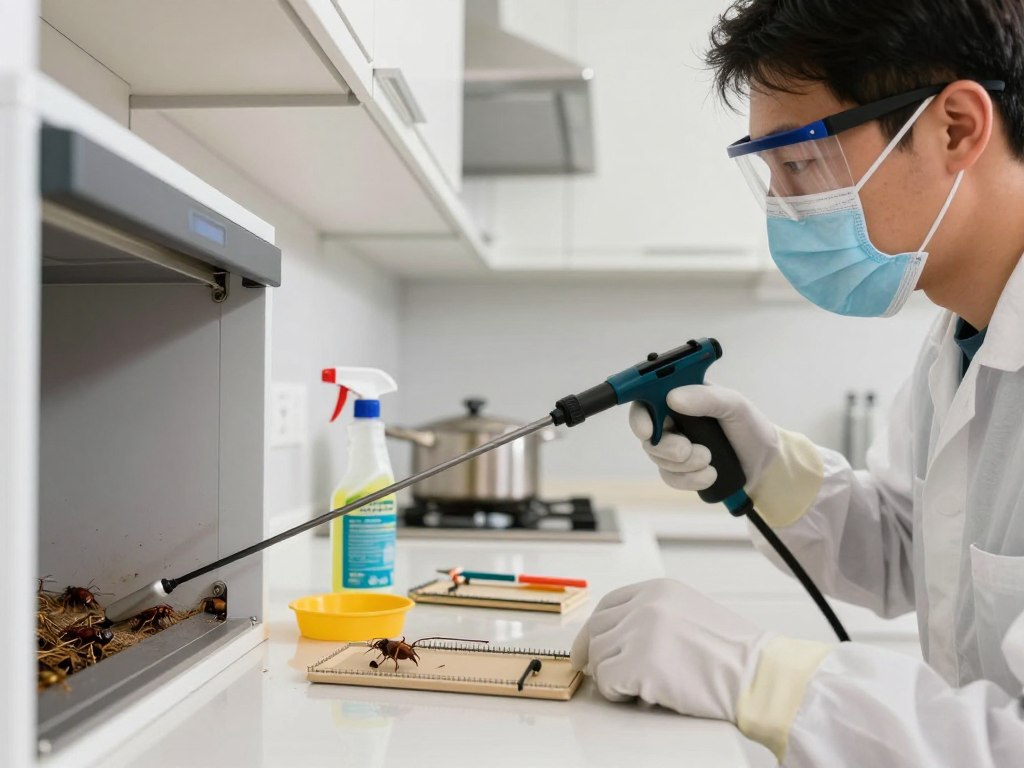
Have you ever wondered if your kitchen is truly as clean as it looks, or are hidden guests lurking just out of sight? Dealing with unwanted pests is a stressful experience that no homeowner wants to face alone. Effective roach control is essential for maintaining a healthy living environment, preventing infestations from spreading, and protecting your home from the health risks and damage that cockroaches can cause.
Taking immediate action is vital for maintaining a healthy living environment for your family. When you notice signs of an issue, acting fast prevents the situation from spiraling out of hand.
At CX Pest Solutions, we provide the expert guidance necessary to navigate the complexities of home pest control effectively. Our team offers friendly support to ensure you feel confident throughout the entire removal process.
Key Takeaways
- Early detection is the most effective way to stop a pest problem from growing.
- Maintaining a clean kitchen helps deter unwanted visitors from settling in.
- CX Pest Solutions offers professional advice to simplify your removal strategy.
- Acting quickly protects your home environment and your peace of mind.
- Local expert support makes managing household pests much less overwhelming for homeowners.
Understanding Roach Behavior
Understanding the hidden habits of roaches is essential for any successful pest management strategy. These insects are masters of survival, constantly seeking environments that provide the basic necessities for their growth and reproduction.
By learning what attracts them to your property, you can take proactive steps to discourage their presence. Effective pest management relies on knowing exactly what these creatures need to thrive.
Why Do Roaches Invade Homes?
Roaches are primarily driven by the search for food, water, and shelter. Your home offers a perfect climate-controlled environment that protects them from harsh outdoor weather conditions.
Even the cleanest homes can provide enough crumbs or moisture to sustain a small population. They are particularly attracted to areas with high humidity, such as kitchens and bathrooms, where water sources are readily available.
Common Roach Species in the U.S.
Identifying the specific type of roach in your home is a vital part of your pest management plan. Different species have unique preferences and behaviors that dictate how they should be handled.
- German Cockroaches: These are small, light brown, and often found in kitchens or bathrooms.
- American Cockroaches: Known for their large size, these roaches prefer damp, dark areas like basements or sewers.
- Oriental Cockroaches: These dark, shiny roaches thrive in cool, damp environments and are often found outdoors or in crawl spaces.
Roach Life Cycle and Habits
Roaches are nocturnal creatures, meaning they are most active while you are asleep. This behavior allows them to forage for food without being detected by humans.
Their life cycle consists of three stages: egg, nymph, and adult. Because they reproduce rapidly, a small sighting can quickly turn into a full-blown infestation if left unaddressed.
Understanding these biological patterns is the cornerstone of professional pest management. By disrupting their ability to hide and breed, you can significantly reduce their population over time.
Signs of a Roach Infestation
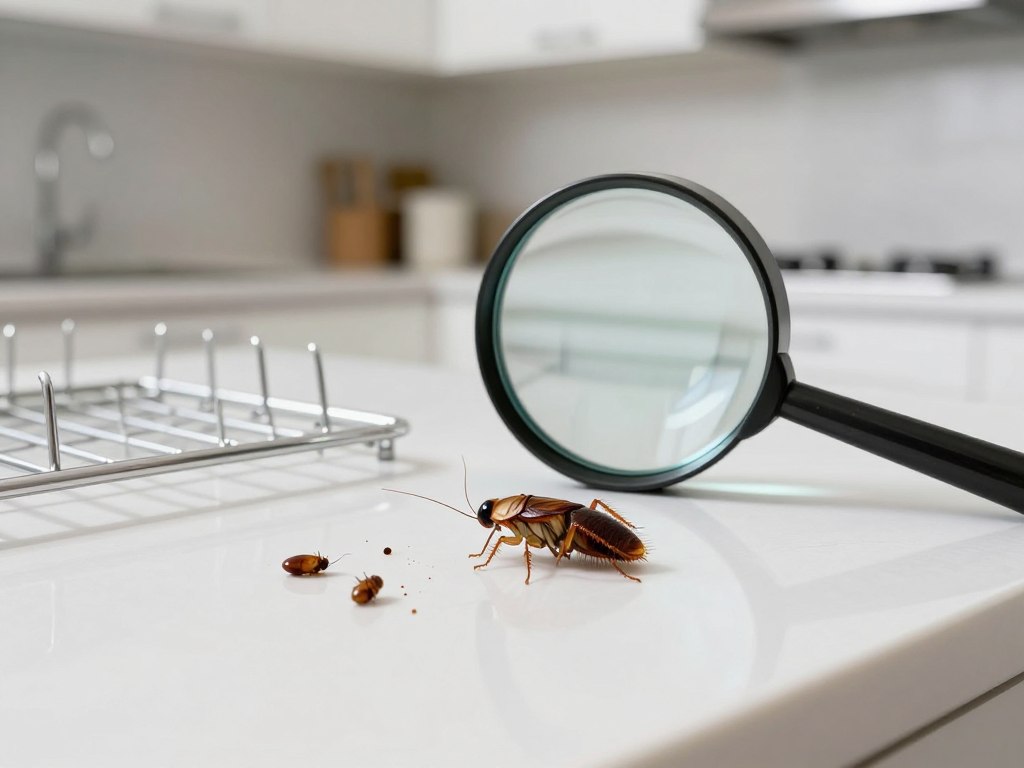
Identifying the early warning signs of an infestation is a critical skill for every homeowner. Catching these pests before they multiply is the foundation of effective home pest control. By staying observant, you can stop a small problem from turning into a full-blown crisis.
Visual Indicators of Roaches
Roaches are nocturnal creatures that prefer dark, damp environments. You are most likely to spot them in areas like under the kitchen sink, behind appliances, or inside dark pantry corners. If you see a roach during the day, it often suggests that the nesting area is overcrowded.
Beyond live sightings, look for shed skins. As roaches grow, they molt and leave behind translucent, papery shells. Finding these skins in your cabinets or drawers is a clear indicator that a population is thriving nearby.
Unpleasant Odors to Watch For
A significant infestation often produces a distinct, musty odor. This smell comes from pheromones that roaches release to communicate with one another. As the population grows, the scent becomes stronger and more noticeable to humans.
If you detect a persistent, oily, or musky smell in your kitchen or bathroom, do not ignore it. This scent can linger on surfaces and even affect the smell of your food. It is often one of the first signs that you need to take action.
Roach Droppings and Egg Cases
Physical evidence is the most reliable way to confirm an infestation. You should regularly inspect hidden areas for signs of waste and reproduction. Keeping a close eye on these indicators is a vital part of your home pest control strategy.
- Droppings: These look like small black pepper flakes or coffee grounds. You will typically find them in drawers, under sinks, or along baseboards.
- Egg Cases: Known as oothecae, these are small, pill-shaped capsules. They may be found glued to hidden surfaces or tucked away in dark crevices.
- Smear Marks: In areas with high activity, you might notice dark, irregular stains on walls or corners where roaches travel frequently.
If you find these signs, it is time to begin a thorough cleaning and treatment plan. Early detection allows you to address the issue before it spreads to other parts of your house.
Effective Roach Control Strategies
CX Pest Solutions believes that the best way to handle unwanted visitors is through a multi-faceted strategy. By combining physical barriers with targeted chemical treatments, homeowners can achieve lasting results. This comprehensive approach ensures that you utilize the most effective pest control methods to regain your living space.
Prevention Measures for Homes
The first line of defense in any home is proactive insect prevention. You should start by sealing cracks in walls, baseboards, and around plumbing fixtures where pests often enter. Keeping your home dry and free of standing water also makes your property much less attractive to invaders.
Regularly inspecting your home for potential entry points is a vital habit. By blocking these small gaps, you create a physical barrier that stops pests before they settle in. This simple step significantly reduces the need for heavy chemical intervention later on.
Best Practices for Roach Extermination
When an infestation is already present, active cockroach extermination becomes necessary. It is important to use high-quality baits that target the entire colony rather than just the visible insects. Placing these baits in dark, secluded areas where pests hide will yield the best results.
Consistency is key when applying these treatments. You must follow the product instructions carefully to ensure the safety of your family and pets. Proper roach control requires patience, as it often takes time for the treatment to cycle through the entire population.
Integrating Natural Remedies
Many homeowners prefer to supplement their efforts by integrating natural remedies alongside traditional solutions. Essential oils like peppermint or cedarwood can act as mild deterrents when used in specific areas. However, these should be viewed as a support system rather than a standalone cure for a large infestation.
Combining these natural options with professional-grade products creates a balanced environment. This hybrid strategy is often the most successful way to manage pests while minimizing the use of harsh chemicals. By staying diligent, you can maintain a clean and healthy home for your family.
How to Prepare for Roach Treatment
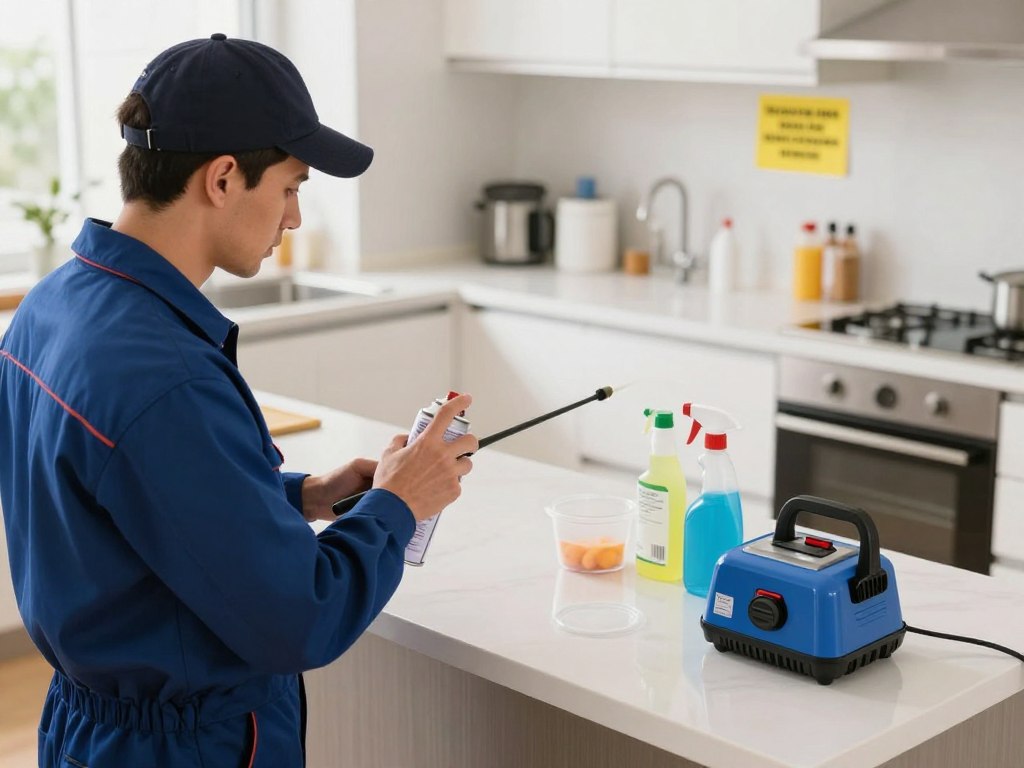
Getting your home ready for a roach infestation treatment requires a bit of elbow grease and careful planning. Proper preparation ensures that your chosen products reach the pests effectively while keeping your family and pets safe. By taking these steps, you create an environment where your chosen solution can work at its best.
Assessing Your Infestation Severity
Before you begin, take a moment to look for signs of where the pests are hiding. Check dark, damp areas like under the kitchen sink, behind the refrigerator, and inside pantry cabinets. Identifying the scale of the problem helps you decide if you can handle it alone or if you need extra help.
Keep a simple log of where you see the most activity. This information is vital for a successful roach infestation treatment. Knowing the hotspots allows you to place baits or traps exactly where they will do the most good.
Cleaning and Decluttering Your Space
Roaches thrive in cluttered areas because these spots provide plenty of hiding places. Start by clearing out old boxes, newspapers, and unused items from your storage areas. A clean, organized space makes it much harder for pests to find a place to nest.
Deep-cleaning your kitchen is the next essential step. Scrub away grease and food crumbs from countertops, stovetops, and behind appliances. Removing these food sources makes your roach infestation treatment much more effective because the pests will be more likely to seek out your bait.
Securing Food and Garbage
Once you have cleaned, you must prevent new food sources from appearing. Store all pantry items in airtight containers made of glass or hard plastic. This simple change denies roaches easy access to their favorite snacks.
Managing your waste is just as important as storing your food. Follow these tips to keep your home secure:
- Use trash cans with tight-fitting lids to trap odors.
- Take the garbage out every night to prevent overnight scavenging.
- Wipe down the inside of your trash bin regularly to remove spills.
Consistent habits will support your roach infestation treatment and help keep your home pest-free for the long term. By securing your food and waste, you effectively starve the remaining pests and speed up the recovery of your living space.
Professional Pest Control Options
When your own efforts fail to stop an infestation, it is time to consider professional pest removal. While many homeowners start with store-bought traps, some situations require a more aggressive approach. Effective pest management often relies on specialized tools and knowledge that only experts possess.
When to Call in the Experts
You should reach out for help if you continue to see roaches during the day. Daytime sightings often indicate a large, hidden population that has run out of space. If you have tried multiple DIY methods for several weeks without success, the infestation is likely too deep for standard treatments.
Persistent droppings or a lingering musty odor are also clear warning signs. These indicators suggest that the roaches have established strong nesting sites within your walls or appliances. In these cases, professional intervention is the most logical choice to regain control of your home.
What to Expect from Pest Control Services
A professional service visit begins with a thorough inspection of your property. Technicians look for entry points and hidden harborages that you might have missed. They use this data to create a targeted plan that addresses the root cause of the problem.
You can expect the team to use high-grade baits and growth regulators that are safer for your family. They will also provide guidance on how to keep your home protected after the treatment. This comprehensive approach ensures that the roaches are eliminated effectively and stay away.
Cost Considerations for Roach Control
The price of professional services varies based on the size of your home and the severity of the issue. Many homeowners worry about hidden fees, but reputable companies prioritize clear communication. CX Pest Solutions offers transparent pricing and professional assessments for those who need expert help.
Investing in professional services often saves money in the long run by preventing recurring damage. When evaluating your options, consider the following factors that influence total costs:
- The total square footage of the treated area.
- The number of follow-up visits required for total eradication.
- The specific types of treatment methods used by the technicians.
- The level of sanitation support needed to maintain a roach-free environment.
DIY Roach Control Methods
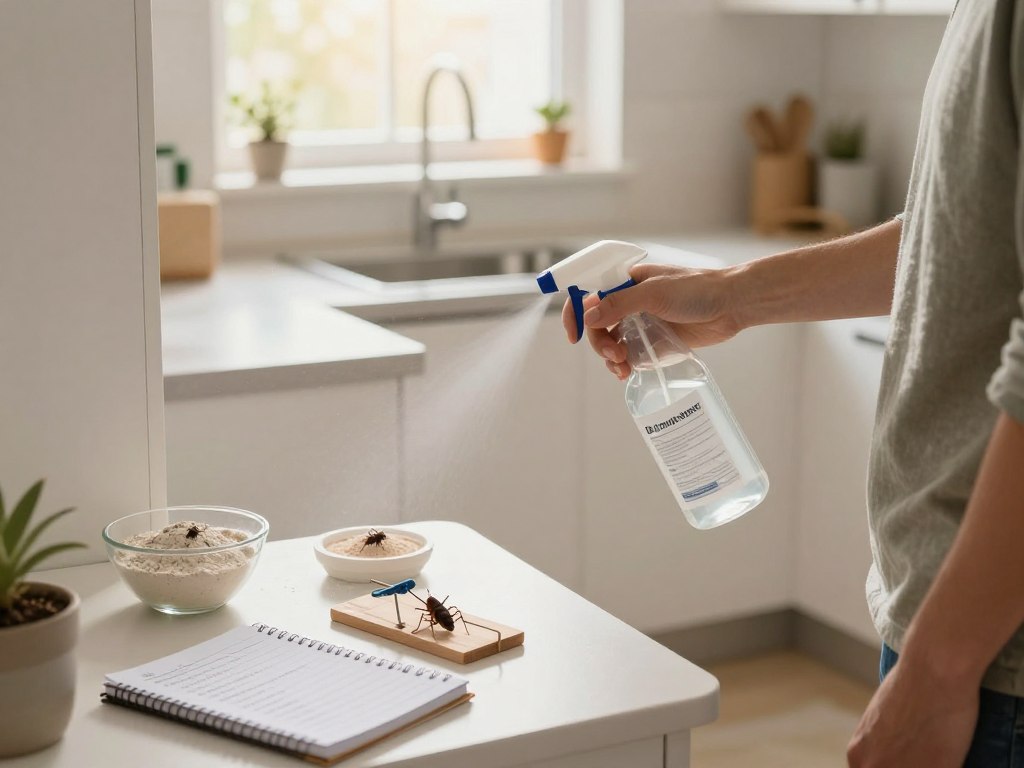
Tackling a minor infestation at home often starts with reliable DIY strategies. When you catch a problem early, you can often manage the population without needing immediate professional help. Using the right tools allows you to regain comfort in your living space quickly.
Using Baits and Traps Effectively
Baits are among the most effective pest control methods for small colonies. Unlike sprays that only kill on contact, baits allow foraging roaches to carry poison back to their nests. This process helps eliminate the entire colony over time.
For the best results, place bait stations in areas where you have seen activity, such as under sinks or behind appliances. Avoid placing them in open areas where they might be disturbed. Consistency is key, so check your traps weekly and replace them if they become empty or dusty.
Homemade Solutions for Roach Control
Many homeowners prefer simple, natural mixtures to supplement their roach control efforts. These solutions are often easy to prepare with common household items. While they may not replace professional cockroach extermination for large infestations, they work well for minor issues.
- Boric acid mixed with a small amount of sugar can act as a slow-acting stomach poison.
- Diatomaceous earth is a natural powder that dehydrates pests upon contact.
- Soapy water in a spray bottle can be used to kill individual roaches instantly.
Proper Use of Insecticides
When you choose to use store-bought insecticides, safety must be your top priority. Always read the product label carefully before application to ensure you are using the chemical correctly. Proper ventilation is essential when applying any liquid or aerosol treatment in your home.
Focus your efforts on cracks and crevices where roaches hide during the day. Do not over-apply these products, as excessive use can be harmful to pets and family members. Following these steps will help you achieve successful cockroach extermination while keeping your home environment safe.
Importance of Sanitation in Roach Control
Sanitation serves as the bedrock for any successful strategy to keep your living space pest-free. When you remove the resources that pests need to survive, you make your home a much less attractive target. Consistent cleaning habits are the most reliable form of roach control available to homeowners.
Maintaining a Clean Kitchen Environment
The kitchen is often the primary hub for pest activity because it provides easy access to food and water. You should wipe down counters daily to remove crumbs and spills that might attract unwanted visitors. Storing pantry items in airtight glass or plastic containers prevents pests from accessing your food supply.
Do not forget to check under your appliances, as grease and food particles often accumulate in these hidden spots. Fixing leaky faucets and drying out your sink at night will also limit the moisture that pests crave. These simple steps are vital components of effective roach control in any household.
Managing Waste Properly
Proper waste management is essential to prevent attracting pests into your living areas. Always use trash cans with tight-fitting lids to ensure that odors do not escape and draw in insects. You should empty your kitchen garbage daily, especially during warmer months when activity levels increase.
It is also helpful to rinse out recyclables before placing them in the bin. Sticky soda cans or food jars can provide a feast for pests if they are not cleaned properly. By keeping your waste area tidy, you strengthen your overall roach control efforts.
Long-Term Maintenance Practices
Consistency is the secret to keeping your home free from infestations over the long term. You should establish a weekly cleaning schedule that includes deep cleaning areas like behind the refrigerator and inside cabinets. Regular inspections allow you to catch potential issues before they turn into major problems.
Adopting these habits creates an environment that is naturally resistant to future invaders. When you prioritize cleanliness, you reduce the need for harsh chemicals and professional interventions. Maintaining a disciplined approach to hygiene remains the best way to ensure lasting roach control for your family.
Eco-Friendly Roach Control Alternatives
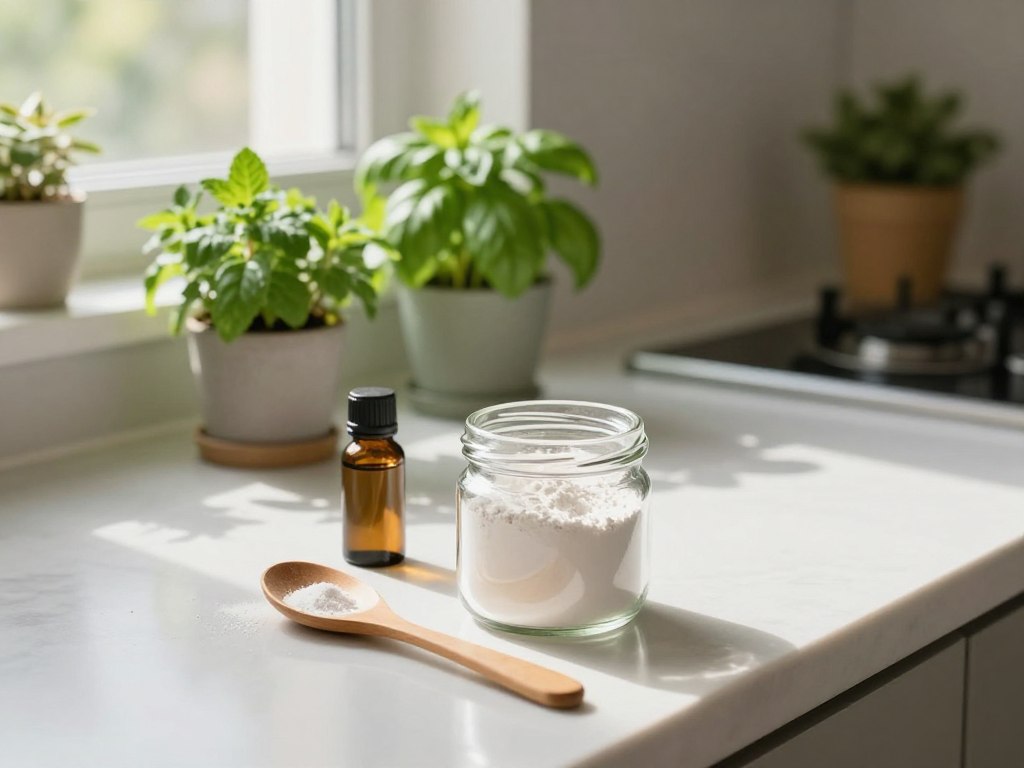
Exploring natural solutions for roach control offers a safer path for families and pets. Many homeowners prefer these greener methods to avoid synthetic chemicals while keeping their living spaces clean. By focusing on prevention and natural deterrents, you can effectively manage your home environment.
Natural Predators to Consider
Nature often provides its own balance when it comes to pest management. Encouraging beneficial insects and small animals around your property can help keep populations in check. For example, spiders and certain types of beetles often hunt roaches in outdoor areas.
While you might not want these predators inside your house, maintaining a healthy garden ecosystem helps prevent pests from migrating indoors. Keeping your yard tidy and free of debris reduces the hiding spots that roaches love.
Plant-Based Repellents
Certain plants and essential oils act as powerful deterrents for unwanted insects. Peppermint oil, bay leaves, and catnip are popular choices for those seeking natural roach control. These items release scents that are pleasant to humans but highly offensive to roaches.
You can place dried herbs in cabinets or use diluted essential oils in spray bottles to treat entry points. These methods provide a non-toxic way to discourage activity without harming the environment. Always ensure these oils are used safely around children and pets.
Sustainable Hygiene Practices
Long-term success relies on consistent, sustainable habits that remove the resources roaches need to survive. Proper waste management is the foundation of any effective strategy. Composting should be kept in sealed containers far from the home foundation to avoid attracting pests.
Using non-toxic, biodegradable cleaners helps maintain a sanitary kitchen without leaving harmful residues behind. Regularly wiping down surfaces and fixing leaky pipes prevents the moisture buildup that roaches crave. These simple changes create a home that is naturally resistant to infestations.
| Method Type | Primary Benefit | Ease of Use |
|---|---|---|
| Essential Oils | Pleasant Aroma | High |
| Natural Predators | Ecological Balance | Medium |
| Sanitation Habits | Long-term Prevention | High |
| Herbal Barriers | Non-toxic Protection | High |
Creating a Roach-Resistant Home
You can transform your living space into a sanctuary that naturally repels unwanted visitors. By building a physical barrier against pests, you ensure they never find a way inside your living area. This proactive approach to home pest control is far more effective than trying to manage an infestation after it has already started.
Sealing Entry Points
Roaches are masters at finding tiny openings to gain access to your kitchen or bathroom. You should inspect your walls for cracks and check the gaps under your doors. Using weather stripping or door sweeps can effectively block these common pathways.
Do not forget to examine areas where utility pipes enter your home. These spots often have small gaps that serve as highways for insects. Filling these voids is a fundamental step in your overall insect prevention strategy.
Choosing Roach-Resistant Materials
When you decide to seal gaps, the materials you choose matter significantly. Some substances are easier for pests to chew through or bypass over time. Consider using these durable options for your repairs:
- Silicone-based caulk for filling small cracks in baseboards.
- Steel wool or copper mesh to stuff around pipe penetrations.
- Expanding foam for larger voids in crawl spaces or attics.
- Metal kick plates to reinforce the bottom of exterior doors.
Regular Maintenance Tips
A truly resistant home requires consistent attention to detail. You should perform a seasonal walkthrough to check for new cracks or damaged seals. This habit keeps your home pest control efforts current and effective throughout the year.
Keep your living environment tidy to support your structural defenses. Proper insect prevention relies on both physical barriers and a clean space that offers no food or water. By staying vigilant, you maintain a secure home that stays free from unwanted pests.
Dealing with Roaches in Unique Spaces
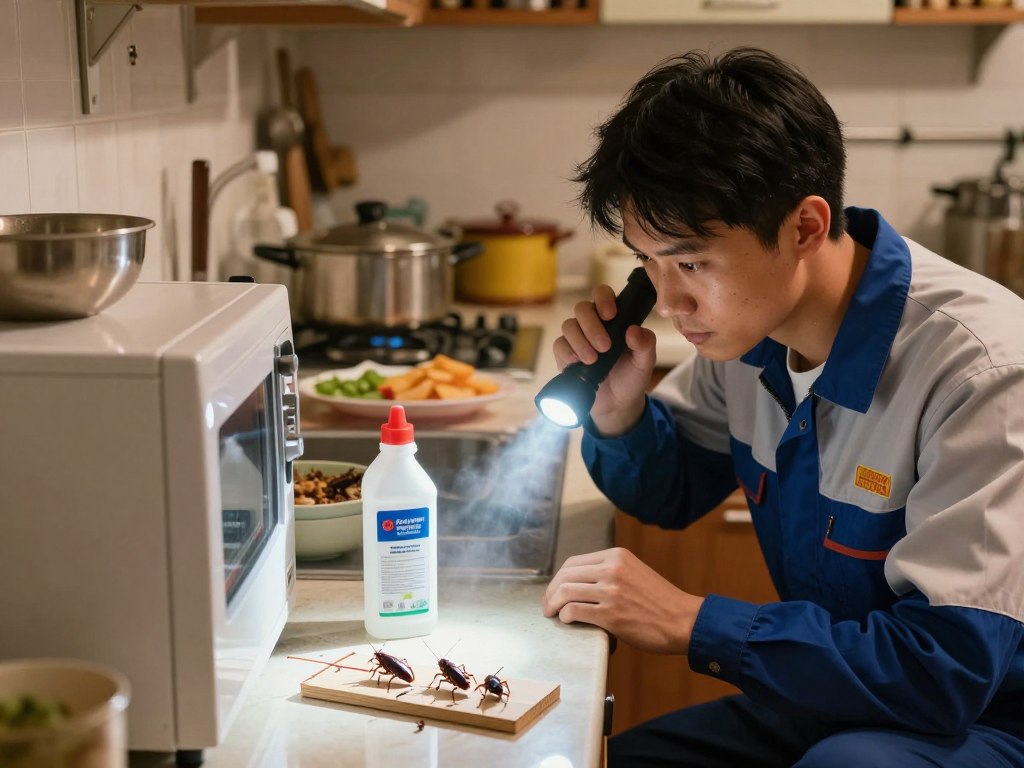
Whether you live in a high-rise or run a local shop, pest issues often require tailored solutions. Standard methods may not work when your environment involves shared walls or high-traffic public areas. Effective roach control depends on understanding how these pests move through different types of structures.
Apartments and Shared Housing Challenges
Living in an apartment complex creates a unique struggle because pests can easily travel through plumbing lines and wall voids. Even if your unit is spotless, neighbors might unknowingly harbor an infestation that spreads to your home. Successful management often requires coordination with building management to ensure professional pest removal is applied to the entire structure rather than just one unit.
Roach Control for Businesses
Commercial spaces face stricter regulations regarding hygiene and sanitation. A single sighting can damage a company’s reputation and lead to health code violations. Business owners should prioritize consistent professional pest removal to maintain a safe environment for employees and customers alike. Regular inspections are essential to catch activity before it becomes a visible problem.
Outdoor Roach Management
Many infestations begin outside before pests find a way to migrate indoors. Keeping your perimeter clear of debris, woodpiles, and standing water helps reduce the local population. By focusing on outdoor roach control, you create a natural barrier that discourages these insects from seeking shelter inside your building. Sealing cracks around exterior doors and windows further strengthens your defense against unwanted visitors.
Monitoring and Follow-Up Techniques
Achieving a pest-free home requires more than just a single treatment session. While the initial application is vital, true success depends on your ability to observe changes over time. Consistent monitoring ensures that your efforts lead to a permanent solution rather than a temporary fix.
How to Track Roach Activity
To gauge the success of your roach infestation treatment, you must gather data on current activity levels. Sticky traps are excellent tools for this purpose when placed in dark, secluded areas like under sinks or behind appliances. These traps provide a clear visual count of how many pests remain in your home.
Beyond traps, perform regular visual inspections during the night when roaches are most active. Use a flashlight to check cracks, crevices, and pantry shelves for signs of movement. Keeping a simple log of where and when you spot them helps you identify remaining hotspots.
Timing for Reassessment
Patience is a key component of effective pest control methods. You should wait at least two weeks after the first treatment before conducting a major reassessment. This period allows the products to work through the population cycle and reach hidden nests.
If you continue to see high numbers of roaches after this window, it is time to re-evaluate your approach. Frequent, short checks are better than long, infrequent ones. Consistent observation allows you to catch a resurgence before it becomes a full-blown problem again.
Adjusting Control Methods Accordingly
If your current strategy is not yielding the results you expected, do not hesitate to pivot. You might need to rotate your bait types or seal additional entry points that were previously overlooked. Sometimes, a combination of different techniques provides the best defense against stubborn populations.
| Monitoring Tool | Primary Benefit | Frequency of Use |
|---|---|---|
| Sticky Traps | Quantifies population size | Weekly |
| Visual Inspection | Identifies new nesting sites | Bi-weekly |
| Bait Stations | Targets remaining colonies | Monthly |
Always document your findings to see if your adjustments are working. By staying flexible and informed, you can maintain a clean, healthy environment for your family. Remember that persistent pest management is the most reliable way to keep your home protected for the long term.
Handling Stubborn Infestations
Persistent pests require a shift in strategy when standard methods fail to yield results. You might find that even with diligent cleaning, some populations remain hidden deep within wall voids or appliances.
Advanced Extermination Techniques
Professional grade tools often provide the breakthrough needed to reclaim your living space. Experts utilize specialized equipment to reach deep into structural gaps where common traps cannot go. Relying on these methods ensures that the root of the problem is addressed rather than just the surface activity.
Long-Term Prevention Strategies
Maintaining a barrier against future invaders is just as vital as the initial cleanup. Consistent roach control requires a proactive mindset regarding home maintenance and moisture reduction. Keeping your property dry and sealed prevents new colonies from establishing a foothold in your kitchen or storage areas.
Resources for Ongoing Support
Effective cockroach extermination is a journey that benefits from expert guidance. If you feel overwhelmed by recurring sightings, reach out to the team at CX Pest Solutions for professional assistance.