

Have you ever wondered if those itchy bites on your skin are just a nuisance or a sign of a serious issue in your home? Understanding when to call a flea exterminator can save you from a significant infestation. Fleas are more than just annoying; they can rapidly multiply and create a major problem in your living space.
These tiny, wingless insects thrive in warm environments, often hitching rides on pets or even in your clothing. If you notice signs of fleas in your home, it’s crucial to act quickly. Ignoring the problem can lead to discomfort for both you and your pets, as well as potential health risks.
In this article, we will explore the telltale signs that indicate a flea problem and why early detection is essential. By recognizing these signs, you can take the necessary steps to protect your home and loved ones.
Key Takeaways
- Identify the signs of a flea problem early to prevent a full-blown infestation.
- Understand how fleas can enter your home and spread quickly.
- Learn about the health risks associated with fleas for both pets and humans.
- Recognize the importance of calling a professional for effective pest control.
- Discover how a flea exterminator can help ensure your home is flea-free.
Understanding Fleas: The Tiny Pests Threatening Your Home
Understanding the biology of these tiny pests is essential for maintaining a healthy home. Fleas are small, wingless insects, typically measuring about 2.5 mm in length. Their shiny, reddish-brown bodies are covered in microscopic hairs, allowing them to move easily through the fur of animals.
Despite their lack of wings, fleas are remarkable jumpers. They possess strong, spring-like legs that enable them to leap several inches high. This ability helps them transfer between hosts and surfaces effortlessly.
There are around 1,500 species of fleas worldwide, with 95% of them feeding on mammals. The remaining 5% prefer birds. These pests can survive for months without a blood meal, entering a dormant state until they detect carbon dioxide from a potential host.
Fleas feed exclusively on blood, making your pets and, occasionally, you, their primary food source. Understanding flea biology is crucial for effective pest control, as their behavior and hiding preferences can inform treatment strategies.
These pests are not just a nuisance; they can transmit diseases such as typhus, plague, and tapeworm. This makes them a legitimate health concern for both animals and humans.
The cat flea is the most common species found in U.S. homes, infesting both cats and dogs with equal enthusiasm. Recognizing that fleas thrive in warm, humid environments explains why infestations often peak during certain seasons and in specific areas of the house.
A thorough grasp of flea characteristics empowers homeowners to identify problems early. This knowledge is vital for seeking professional pest control before an infestation spirals out of control.
The Flea Life Cycle: From Eggs to Adults
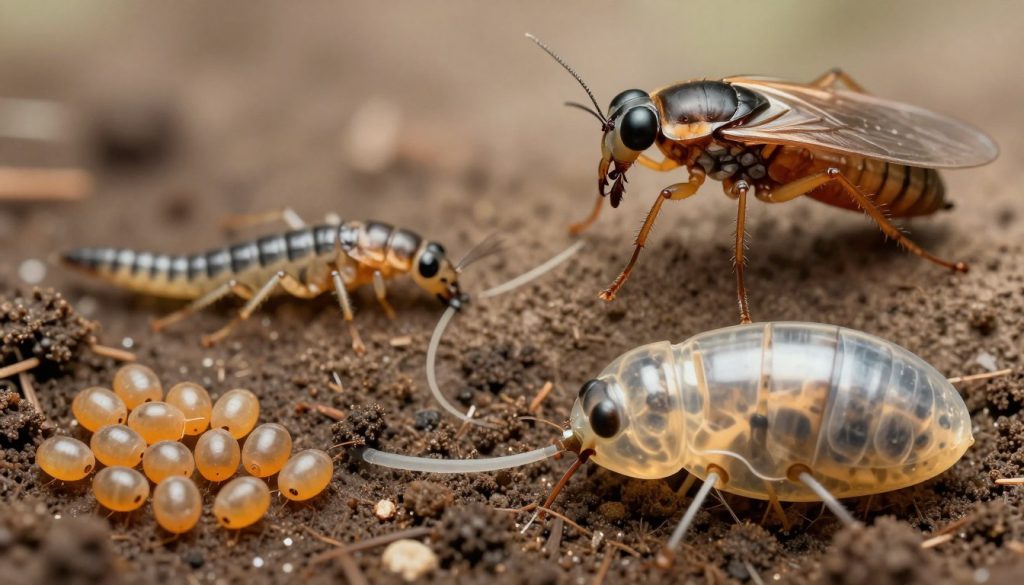
Understanding how fleas develop can provide crucial insights into effective pest management. A flea’s life cycle consists of four distinct stages: egg, larva, pupa, and adult. Each stage presents unique challenges for eradication efforts.
Egg Stage
Adult fleas lay up to 50 eggs per day directly on pets. These tiny, white eggs readily fall off into carpets, bedding, and upholstery as animals move around the home. In this stage, fleas are nearly invisible to the naked eye, allowing them to accumulate unnoticed in the fibers of carpets and the crevices of furniture.
Larva Stage
Once eggs hatch, larvae emerge as tiny, pale worms. They actively avoid light, burrowing deep into carpet piles, cracks in flooring, and pet bedding. Here, they feed on organic debris and adult flea feces. The larva stage is particularly vulnerable to professional treatments, including growth regulators that disrupt normal development and prevent maturation into biting adults.
Pupa Stage
During the pupa stage, fleas encase themselves in sticky cocoons. These cocoons resist many over-the-counter products, allowing them to lie dormant for weeks or months until conditions are right. Adult fleas emerge from pupae when they detect vibrations, warmth, and carbon dioxide, immediately seeking a blood meal to sustain themselves and begin reproducing.
Adult Fleas
Understanding the flea life cycle reveals why a single treatment rarely solves an infestation. Eggs and pupae can survive initial efforts and hatch later, causing a resurgence. The cryptic nature of immature flea stages means that most DIY methods fail to reach the hidden larvae and pupae embedded deep in the home environment.
Professional flea control targets every stage of the flea life cycle simultaneously. This approach combines adulticides with insect growth regulators to break the reproductive chain permanently.
| Stage | Description | Challenges |
|---|---|---|
| Egg | Laid by adult fleas, nearly invisible, accumulate in carpets. | Hard to detect; can hatch unnoticed. |
| Larva | Emerges from eggs, feeds on organic debris and flea feces. | Avoids light; hides deep in carpets. |
| Pupa | Encased in cocoons, can remain dormant for weeks. | Resistant to many treatments; waits for ideal conditions. |
| Adult | Emerges to seek blood meals and reproduce. | Rapidly increases population; difficult to control without targeting all stages. |
Common Flea Species Found in U.S. Homes
In the diverse world of pests, certain flea species have become particularly notorious in American homes. Among these, the cat flea stands out as the most prevalent. Known scientifically as Ctenocephalides felis, this species accounts for the majority of residential infestations.
Despite its name, the cat flea is not picky. It readily infests dogs, rabbits, and other domestic animals. This adaptability makes multi-pet households especially vulnerable to infestations. Understanding the specific flea species in your home can help tailor effective pest control strategies.
Another species to note is the dog flea, or Ctenocephalides canis. Although less common than the cat flea, it can still pose a threat to dogs and other pets. Human fleas and oriental rat fleas are also found in certain areas, particularly where rodent populations are high.
Fleas are opportunistic feeders. They will consume blood from any warm-blooded host available, including rodents, raccoons, and even humans when preferred hosts are scarce. This behavior emphasizes the need for prompt action when dealing with an infestation.
Here are some key points about common flea species:
- The cat flea is the most common species in U.S. homes, responsible for most infestations.
- Cat fleas will feed on dogs and other animals, making them a concern for multi-pet households.
- The dog flea is less frequent but still a potential issue for pet owners.
- Human fleas and oriental rat fleas can appear in older buildings or areas with rodent issues.
- Fleas are not selective and will feed on any available warm-blooded host.
- Identifying the flea species helps pest control professionals design effective treatment plans.
- Different species may indicate various sources of infestation, such as wildlife nesting nearby.
- The adaptability of the cat flea to indoor environments makes it hard to eliminate without professional help.
- Fleas can transmit diseases, making identification crucial for health assessments.
- Professional pest control experts can identify flea species during inspections, aiding in effective treatments.
Recognizing the Signs Your Home Has a Flea Infestation
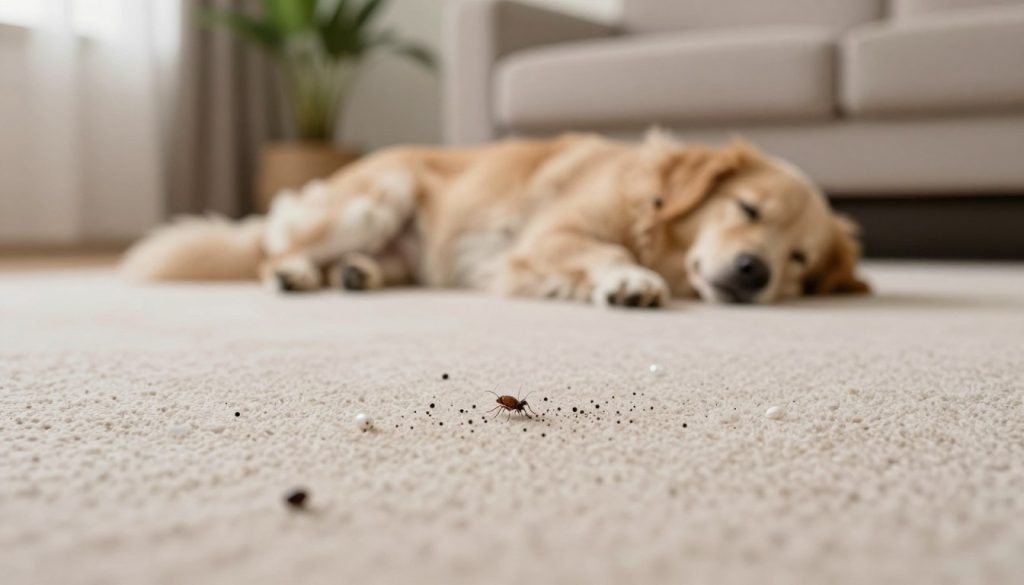
Recognizing the signs of a flea infestation is crucial for maintaining a comfortable and healthy home. If you notice your pets acting unusually, it might be time to investigate further. Fleas can quickly become a significant problem if not addressed promptly.
One of the first symptoms to look for is excessive scratching or biting by your pets. This behavior often leads to red, irritated patches of skin, indicating an active infestation. If you observe this, it’s essential to take action.
Symptoms on Pets
- Pets suffering from flea bites will scratch, bite, and lick themselves incessantly, often creating red, irritated patches of skin.
- Flea dirt, tiny black specks resembling ground pepper, can be found on your pet’s fur, in bedding, and where they rest.
- When flea dirt is placed on a damp paper towel, it dissolves into a reddish-brown stain, confirming it contains digested blood.
- Visible fleas may be spotted moving quickly through your pet’s fur, especially around the neck, ears, and base of the tail.
- Flea bites on humans appear as small, intensely itchy red bumps, often surrounded by distinctive red haloes.
Signs in Your Living Space
In addition to symptoms on pets, there are several signs of flea activity in your living space. Look for tiny white eggs in carpet fibers, pale worm-like larvae in dark crevices, and adult fleas jumping on upholstered furniture.
- Fleas also leave behind evidence in the form of shed exoskeletons and fecal matter embedded in carpets, rugs, and pet bedding.
- Walking across infested carpets in white socks can reveal adult fleas jumping onto the fabric.
- An unexplained musty odor in heavily infested areas can indicate a severe flea problem.
Recognizing these signs early allows homeowners to seek professional help before the problem escalates beyond easy control. If you suspect a flea infestation, consider contacting CX Pest Solutions for a thorough inspection and effective treatment options.
| Signs | Description |
|---|---|
| Excessive Scratching | Pets scratch or bite themselves, creating irritated skin. |
| Flea Dirt | Tiny black specks found on pet fur and bedding. |
| Visible Fleas | Fleas moving in pet fur, especially around sensitive areas. |
| Human Bites | Itchy red bumps on skin, often on ankles and lower legs. |
| Eggs and Larvae | White eggs and pale larvae found in carpets and dark areas. |
Why You Should Call a Flea Exterminator Early
Recognizing the need for professional help early can make all the difference in managing a flea problem. Many homeowners believe that DIY treatments are sufficient to handle infestations. However, these methods often fail to address the root causes of the issue.
Most over-the-counter products, such as sprays and foggers, primarily target adult fleas. Unfortunately, they leave behind eggs, larvae, and pupae, which can hatch later and continue the cycle of infestation. This oversight can lead to a recurring nightmare, as new generations of fleas emerge every few weeks.
Limitations of DIY Treatments
Flea bombs are a common DIY option, but they are particularly ineffective. Their insecticides cannot penetrate cracks, crevices, and carpet fibers where immature fleas hide. This means that even after treatment, fleas can continue to thrive in your home.
Attempting to get rid of fleas without professional assistance often results in pesticide overuse. This not only poses health risks for family members and pets but also fails to solve the underlying problem. The cost of repeated DIY failures can quickly exceed the investment in professional flea extermination services.
Professional Inspection and Assessment
A professional flea exterminator conducts a thorough inspection of your entire home. They focus on areas like carpets, pet bedding, and upholstered furniture, where fleas are likely to congregate. Their expert assessment identifies the presence and severity of the infestation, as well as contributing factors that allow fleas to thrive.
Early intervention by a pest control professional can prevent the exponential growth of the flea population. This proactive approach saves homeowners time, money, and frustration in the long run. Additionally, professionals can uncover hidden infestation sources, such as wildlife in crawl spaces or rodent nests, that DIY methods would never address.
Calling a flea exterminator at the first confirmed sign of infestation ensures the fastest and most complete resolution. This timely action restores comfort and safety to your home, allowing you to enjoy your living space once again.
What to Expect During a Flea Exterminator Visit
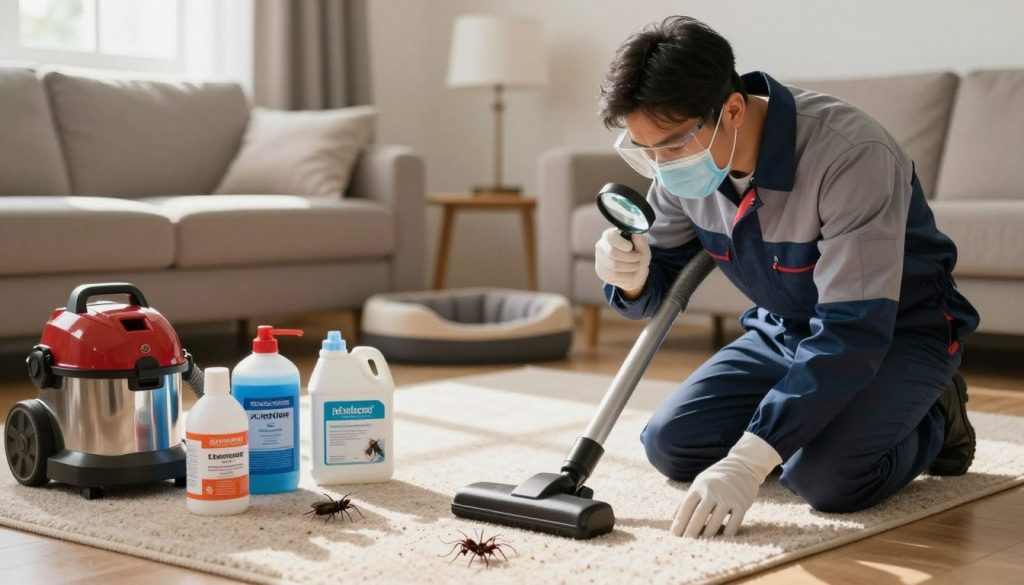
When you schedule a visit from a pest control professional, you can anticipate a thorough and systematic approach to tackling the flea problem in your home. The exterminator will begin with a detailed inspection, focusing on areas where fleas are likely to thrive.
This comprehensive inspection is essential for identifying flea activity and understanding the conditions that allow them to spread. The exterminator will utilize their expertise in flea biology to determine the severity of the infestation.
- Your pest control visit starts with a walkthrough inspection of every room, concentrating on carpets, area rugs, pet bedding, and upholstered furniture.
- The professional will examine dark, undisturbed areas such as under furniture, along baseboards, and inside closets where flea eggs and larvae may accumulate unnoticed.
- Using their knowledge of flea behavior, the exterminator assesses infestation severity by looking for adult fleas, flea dirt, eggs, and larvae across all potential harborage areas.
- After the inspection, you will receive a detailed explanation of findings and a customized treatment plan tailored to your home’s specific layout and infestation level.
- The treatment process involves applying proven, professional-grade products that target adult fleas on contact while incorporating growth regulators to halt egg and larval development.
- Your pest control professional will treat all affected areas systematically, including carpets, upholstery, pet resting spots, and along baseboards where fleas travel.
- Monitoring devices may be strategically placed in key locations such as kitchens, bathrooms, utility rooms, and garages to track ongoing flea activity after treatment.
- You will receive clear instructions on post-treatment procedures, including when to vacuum, how to handle pet bedding, and what to expect in the days following service.
- A detailed flea-control report documents all findings, treatments applied, and personalized recommendations to help prevent fleas from returning to your home.
- Follow-up visits are scheduled as needed to ensure complete flea elimination, with adjustments made based on monitoring results and any persistent activity.
After the treatment, it’s important to ventilate your home by opening windows and doors to air out the treated areas. This helps dissipate chemical odors and reduces potential respiratory discomfort for you and your pets. Also, be cautious with cleaning; avoid heavy cleaning immediately after treatment to ensure the chemicals remain effective.
To maintain a flea-free environment, consider monitoring for signs of flea activity after treatment. Vacuuming should ideally occur 24 to 48 hours post-extermination, focusing on carpets and pet sleeping areas. Use a HEPA-filter vacuum and dispose of the contents in an outdoor trash can to prevent reinfestation.
By understanding what to expect during a visit from a pest control expert, you can take proactive steps to ensure your home remains comfortable and flea-free. For more detailed guidance on preparing for a flea exterminator, visit this link.
Effective Flea Treatment Options Used by Professionals
When it comes to managing a flea problem, understanding the various treatment options is key. Professional pest control services offer comprehensive plans that are designed to effectively eliminate these pests. These treatments are not only thorough but also tailored to the specific needs of your home and pets.
One of the first steps in effective flea treatment is identifying the specific species involved. This ensures that the right products and methods are used for maximum effectiveness. Alongside this, education about the flea life cycle is crucial for successful management.
Here are some common strategies employed by professionals:
- Professional flea treatment begins with precise species identification, ensuring the chosen products and methods target the specific flea type infesting your home.
- Insect growth regulators are a cornerstone of professional flea control, disrupting the normal development of eggs and larvae so they never mature into biting, reproducing adults.
- Adulticide treatments are applied to carpets, upholstery, and pet resting areas to quickly eliminate existing adult fleas and provide immediate relief from biting.
- Professional-grade products penetrate deep into carpet fibers and cracks where over-the-counter sprays and foggers cannot reach, ensuring comprehensive coverage.
- A multi-pronged approach combines chemical treatments with physical removal methods, including powerful vacuuming that extracts eggs, larvae, pupae, and adult fleas from the environment.
- Pest control experts coordinate with your veterinarian to align in-home flea treatment with appropriate flea control products applied directly to your pets.
- Treatment plans include sealing gaps and addressing structural conditions that allow fleas to enter and spread, creating long-term barriers against reinfestation.
- Professionals use targeted application techniques that minimize pesticide usage while maximizing effectiveness, focusing only on areas where fleas actually live and breed.
- The goal of professional flea treatment is not just to get rid of fleas temporarily but to rid fleas permanently by breaking the reproductive cycle at every life stage.
- Ongoing management strategies, including follow-up visits and monitoring, ensure that any surviving fleas are detected and eliminated before they can reestablish the infestation.
By utilizing these effective treatment options, pest control professionals can ensure that your home is not only free of fleas but also protected against future infestations. For more detailed information on flea management strategies, consider visiting this link.
The Role of Eggs and Larvae in Persistent Flea Infestations
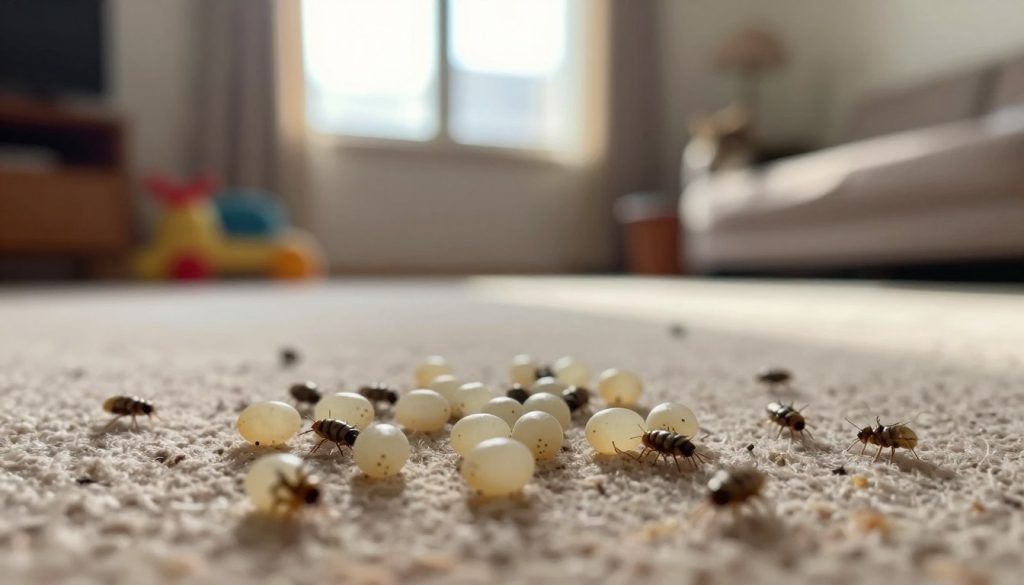
Understanding the hidden stages of a flea’s life cycle is crucial for effective pest control. Eggs and larvae play a significant role in sustaining infestations. Fleas can lay up to 50 eggs daily, which scatter throughout your home as pets move around. These eggs are tiny and pearl-white, making them easy to overlook.
Unlike many other pests, flea eggs are not sticky. This means they easily fall off pets and settle into carpets, bedding, and upholstered furniture. Once in place, these eggs can hatch within two days to two weeks, depending on the temperature and humidity. This rapid development means that new fleas can emerge continuously in untreated environments.
Once the eggs hatch, larvae emerge and burrow deep into carpet fibers, cracks in hardwood floors, and the dark corners of furniture. Their hidden nature makes them challenging to eliminate with surface treatments alone. Flea larvae feed on organic debris and the iron-rich fecal matter left by adult fleas. This diet provides the necessary nutrients for them to grow and continue the flea life cycle.
The cryptic nature of eggs and larvae explains why many homeowners experience recurring flea problems despite repeated DIY attempts. These hidden stages can survive to repopulate the home, leading to ongoing infestations. Professional flea control specifically targets these vulnerable stages with insect growth regulators. These products prevent larvae from developing into biting adults, effectively breaking the cycle.
To enhance treatment effectiveness, vacuuming before and after professional intervention is essential. This process not only removes eggs and larvae but also stimulates pupae to emerge, making them susceptible to insecticides. Without addressing these reservoirs, even the most thorough adult flea extermination will fail, as new adults will emerge within weeks.
Understanding the role of eggs and larvae in sustaining a flea infestation underscores the necessity of comprehensive treatment. It is vital to address every life stage simultaneously to achieve lasting relief. For more information on effective flea control strategies, consider visiting this link.
Flea Prevention Strategies: Keeping Your Home and Pets Safe
Preventing a flea infestation is essential for maintaining a comfortable home and ensuring the well-being of your pets. By implementing effective strategies, you can significantly reduce the risk of these pests taking hold in your living space. Here are some key approaches to consider:
Regular Cleaning and Vacuuming
One of the most effective ways to combat fleas is through consistent cleaning. Regular vacuuming can remove adult fleas, eggs, and larvae from carpets, rugs, and upholstery. This disrupts their life cycle and prevents them from multiplying.
- Thoroughly vacuum carpets, rugs, and upholstered furniture, paying special attention to baseboards.
- Dispose of vacuum bags or empty canisters into sealed outdoor trash to prevent any captured fleas from escaping back into your home.
- Washing all pet bedding, blankets, and removable furniture covers in hot water weekly kills fleas at every life stage and eliminates flea dirt that larvae feed upon.
Pet Care and Flea Control Products
Maintaining your pets’ health is crucial in preventing flea infestations. Regular grooming and appropriate flea control products can create a protective barrier against these pests.
- Consult your veterinarian about year-round flea control products, including topical treatments, oral medications, and flea collars.
- Regular bathing and grooming of pets not only removes existing fleas but also provides opportunities to inspect for early signs of reinfestation.
Outdoor and Yard Maintenance
Outdoor areas can also contribute to flea problems. Keeping your yard well-maintained reduces habitats where fleas thrive.
- Mow grass short, remove leaf litter, and trim back shrubs to eliminate shaded, humid areas where fleas can thrive.
- Creating a gravel or wood chip barrier between lawns and wooded areas discourages wildlife that carry fleas from approaching your home.
- Professional pest control services often include perimeter treatments that create a protective zone around your home’s foundation, preventing outdoor fleas from migrating indoors.
- Sealing cracks, gaps, and entry points around doors, windows, and foundations denies fleas and the rodents that carry them access to your living spaces.
A comprehensive prevention strategy combines diligent housekeeping, responsible pet care, and strategic outdoor maintenance. By following these steps, you can keep fleas from ever gaining a foothold in your home again. For more detailed information on flea management strategies, consider visiting this link.
Common Challenges in Flea Control and How Professionals Overcome Them
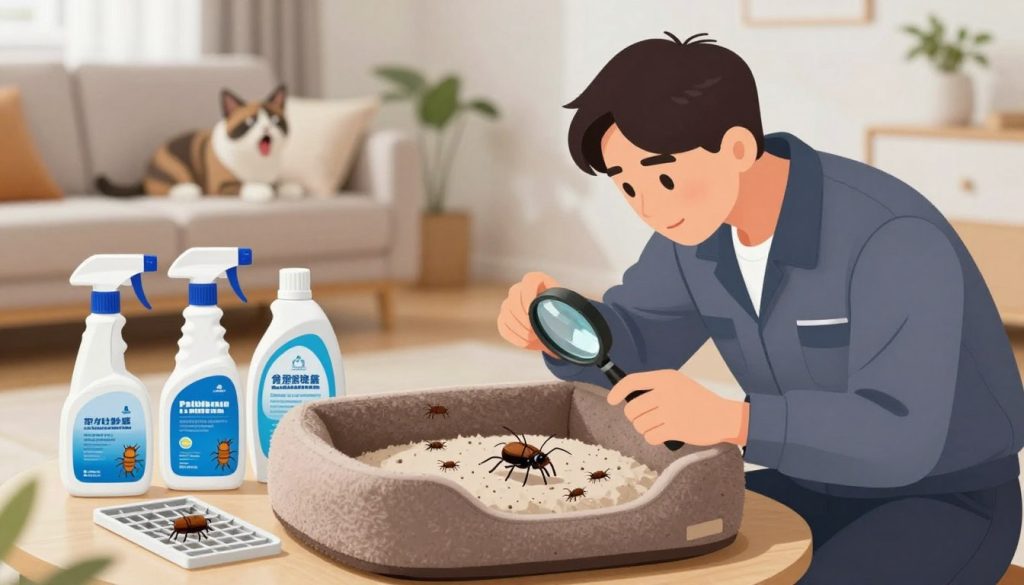
Tackling a flea problem in your home presents unique challenges that require expert intervention. Many homeowners find themselves overwhelmed by the persistent nature of these pests. Understanding the obstacles can help you appreciate the value of professional pest control services.
One of the greatest challenges in flea control is the pupa stage. The sticky cocoon that flea pupae create resists most insecticides. These pupae can lie dormant for months, waiting for the right conditions to emerge. They detect vibrations, warmth, and carbon dioxide, often hatching en masse when people or pets re-enter a treated room. This can create the illusion of treatment failure.
DIY flea bombs and foggers are common but often ineffective. Their insecticides cannot penetrate the cracks, crevices, and deep carpet fibers where eggs, larvae, and pupae are concealed. This means that even after treatment, immature stages can remain hidden and continue to breed.
Fleas can survive for extended periods without a blood meal. This ability allows them to persist in vacant homes and emerge when new occupants arrive, leading to unexpected infestations. The cryptic nature of immature flea stages means that even meticulous homeowners may miss hidden populations breeding in obscure areas like under furniture or inside wall voids.
Professional pest control services effectively overcome these challenges by employing several strategies:
- Using insect growth regulators that prevent pupae from developing into adults, effectively neutralizing this resilient stage.
- Implementing targeted treatments that reach deep into carpets, upholstery, and structural gaps where over-the-counter products cannot penetrate.
- Conducting follow-up inspections and monitoring to detect and address any surviving fleas before they can rebuild the infestation.
- Coordinating with veterinarians to treat pets and addressing outdoor sources simultaneously for comprehensive management.
- Utilizing their expertise to get rid of fleas permanently, based on an understanding of flea biology, behavior, and resistance patterns.
For those facing a flea problem, recognizing these challenges underscores the importance of seeking professional help. A thorough approach ensures that your home remains free from these persistent pests. To learn more about effective pest control strategies, visit CX Pest Solutions.
The Advantages of Choosing CX Pest Solutions for Flea Extermination
When dealing with a flea issue, selecting the right pest control service is crucial. CX Pest Solutions stands out for its targeted approach to flea extermination. Their trained professionals are equipped to diagnose and treat flea problems effectively. Every home is unique, which is why they customize treatments to fit individual needs.
A thorough inspection is the first step in their process. This inspection focuses on vulnerable areas such as carpets, pet bedding, and upholstered furniture. By identifying hotspots, they can develop a targeted flea treatment plan that uses proven materials to eliminate adult fleas, eggs, and larvae while sealing potential entry points.
- Specialized expertise: CX Pest Solutions brings trained professionals who understand the complex biology and behavior of fleas.
- Meticulous inspections: The company’s approach begins with a detailed examination of all areas where fleas might hide and breed.
- Customized treatment plans: Recognizing that no two infestations are alike, each home receives a tailored strategy for complete elimination.
- Advanced technology: Proven materials are deployed to target adult fleas, eggs, and larvae simultaneously, breaking the reproductive cycle.
- Monitoring devices: Key areas such as kitchens and bathrooms are equipped with devices to track flea activity and adjust treatments as needed.
- Detailed reports: After each service visit, homeowners receive a comprehensive flea-control report outlining findings and recommendations.
- Commitment to satisfaction: Free touch-up visits are offered if fleas persist, ensuring that the extermination process continues until your home is flea-free.
- Money-back guarantee: Every service is backed by a guarantee, providing peace of mind throughout the treatment process.
- Long-term management: CX Pest Solutions emphasizes sealing gaps and addressing conditions that could allow fleas to return.
- Dedicated partnership: Choosing CX Pest Solutions means prioritizing your family’s comfort and your pets’ health while protecting your home.
By selecting CX Pest Solutions, you are opting for a professional service that focuses on long-term management and effective solutions. Their commitment to quality and customer satisfaction makes them a reliable choice for any flea control needs.
Areas in Your Home Most Vulnerable to Flea Infestations
Identifying the areas in your home that are most susceptible to flea infestations is essential for effective control. These pests are not just a nuisance; they can quickly multiply if not addressed promptly. Understanding where fleas thrive can help you take the necessary steps to protect your living space.
Fleas prefer environments that are dark, humid, and warm. They often hide in places where pets spend the most time, making it critical to know these hotspots. Here are the primary areas in your home that are vulnerable to infestations:
- Carpets and area rugs are the most vulnerable areas in your home for flea infestations. Their dense fibers provide the perfect dark, humid environment for eggs, larvae, and pupae to develop.
- Pet bedding is a primary hotspot where fleas congregate, feed, and reproduce. This area often requires frequent washing and professional treatment to manage infestations effectively.
- Upholstered furniture, especially in rooms where pets are allowed, harbors fleas deep within cushions and fabric folds. Vacuuming and surface sprays often cannot reach these hidden areas effectively.
- Human bedding and mattresses become infested when pets sleep on beds. Adult fleas, eggs, and flea dirt can transfer directly into sheets, blankets, and mattress seams.
- Dark, undisturbed areas such as under furniture, inside closets, and along baseboards attract fleas seeking shelter from light. These areas provide safe havens for larvae to mature.
- Cracks and crevices in hardwood floors, tile grout lines, and the gaps between floorboards and walls trap eggs and larvae that fall from pets as they move through the house.
- Basements and crawl spaces with higher humidity levels create ideal conditions for fleas to survive and reproduce. These areas often serve as the source of recurring infestations.
- Fleas also infiltrate vehicles, pet carriers, and garage spaces where pets spend time, extending the infestation beyond the main living areas of the home.
- The areas where pets spend the most time resting, playing, and sleeping are invariably the most heavily infested. This guides pest control efforts to the right locations.
- Identifying and treating all vulnerable areas simultaneously is essential. Neglecting even one hotspot allows the infestation to persist and eventually spread back through the entire home.
Conclusion
Prompt action against pests is vital for maintaining a healthy and comfortable living environment. Recognizing the signs of a problem early and calling a qualified flea exterminator is the most important step you can take. Flea infestations do not resolve themselves; they escalate rapidly, embedding deeper into carpets and furniture.
Professional pest control provides comprehensive solutions that DIY methods cannot match. These experts target every life stage of the pest, ensuring that hidden sources are identified and managed effectively. Ongoing prevention strategies, such as regular cleaning and proper pet care, are essential to keep your home safe.
Investing in professional services is an investment in your family’s well-being and your pets’ health. The peace of mind that comes from knowing your home is protected against pests is invaluable. Take action today by scheduling a professional inspection to ensure your home remains the sanctuary it was meant to be.