

Have you ever wondered how a small amount of standing water can lead to a massive increase in biting pests? Understanding the dynamics of breeding grounds is crucial for effective mosquito management. Proactive, routine mosquito control is essential for preventing these nuisances before they become a significant problem. By focusing on integrated approaches, homeowners and communities across the United States can implement strategies that effectively reduce mosquito populations.
In this guide, we will explore methods to minimize breeding sites and maintain a healthy outdoor environment. The Integrated Mosquito Management (IMM) framework will be highlighted, emphasizing the importance of community involvement and personal responsibility. This approach not only helps in managing these pests but also reduces the risk of diseases they may carry.
Introduction to Mosquito Control and Its Importance
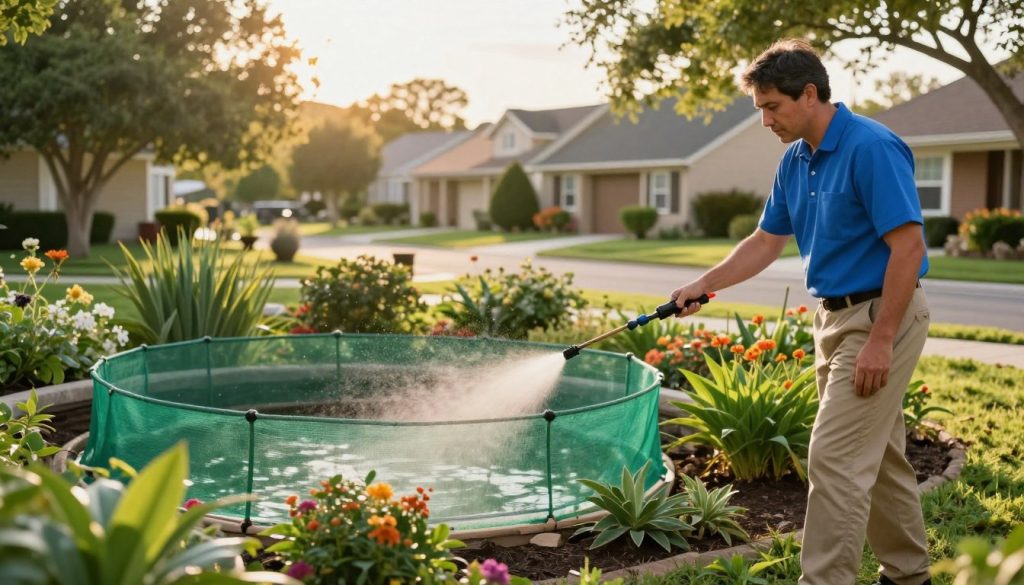
Understanding the significance of managing mosquito populations is essential for public health. In the United States, these pests are more than just a nuisance; they pose serious health risks. Effective mosquito management helps protect families and communities from the dangers associated with these insects.
One of the most pressing concerns is the transmission of diseases. Mosquito-borne diseases, such as West Nile virus, Saint Louis encephalitis, and Eastern equine encephalomyelitis, can have severe health implications. The West Nile virus, in particular, remains the most common mosquito-borne disease in the U.S., with cases reported annually across multiple states.
Moreover, the nuisance factor of these insects can significantly affect outdoor activities. People often avoid parks and recreational areas due to biting insects, which can lower real estate values and negatively impact tourism. Recognizing the importance of mosquito control not only addresses comfort but also tackles a critical public health issue.
Since the West Nile virus outbreak in 1999, organized mosquito control efforts have expanded significantly. Today, there are approximately 734 specialized organizations across the country dedicated to managing these pests. Understanding the specific species present in your area is vital, as different types breed in various habitats and carry different health risks.
Homeowners play a crucial role in effective mosquito management. By taking personal responsibility for their properties, they can support broader community-wide efforts. CX Pest Solutions helps homeowners identify high-risk areas and develop customized control plans that address both immediate concerns and long-term prevention strategies.
Unchecked mosquito populations can lead to significant economic impacts. These include healthcare costs, lost outdoor enjoyment, and decreased property usability during peak seasons. Furthermore, varying climate conditions across different regions create unique challenges, making localized control strategies essential for effective results.
| Disease | Transmission | Symptoms | Prevention |
|---|---|---|---|
| West Nile Virus | Through bites of infected mosquitoes | Fever, headache, body aches | Eliminate standing water, use repellents |
| Saint Louis Encephalitis | Infected mosquito bites | Fever, headache, nausea | Community control programs, personal protection |
| Eastern Equine Encephalomyelitis | Infected mosquito bites | Fever, chills, headache | Vaccination for horses, mosquito management |
| La Crosse Encephalitis | Infected mosquito bites | Fever, headache, fatigue | Reduce breeding sites, community awareness |
Understanding Mosquito Biology and Life Cycle
Understanding how these pests develop can help us minimize their presence. Mosquitoes undergo complete metamorphosis, which includes four distinct life stages: egg, larva, pupa, and adult. Each of these stages plays a crucial role in their life cycle and requires specific conditions to thrive.
Stages of Mosquito Life: Egg, Larva, Pupa, Adult
Female mosquitoes lay their eggs on or near standing water. These eggs can hatch into larvae in just a few days. The larvae are aquatic and must remain in water to survive. They feed on organic matter and are crucial for the growth of the next stage, the pupae.
Pupae are also aquatic and undergo transformation into adult mosquitoes. This entire process can take as little as four days under optimal conditions. Once they emerge as adults, female mosquitoes require blood meals to produce eggs, which can number up to 300 per feeding.
How Mosquito Breeding Occurs in Standing Water
Breeding can occur in surprisingly small amounts of water—sometimes as little as one teaspoon. This means that even tiny containers left outdoors can become breeding sites. Understanding this helps homeowners identify and eliminate potential breeding grounds.
Factors Affecting Mosquito Survival and Reproduction
Several factors influence mosquito survival and reproduction. Temperature and humidity are critical, as warmer, wetter conditions can accelerate their life cycle. Additionally, the availability of food sources, such as nectar and pollen, is essential for adult mosquitoes.
Different species of mosquitoes have varying preferences for breeding sites. Some prefer permanent water bodies, while others thrive in temporary, stagnant water sources. By understanding these preferences, homeowners can target their control efforts effectively.
By grasping the biology of these insects, homeowners can time their control activities better. Regularly dumping standing water and maintaining clean outdoor spaces can significantly disrupt the breeding cycle.
Identifying and Eliminating Mosquito Breeding Sites: Source Reduction
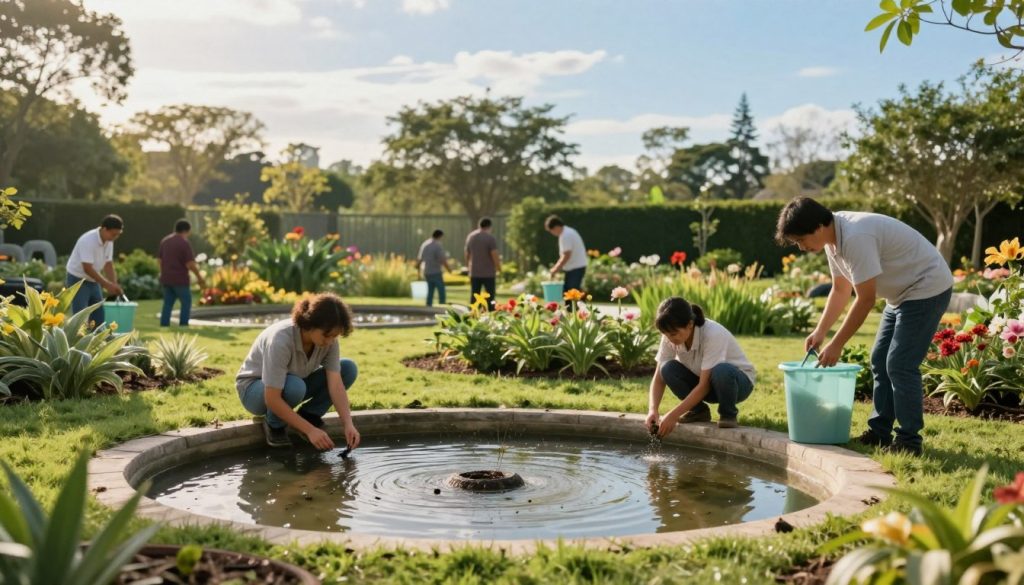
Recognizing and addressing standing water sources is key to effective pest management. By focusing on source reduction, homeowners can significantly minimize the areas where mosquitoes breed. This proactive approach is essential for creating a comfortable outdoor environment.
There are several common standing water sites that should be inspected and removed:
Common Standing Water Sites to Inspect and Remove
- Old tires, which can hold rainwater for days.
- Unused buckets and containers that collect water.
- Clogged gutters that prevent proper drainage.
- Flower pot saucers that retain water.
- Swampy areas and puddles around the property.
Implementing effective household practices can also help prevent water accumulation:
Effective Household Practices to Prevent Water Accumulation
- Conduct a thorough weekly inspection of your property to identify all sources of standing water.
- Change water in bird baths and pet dishes every three to four days.
- Fill or drain puddles and ditches on your property.
- Repair leaky outdoor faucets and air conditioning units.
- Cover open ends of corrugated drain pipes with fine mesh to prevent water retention.
Community-wide efforts in source reduction amplify individual actions. Organized neighborhood cleanups and tire disposal events can significantly reduce mosquito breeding across larger areas. A 2010 New Jersey study found that communities receiving active peer education outreach saw a 22.6% decrease in unmanaged container habitats.
By prioritizing source reduction, homeowners can dramatically reduce local populations without relying on chemical treatments. For more information on pest control solutions, check out CX Pest Solutions.
Larval Control Methods: Biological and Chemical Approaches
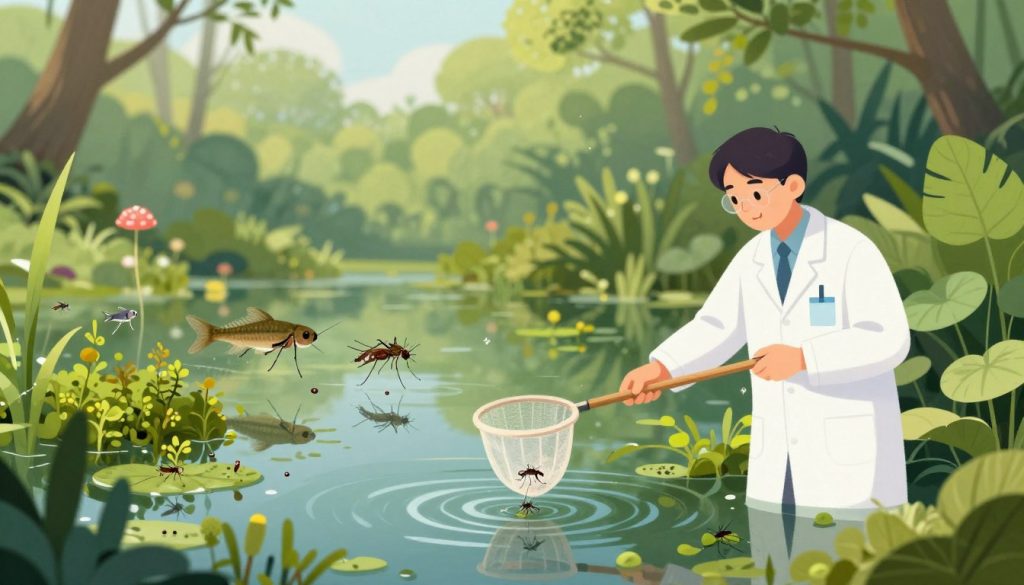
Targeting the larval stage of mosquitoes is a critical step in minimizing their impact. By addressing these aquatic stages, homeowners can prevent adult mosquitoes from emerging and causing discomfort. There are several effective methods to manage mosquito larvae, which can be broadly categorized into biological and chemical approaches.
Use of Biological Controls like Mosquito Fish and Bacillus thuringiensis israelensis (Bti)
Biological control methods are environmentally friendly and effective. One popular method involves introducing mosquito fish (Gambusia) into ponds and water features. These small fish actively consume mosquito larvae and pupae, significantly reducing their populations.
Another effective biological control product is Bacillus thuringiensis israelensis (Bti). This naturally occurring soil bacterium specifically targets mosquito larvae without harming beneficial insects, fish, or birds. Homeowners can easily find Bti products at local hardware and garden stores.
Chemical Larvicides: Types and Application Best Practices
Chemical larvicides are also an option for managing mosquito larvae. These products are applied directly to water bodies where larvae are present, typically near shorelines. They come in various formulations, including stomach toxins, contact larvicides, surface agents, and natural agents.
One effective chemical is the insect growth regulator (IGR) known as S-methoprene. This disrupts the normal development of larvae, preventing them from maturing into adult mosquitoes. It’s essential to apply these products according to label directions for maximum effectiveness.
Innovative Larval Control Technologies (e.g., Acoustic Larvicides)
Innovative technologies are emerging in the field of larval control. One such method is the LarvaSonic acoustic larvicide system. This technology uses sound energy to target mosquito larvae by rupturing their internal air bladders, leading to their demise without chemicals.
By employing these larval control methods, homeowners can effectively reduce mosquito populations on their properties. Regular monitoring of water bodies will help identify areas actively producing larvae, ensuring timely interventions.
Trust CX Pest Solutions to recommend the most appropriate larval control methods for your specific property, water features, and local mosquito species composition.
Adult Mosquito Control Techniques
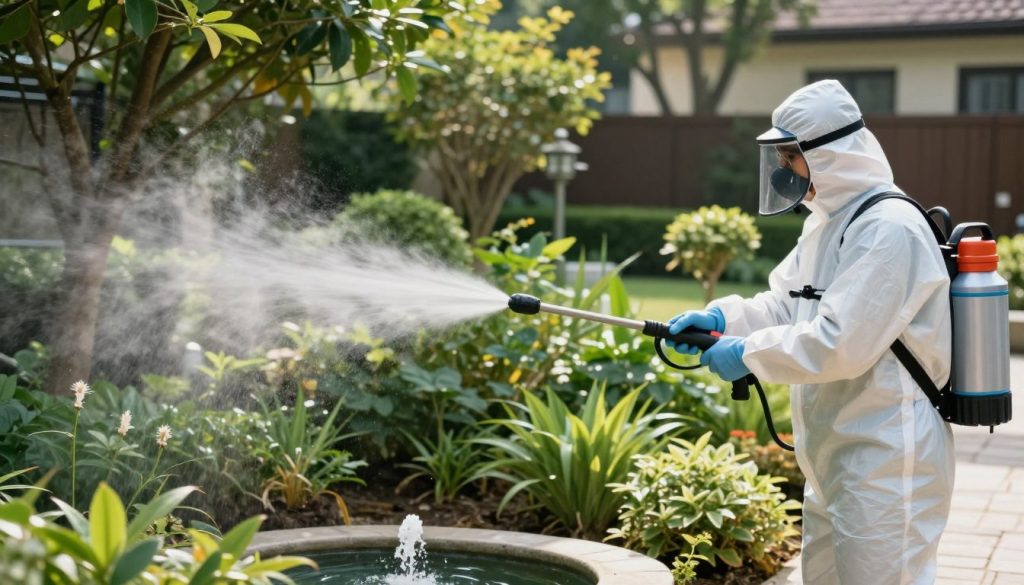
Managing adult mosquito populations is crucial for maintaining a comfortable outdoor space. While it’s essential to address breeding sites and larvae, controlling adults becomes necessary when populations surge. CX Pest Solutions recommends using adult control methods strategically, especially during times of increased risk for disease transmission.
Adulticides: When and How They Are Used
Adulticides are typically applied after surveillance confirms significant adult mosquito populations. This ensures that treatments are justified and targeted. Space sprays containing synergized pyrethrum or synthetic pyrethroids provide immediate knockdown of these pests.
Outdoor control methods may include using hand-held ULV foggers or fogging attachments for tractors and lawn mowers. These methods are most effective when applied during peak activity periods, such as early morning and dusk.
Mechanical Barriers and Physical Controls for Adults
Creating mechanical barriers is a vital part of adult mosquito management. Homeowners should install and maintain tight-fitting window and door screens with 16-18 mesh. This prevents adult mosquitoes from entering homes and provides a layer of protection.
Physical controls, such as fly swatters and indoor aerosol sprays containing synergized pyrethrum, can help eliminate any adults that manage to get inside. Regularly mowing lawns and trimming shrubs can also reduce resting areas where adult mosquitoes prefer to hide.
Vegetation Management and Its Role
Adult mosquitoes often rest on vegetation during the day. Therefore, effective vegetation management is essential. Homeowners should cut down weeds adjacent to house foundations and maintain their yards to minimize potential hiding spots.
Applying residual insecticides to the lower limbs of shade trees, shrubs, and other vegetation can also be beneficial. Always remember to follow label directions for safe and effective use of these products.
For more information on comprehensive mosquito management techniques, visit this resource or check out CX Pest Solutions.
Monitoring Mosquito Populations for Targeted Control Efforts

Effectively managing mosquito populations begins with precise monitoring. By keeping track of these insects, homeowners and communities can make informed decisions about their control strategies. Monitoring provides essential data that can significantly enhance the effectiveness of any mosquito management program.
Methods of Surveillance: Traps, Landing Rate Counts, and AI Innovations
Several methods exist for monitoring adult mosquito populations. One common approach is landing rate counts. Inspectors visit designated sites and count how many adult female mosquitoes land on exposed skin within a set time. This helps assess population density in specific areas.
Mechanical traps also play a crucial role. These traps use fans to draw mosquitoes into a collection bag. They often employ visual cues or chemical attractants, such as carbon dioxide and ammonia, to lure the insects in. This method allows for laboratory analysis and species identification.
For larval monitoring, homeowners can collect samples from standing water using tools like dippers or turkey basters. An innovative alternative is the use of artificial breeding spots, known as ovitraps. These traps collect eggs and developing larvae at fixed intervals, providing valuable data on local populations.
Emerging technologies, such as the “Dragonfly” robot from Singapore, use artificial intelligence to detect and classify mosquitoes with impressive accuracy. These innovations can streamline monitoring efforts and provide real-time data on mosquito populations.
Importance of Monitoring in Effective Mosquito Control Programs
Monitoring is vital for understanding which mosquito species are present and whether their numbers are increasing or decreasing. This information is crucial for identifying potential disease carriers and assessing the overall effectiveness of control efforts.
By consistently monitoring mosquito populations, control programs can adjust their strategies based on real-time data. This targeted approach minimizes unnecessary pesticide applications and protects beneficial organisms in the environment.
Rely on CX Pest Solutions to incorporate comprehensive monitoring into your mosquito control program. This ensures that treatments are data-driven and applied only when and where they are needed most, ultimately enhancing the overall effectiveness of your mosquito management efforts.
| Monitoring Method | Description | Advantages |
|---|---|---|
| Landing Rate Counts | Counting mosquitoes landing on exposed skin within a set time. | Provides immediate population density data. |
| Mechanical Traps | Traps using fans and chemical attractants to capture mosquitoes. | Allows for species identification and laboratory analysis. |
| Larval Monitoring | Collecting larvae from standing water using dippers or ovitraps. | Identifies active breeding sites and species. |
| AI Innovations | Using robotics and deep learning for real-time mosquito detection. | Increases accuracy and efficiency in monitoring efforts. |
The Role of Community and Organized Mosquito Control Programs
Community efforts play a vital role in effectively managing mosquito populations. When individuals come together, they can create a significant impact on controlling these pests. One of the most effective frameworks for this is the Integrated Mosquito Management (IMM) approach.
Integrated Mosquito Management (IMM) Framework
The IMM framework combines ecological, economic, and social considerations to develop practical mosquito management strategies. It integrates various methodologies, including:
- Source reduction
- Physical control
- Biological control
- Chemical control
These methods work together rather than relying on a single approach. Approximately 734 organized mosquito control organizations operate across the United States, with many local communities participating in these efforts.
Public Health Policies and Mosquito Abatement Districts
Organized mosquito control programs often fall under public health policies. These programs are designated as Mosquito Abatement Districts (MAD), Mosquito Control Districts (MCD), or Vector Control Agencies. They implement both permanent and temporary measures, such as:
- Impounding water
- Ditching
- Larviciding
- Aerosol spraying
Such coordinated efforts can achieve what individual homeowners cannot, especially in large breeding sites like swamps and sluggish streams.
How Individuals Can Support Community Programs
Every homeowner can contribute to local mosquito control programs. Here are ways to support these community efforts:
- Report standing water issues to local authorities.
- Allow access for surveillance and inspections.
- Follow community guidelines for source reduction on private property.
By taking these actions, individuals amplify the effectiveness of community-wide mosquito management efforts. Partnering with CX Pest Solutions can further enhance these programs with targeted treatments tailored to specific pressures around your home.
Environmental and Climate Considerations Affecting Mosquito Breeding
The relationship between environmental conditions and mosquito breeding is crucial for effective management. Various factors, such as rain, temperature, and humidity, directly influence mosquito behavior and breeding cycles. Understanding these elements can help homeowners take proactive steps in their pest management strategies.
Impact of Rain, Temperature, and Weather Patterns on Mosquito Populations
Rain and temperature are significant contributors to mosquito populations. Increased rainfall creates standing water, which serves as ideal breeding sites. This is especially true after heavy downpours, where puddles can form in various areas.
Warmer temperatures accelerate the development of mosquitoes from egg to adult. This means that during warmer months, populations can grow rapidly. Humidity also plays a role, as it affects the activity levels of these pests. Understanding these dynamics can help in planning effective control measures.
Climate Change and Its Influence on Mosquito Habitats
Climate change has enabled species like Aedes aegypti and Aedes albopictus to spread into new regions, including temperate areas where they previously could not survive. The increased frequency of extreme weather events creates more opportunities for standing water accumulation, leading to population surges.
Public health organizations are now integrating climate-based data and predictive modeling into their surveillance systems. This helps in monitoring habitat suitability and guiding early warning efforts. Homeowners should adjust their mosquito management practices based on these changing environmental conditions.
By consulting with CX Pest Solutions, homeowners can develop a season-long mosquito control plan that considers local climate patterns. This proactive approach allows for adjustments in strategies to stay ahead of potential population explosions.
Homeowner Best Practices for Routine Mosquito Control
Effective management of biting pests requires proactive measures from homeowners. By implementing simple practices, you can significantly reduce the number of these insects around your property. Regular inspections and the elimination of breeding grounds are essential components of a successful strategy.
Regular Inspection and Elimination of Breeding Grounds
Establish a weekly routine to inspect your entire property for standing water. Pay close attention to common trouble spots such as:
- Gutters that may collect debris and water.
- Plant saucers, children’s toys, and tarps that can hold rainwater.
- Old tires, buckets, and any containers that can trap water.
It’s vital to destroy or properly dispose of these containers. Additionally, clean rain gutters to prevent water accumulation. Change the water in bird baths, wading pools, and pet dishes at least every three to four days. This ensures that any mosquito eggs or larvae cannot develop into adults.
For ornamental ponds, consider stocking them with mosquito fish, which help control larvae naturally. You can also apply biorational larvicides like Bti products to manage mosquito larvae without harming beneficial wildlife.
Safe Use of Insecticides and Repellents
When using insecticides, always select EPA-registered products. Look for those containing DEET, picaridin, or oil of lemon eucalyptus for effective repellent action. Always follow the label directions for safe and effective use. Treat clothing with permethrin for added protection, but avoid applying it directly to your skin.
Be cautious with bug zappers, as they often kill beneficial insects while having little impact on mosquito populations. Instead, consider using outdoor fans to create air movement that deters these pests.
Natural Predators and Eco-Friendly Control Methods
Encourage natural predators in your yard by maintaining habitats for birds, bats, dragonflies, and beneficial insects. These creatures naturally feed on mosquitoes and help control their populations. Repair any damaged window and door screens to keep adult mosquitoes outside where they belong.
Remember, routine mosquito management is a season-long commitment. Consistent efforts to eliminate breeding sites can dramatically reduce the number of mosquitoes around your home. Combine these best practices with professional services from CX Pest Solutions for comprehensive protection against mosquito-borne diseases like West Nile virus.
Conclusion
Embracing a routine for managing these pests leads to healthier outdoor experiences. CX Pest Solutions emphasizes that effective mosquito control is an ongoing commitment. This dedication not only enhances outdoor enjoyment but also promotes family health and community well-being.
By implementing the strategies outlined in this guide, homeowners can take charge of their properties. Regular source reduction and proactive management significantly lower the number of breeding sites. This approach reduces reliance on chemical treatments, balancing effectiveness with environmental safety.
Remember, individual efforts combined with community initiatives create a robust defense against these pests. Trust CX Pest Solutions as your local partner in mosquito management, ensuring your outdoor spaces remain comfortable and safe.