
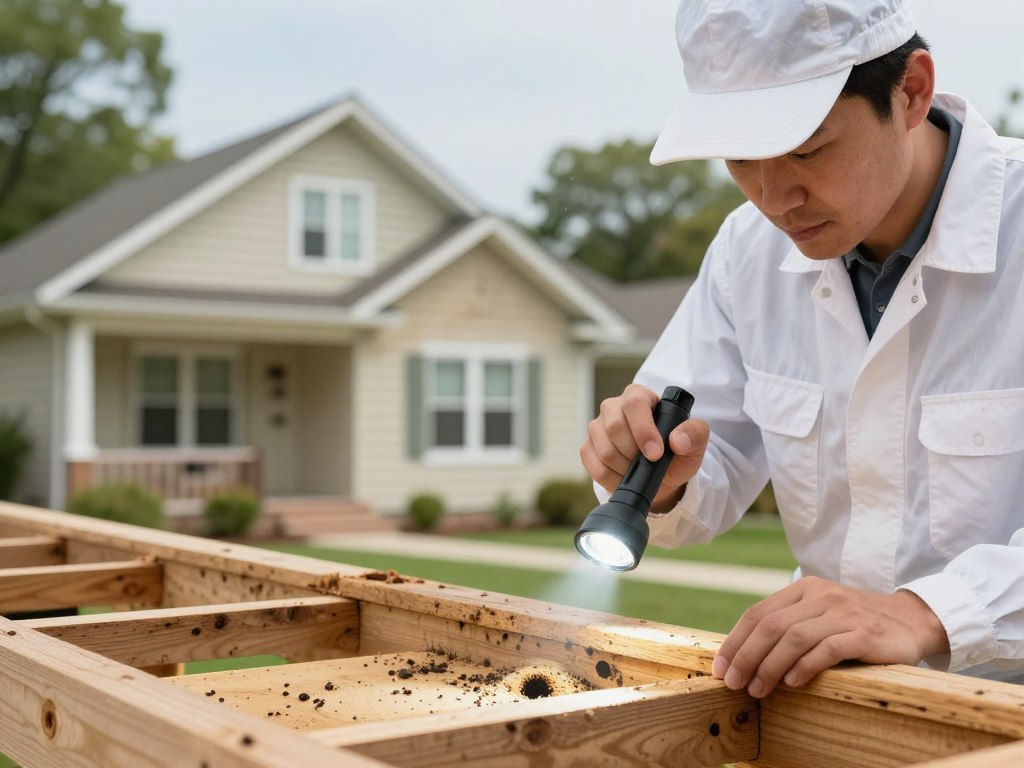
Have you ever considered that the most dangerous threat to your financial future might be hiding silently inside your walls? Many homeowners view their property as a stable investment, yet they overlook the hidden risks that can erode their hard-earned equity overnight. Effective termite control is far more than a simple chore on your seasonal checklist. It serves as a vital strategy to protect the structural integrity of your biggest asset.
Ignoring these destructive pests often leads to expensive repairs that far exceed the cost of professional prevention. By taking proactive steps today, you ensure that your home remains a valuable foundation for your family’s wealth.
Key Takeaways
- Protecting your home from pests is essential for maintaining long-term financial value.
- Structural damage caused by wood-destroying insects can lead to significant equity loss.
- Professional intervention is a cost-effective investment compared to major structural repairs.
- Proactive maintenance prevents hidden damage that often goes unnoticed for years.
- Securing your property’s integrity ensures your home remains a stable asset for the future.
Understanding the Importance of Termite Control
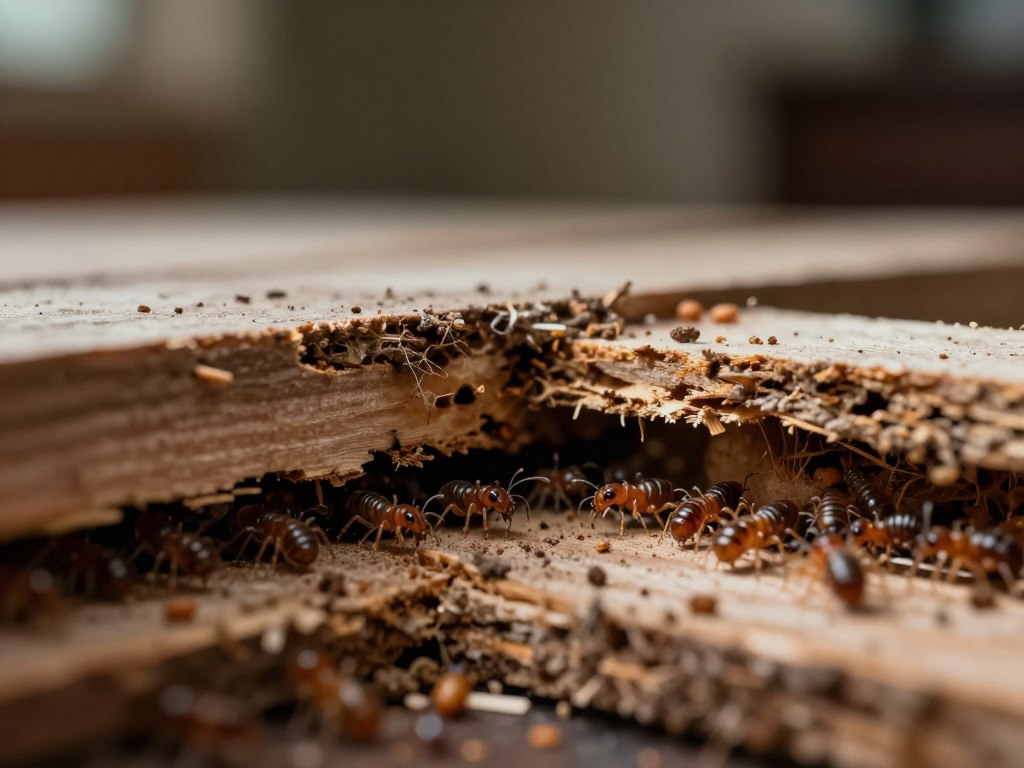
Termites are often called silent destroyers because they work behind the scenes to compromise your home’s value. These insects can cause significant structural damage before you even realize they are present. Implementing proactive termite control is essential for any homeowner looking to preserve their investment.
Effective pest control requires a basic understanding of these pests and their habits. By recognizing the risks early, you can prevent irreversible damage to your property’s foundation and wooden components.
What Are Termites?
Termites are social insects that live in large, organized colonies. They are primarily known for their ability to consume cellulose, which is found in wood, paper, and plant materials. Because they thrive in dark, moist environments, they often remain hidden inside walls or beneath the soil.
A typical colony consists of different castes, including workers, soldiers, and reproductive swarmers. The workers are the ones responsible for the damage, as they constantly forage for food to feed the rest of the colony. Understanding this social structure is a key component of successful termite control.
Why Are They Dangerous?
The primary danger posed by these insects is their relentless feeding behavior. They do not sleep, meaning they can consume wood structures around the clock. Over time, this feeding weakens the structural integrity of your home, potentially leading to costly repairs.
In the United States, subterranean termites are particularly destructive to residential foundations. They build mud tubes to travel from the soil to your home, allowing them to bypass barriers. Without professional pest control, these colonies can grow large enough to compromise the safety of your entire house.
Signs of a Termite Infestation
Identifying a termite infestation early is the best way to minimize damage. Homeowners should regularly inspect their property for specific warning signs that indicate activity. If you notice any of these indicators, it is time to contact a professional.
| Sign of Activity | Description | Location |
|---|---|---|
| Mud Tubes | Small tunnels made of dirt | Foundation walls |
| Discarded Wings | Shed wings from swarmers | Windowsills |
| Hollow Wood | Wood that sounds empty | Support beams |
| Frass | Small piles of droppings | Near wood surfaces |
Keep in mind that these signs are often subtle and easy to miss. Regular monitoring and professional inspections remain the most reliable methods for maintaining a home free from pests. Taking action at the first sign of trouble will save you significant stress and money in the long run.
The Financial Impact of Termite Damage
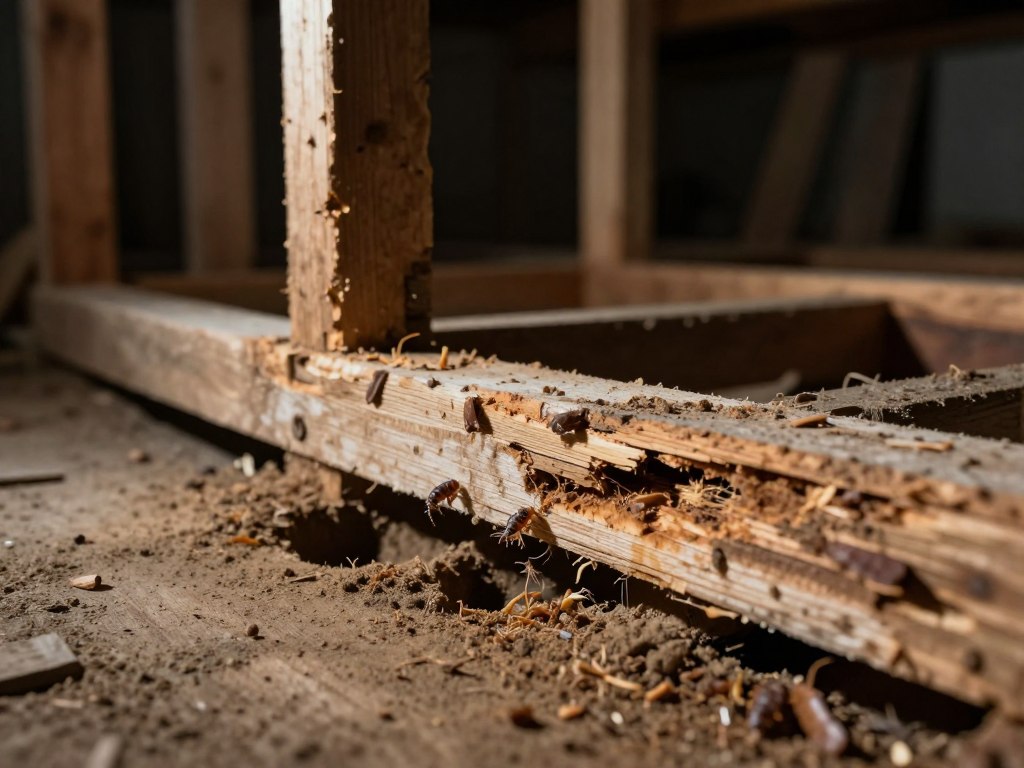
Termites represent one of the most significant risks to your long-term real estate investment. These pests silently consume structural wood, which can lead to severe instability in your home’s foundation. When buyers discover evidence of termite damage, they often demand massive price reductions or walk away from the deal entirely.
How Termites Can Decrease Home Value
A home is typically the largest asset a person owns. Structural integrity is a primary factor in determining its market appraisal. If an inspector finds compromised beams or joists, the property value drops immediately.
Potential buyers view these issues as high-risk liabilities. Even after repairs, the stigma of a past infestation can linger. This perception makes it difficult to sell your home at a competitive price.
The Cost of Repairs vs. Prevention
Many homeowners mistakenly believe that waiting for signs of activity is a sound financial strategy. In reality, the cost of professional termite prevention is a small fraction of the price required for structural restoration. Investing in regular treatments acts as an insurance policy for your equity.
| Service Type | Average Annual Cost | Potential Repair Cost |
|---|---|---|
| Annual Inspection | $150 – $300 | $0 |
| Preventative Treatment | $500 – $1,200 | $0 |
| Structural Repair | N/A | $3,000 – $10,000+ |
Insurance and Termite Damage Coverage
A common misconception among homeowners is that their standard insurance policy covers pest-related destruction. Most insurance providers classify these issues as preventable maintenance problems rather than sudden accidents. Consequently, they rarely pay for the repairs needed after an infestation.
You should review your specific policy documents to understand your coverage limitations. Relying on insurance to protect your home from these pests is a risky gamble. Proactive management remains the most effective way to safeguard your financial future.
The Benefits of Professional Termite Control
When it comes to safeguarding your property, professional intervention is often the most reliable path. While many homeowners consider handling issues on their own, the complexity of these wood-destroying insects often requires a higher level of skill. Relying on a trusted provider like CX Pest Solutions ensures that your home receives the specialized care it deserves.
Expertise and Experience
Professional technicians bring years of training to every job. They understand the unique biology and behavior of local species, which allows them to identify hidden colonies that an untrained eye might miss. By choosing a reputable pest control company, you gain access to experts who know exactly where to look and how to stop an infestation before it spreads.
Advanced Treatment Options
Effective termite extermination often requires tools and chemicals that are not available to the general public. Professionals utilize industry-grade solutions that provide deeper penetration and longer-lasting protection for your home. This advanced termite treatment is designed to target the entire colony, ensuring that the root cause of the problem is addressed rather than just the visible signs.
Ongoing Monitoring and Maintenance
The best termite control strategy is one that never stops working. CX Pest Solutions offers comprehensive monitoring programs that keep a watchful eye on your property throughout the year. These maintenance plans provide lasting peace of mind, as they allow for early detection of any new activity. By staying proactive, you can prevent future damage and maintain the long-term value of your home.
DIY Termite Control: Pros and Cons
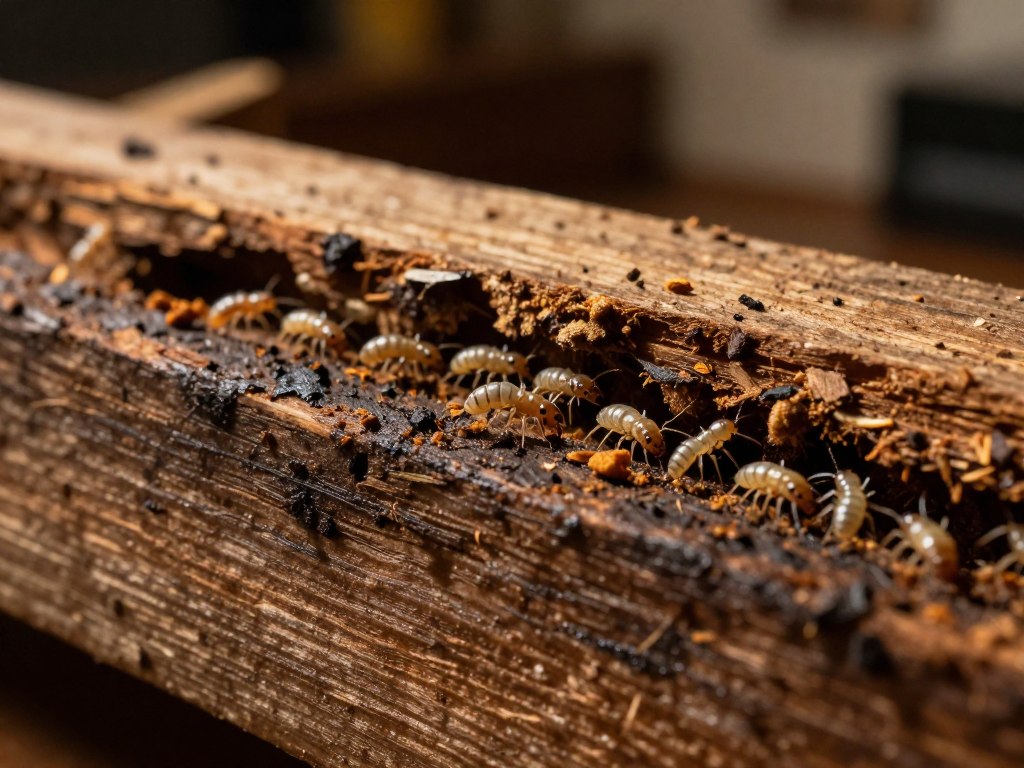
Managing a termite infestation on your own is a tempting thought for many budget-conscious homeowners. While the idea of saving money is attractive, the biology of these pests makes them incredibly difficult to eliminate without specialized knowledge. Understanding the difference between simple prevention and full-scale eradication is vital for protecting your home.
When to Consider DIY Solutions
DIY methods are generally best suited for early detection and preventative measures rather than active termite control. If you are simply looking to monitor your property, you might consider installing bait stations or keeping the soil around your foundation dry. These steps can help you spot activity before it becomes a structural emergency.
- Installing non-toxic monitoring stakes in the soil.
- Removing wood debris and mulch from the home perimeter.
- Fixing leaky pipes to reduce moisture levels.
Common DIY Mistakes
The most frequent error homeowners make is relying on store-bought sprays that only kill the termites they can see. These products often act as repellents, which can cause the colony to move to a different, hidden part of your home. This delay in proper termite treatment often allows the damage to continue behind your walls undetected.
Another major mistake is failing to locate the queen. Because the queen is deep within the colony, surface-level sprays will never reach her. Without eliminating the source, the colony will continue to reproduce and expand, rendering your efforts ineffective.
Limitations of Home Remedies
Many popular home remedies, such as using vinegar, orange oil, or cardboard traps, lack the scientific backing required for true termite extermination. These methods might kill a few individual insects, but they cannot address the scale of a mature colony. Professional tools and chemicals are designed to penetrate deep into the soil and wood, providing a level of protection that household items simply cannot match.
Relying on ineffective remedies often leads to a false sense of security. By the time you realize the DIY approach has failed, the structural damage may already be significant. Investing in professional services ensures that the entire colony is addressed, safeguarding your home equity for the long term.
Choosing the Right Termite Control Service
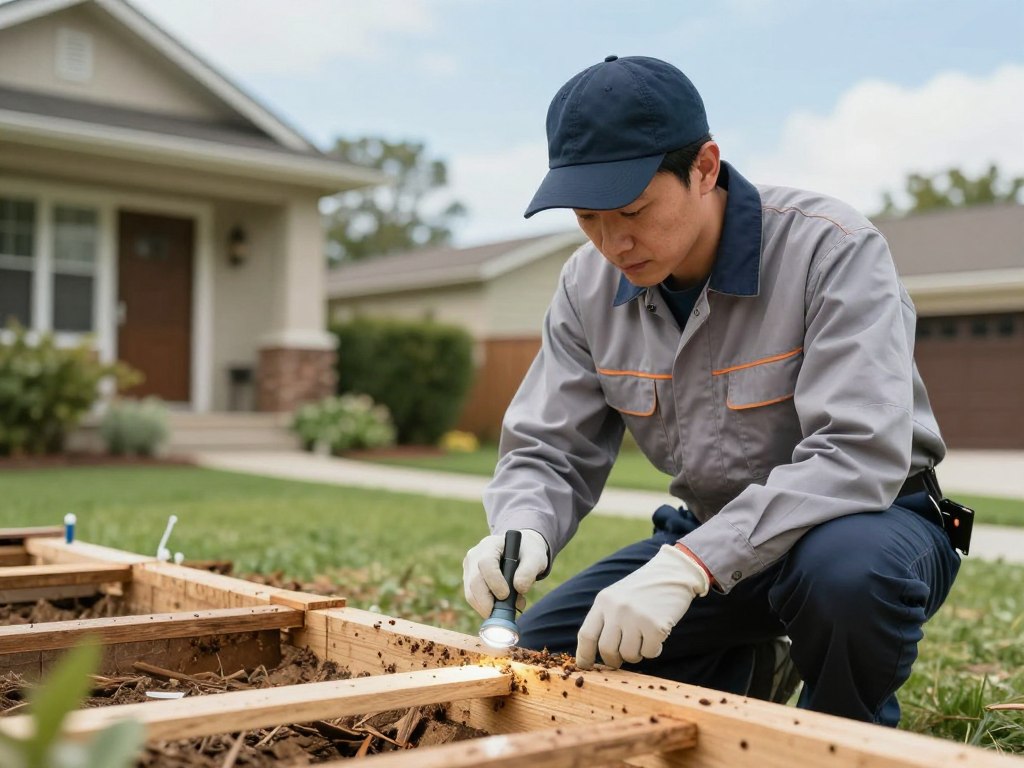
Navigating the market for professional services can feel overwhelming, but knowing what to look for makes the process easier. Protecting your home equity requires a partner who understands the local environment and the specific threats posed by wood-destroying insects. Taking the time to vet your options ensures you receive high-quality care.
What to Look for in a Pest Control Company
Start by verifying that the company holds a valid state license for providing termite control. A reputable business will always be happy to provide proof of insurance, which protects you from liability during the treatment process. You should also check online reviews and ask for references from neighbors who have used their pest control services.
Look for technicians who hold certifications from recognized industry organizations. These professionals often undergo regular training to stay updated on the latest safety standards and chemical applications. A company that prioritizes ongoing education is usually more reliable than one that relies on outdated methods.
Questions to Ask Before Hiring
Before signing any contract, ask the provider about their specific experience with your type of home construction. You should inquire about the exact methods they plan to use and whether those methods are safe for your family and pets. It is also wise to ask if they offer a warranty or a retreat guarantee if the infestation returns.
Ask for a detailed inspection report that outlines the scope of the problem. A professional should be able to explain exactly where the activity is occurring and why they recommend a specific treatment plan. Clear communication is a hallmark of excellent termite control services.
Comparing Quotes and Services
When you receive multiple estimates, look beyond the bottom-line price to understand what is included in the package. Some companies may offer a lower initial cost but charge extra for follow-up visits or annual inspections. Use the table below to organize your findings and make an informed decision.
| Feature | Company A | Company B |
|---|---|---|
| License Verified | Yes | Yes |
| Warranty Included | Yes | No |
| Annual Inspection | Included | Extra Cost |
| Eco-Friendly Options | Available | Not Available |
By comparing these factors, you can ensure you are getting the best value for your investment. Choosing the right pest control partner is a long-term commitment to your home’s structural integrity. Always prioritize transparency and proven results when selecting your termite control services.
The Role of Home Inspections in Termite Control

A professional evaluation serves as your primary defense against silent structural destroyers. By identifying vulnerabilities early, you can implement effective termite control before a minor issue turns into a costly disaster.
Importance of Regular Inspections
Most homeowners do not realize that these pests often work from the inside out. Because they remain hidden behind walls and under flooring, you might not notice their presence until the structure is compromised.
Scheduling a routine termite inspection at least once a year is a vital habit for any property owner. This proactive approach ensures that any early signs of activity are caught before they lead to widespread destruction.
What to Expect During an Inspection
During a professional visit, a technician will perform a comprehensive sweep of your home. They focus on high-risk areas such as crawl spaces, basements, attics, and the perimeter of your foundation.
Experts utilize specialized tools like moisture meters, infrared cameras, and sounding devices to detect hidden activity. These instruments allow them to find signs of wood decay or mud tubes that are invisible to the naked eye.
How Inspections Can Protect Equity
Preventing termite damage is essential for maintaining your home’s market value. When you have documented proof of regular inspections, it provides peace of mind to potential buyers during a real estate transaction.
Catching an infestation early saves you thousands of dollars in potential repairs. The following table outlines why consistent monitoring is a smart financial decision for your household.
| Inspection Frequency | Detection Capability | Financial Impact |
|---|---|---|
| Annual | High | Low Repair Costs |
| Bi-Annual | Very High | Minimal Risk |
| None | Low | High Equity Loss |
Prevention Strategies for Homeowners
You can significantly reduce the risk of a termite infestation by making simple changes to your home environment. Taking a proactive stance helps you identify vulnerabilities before they become expensive problems. By managing your property correctly, you create a barrier that discourages pests from settling in.
Best Practices for Home Maintenance
The foundation of effective termite prevention lies in eliminating the conditions that attract these insects. Termites thrive in moist environments and rely on cellulose-based materials for food. You should focus on these key maintenance tasks to protect your structure:
- Remove all wood-to-soil contact, such as siding, door frames, or wooden posts touching the ground.
- Fix leaky pipes and faucets immediately to prevent moisture buildup near your foundation.
- Ensure your gutters and downspouts direct water away from the home to keep the soil dry.
- Check your crawl space regularly for signs of dampness or wood decay.
Landscaping Tips to Avoid Infestations
Your yard plays a major role in how well your home resists pests. Many homeowners unknowingly create a bridge for termites by placing mulch or wood chips too close to the exterior walls. To improve your termite control efforts, consider these landscaping adjustments:
- Keep mulch at least six inches away from the foundation of your house.
- Trim back tree branches and shrubs so they do not touch the exterior walls.
- Store firewood and lumber on elevated racks far away from your home.
- Clear away dead stumps and roots from your yard to remove potential nesting sites.
Seasonal Precautions and Inspections
Consistency is vital when it comes to protecting your equity. Establishing a routine schedule ensures that you catch early warning signs before a colony grows. A professional termite inspection should be part of your annual home care plan.
Follow this seasonal guide to stay ahead of potential issues:
- Spring: Watch for swarmers near windows and doors as temperatures rise.
- Summer: Monitor your foundation for mud tubes during periods of high humidity.
- Fall: Clear debris from around the perimeter to prepare for winter.
- Winter: Schedule a thorough check to ensure no new damage occurred during the year.
The Environmental Impact of Termite Control
Finding a balance between effective termite control and ecological safety is a top priority for many families today. As awareness grows regarding the impact of synthetic substances on our local ecosystems, homeowners are seeking smarter alternatives. You no longer have to choose between protecting your property and preserving the health of your backyard.
Eco-Friendly Treatment Options
Modern pest management has evolved to include several green solutions that target pests while leaving the surrounding environment largely untouched. Many professionals now offer botanical-based treatments that utilize essential oils to deter or eliminate colonies. These natural options are often preferred by families who want to avoid synthetic residues in their living spaces.
Baiting systems represent another environmentally conscious approach to termite treatment. These stations use small amounts of active ingredients contained within a secure housing, which minimizes the spread of chemicals into the soil. By focusing on the colony rather than broad-spectrum spraying, these systems provide a highly targeted solution.
Balancing Effectiveness and Safety
Ensuring your home remains safe for children and pets is just as important as stopping an infestation. A professional service will prioritize low-toxicity products that provide long-term results without compromising indoor air quality. They carefully assess your property to determine the safest application methods for your specific situation.
Effective management requires a thoughtful strategy that considers the local ecosystem. By choosing methods that minimize runoff and soil contamination, you protect the beneficial insects and plants in your garden. This holistic approach ensures that your home remains a healthy sanctuary for your family.
Understanding Chemical Treatments
While green options are popular, traditional chemical treatments remain a standard for severe infestations. Modern regulations in the United States ensure that these products are rigorously tested for safety before they reach the market. When applied by a licensed professional, these treatments are designed to stay exactly where they are needed most.
| Treatment Type | Environmental Impact | Targeting Precision | Safety Level |
|---|---|---|---|
| Botanical Oils | Very Low | Moderate | High |
| Baiting Systems | Low | Very High | High |
| Liquid Termiticides | Moderate | Low | Moderate |
Understanding how these substances work helps you make an informed decision for your property. Always discuss the specific products being used with your technician to ensure they align with your environmental values. With the right knowledge, you can achieve excellent results while maintaining a responsible footprint.
The Legal Aspects of Termite Control
Navigating the legal landscape of home ownership requires a clear understanding of your responsibilities regarding pest management. Many homeowners do not realize that failing to address wood-destroying insects can lead to significant legal headaches down the road. Staying informed helps you protect your investment and avoid unnecessary disputes.
Property Disclosure Laws
In the United States, sellers are generally required to disclose known material defects to potential buyers. If your home has a history of termite activity, you must be transparent about it during the sale process. Failure to provide accurate disclosures can lead to lawsuits and financial penalties long after the closing date.
Always keep detailed records of any past treatments or inspections. These documents serve as proof that you took proactive steps to manage the issue. Transparency builds trust with buyers and shields you from future claims of non-disclosure.
Contractual Obligations with Pest Control Services
When you hire professional termite control services, you are entering into a binding legal agreement. It is vital to read the fine print before signing any service contract. Understand exactly what the warranty covers and what specific actions the company is obligated to perform.
Some contracts include clauses that limit the liability of the provider. You should clarify whether the agreement includes annual inspections or just one-time treatments. Knowing your rights ensures that you get the value you pay for from your chosen pest control provider.
Liability Issues for Homeowners
Ignoring a known infestation can create serious liability issues for a homeowner. If you are aware of termite damage and choose not to act, you may be held responsible for structural failures that affect neighboring properties or future owners. Proper management is not just about home maintenance; it is a legal duty.
Improperly managed infestations can also lead to insurance claim denials. If an inspector finds that you neglected obvious signs of damage, your policy might not cover the repair costs. Maintaining a consistent record of professional care is the best way to mitigate these risks.
| Legal Responsibility | Potential Risk | Recommended Action |
|---|---|---|
| Property Disclosure | Lawsuits from buyers | Maintain full history records |
| Service Contracts | Limited warranty coverage | Review terms before signing |
| Negligence | Insurance claim denial | Schedule regular inspections |
Common Misconceptions About Termites
Navigating the world of pest management requires separating fact from fiction regarding wood-destroying insects. Many homeowners underestimate the threat because they rely on outdated information or local folklore. Relying on these myths can lead to significant structural damage that remains hidden until it is too late.
Debunking Myths
One of the most dangerous myths is the belief that termites only attack old or rotting wood. In reality, many species are perfectly capable of consuming sound, structural timber in healthy homes. Another common misconception is that if you do not see insects, your home is safe.
Termites are masters of stealth and often work deep within walls or foundations where they remain invisible to the naked eye. Relying on visual sightings for termite control is a strategy that almost always fails. You must look for subtle signs like mud tubes or hollow-sounding wood rather than waiting to see the pests themselves.
Understanding the Life Cycle of Termites
To appreciate why these pests are so resilient, you must understand their complex social structure. A single colony can contain hundreds of thousands of individuals, all working toward the survival of the queen. Because the colony is decentralized, killing a few visible workers does nothing to stop the overall infestation.
- Workers: Responsible for foraging and structural damage.
- Soldiers: Defend the colony from predators like ants.
- Reproductives: Responsible for expanding the colony and starting new ones.
This division of labor makes termite extermination a difficult task for the average person. Without targeting the queen and the entire nest, the colony will simply continue to thrive and expand. Professional intervention is necessary to disrupt this cycle effectively.
The Reality of Termite Treatments
Many homeowners believe that store-bought sprays or baits are sufficient for long-term protection. Unfortunately, these DIY methods often only address the symptoms rather than the root cause of the problem. A comprehensive termite treatment requires specialized equipment and knowledge of termite behavior.
Effective termite control involves creating a barrier that prevents new termites from entering while eliminating existing ones. Professional termite extermination services use advanced products that are designed to be transferred throughout the colony. By choosing a professional termite treatment, you ensure that the entire population is addressed, providing lasting peace of mind for your property.
Conclusion: Protecting Your Home Equity
Your home represents one of the most significant investments you will ever make. Protecting this asset requires a proactive mindset and a commitment to long-term maintenance.
Reliable termite control serves as a vital shield for your financial future. By prioritizing early detection, you stop small issues from turning into expensive structural repairs.
Consistent termite prevention keeps your property in top condition for years to come. Reach out to trusted local experts like Orkin or Terminix to schedule a comprehensive inspection today.
Taking action now provides peace of mind for you and your family. Do not wait for visible damage to appear before you seek professional guidance. Your proactive choices today ensure your home remains a safe and valuable sanctuary.