
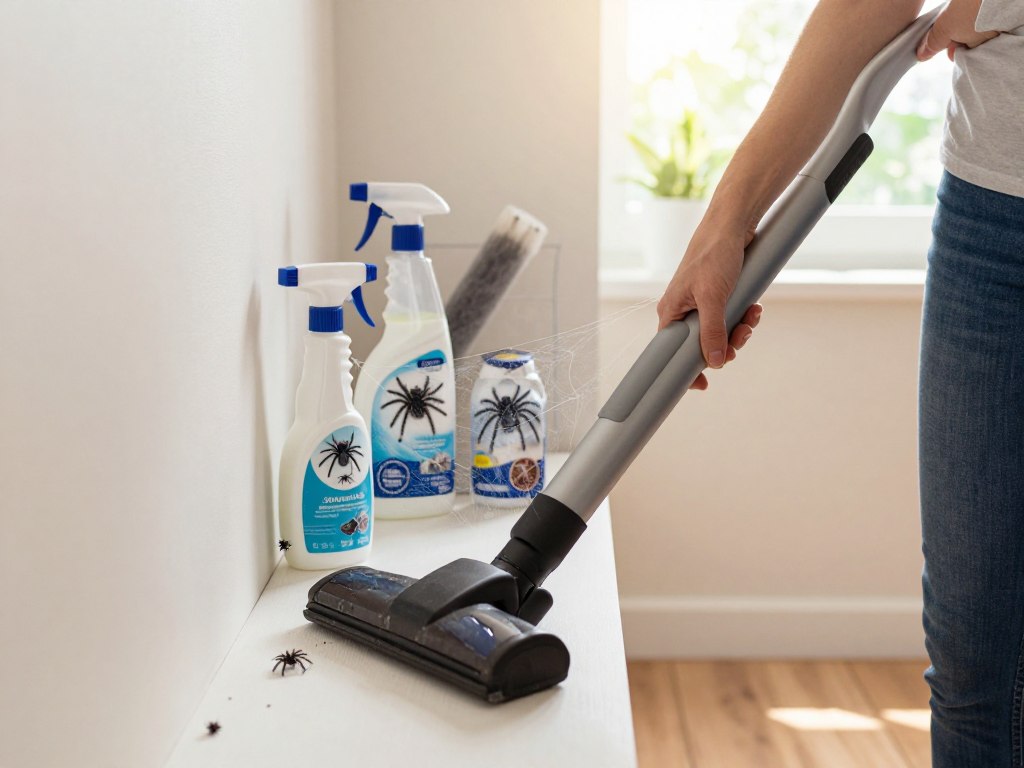
Have you ever wondered why those persistent cobwebs seem to reappear in the corners of your ceiling just days after you have cleaned them? Dealing with unwanted arachnids in your living space is a common frustration for many homeowners across the United States. Maintaining a comfortable and clean environment requires a proactive approach to effective spider control. When simple dusting is no longer enough, you need a reliable strategy to reclaim your home from these eight-legged guests.
Expert guidance from CX Pest Solutions can help you identify the root cause of your infestation. By utilizing professional insights, you can implement lasting solutions that keep your sanctuary free from unwanted webs.
Key Takeaways
- Persistent cobwebs often indicate a larger population of arachnids hiding in your home.
- Proactive maintenance is the most effective way to prevent future infestations.
- CX Pest Solutions offers expert advice to help you manage your living space effectively.
- Identifying entry points is a crucial step in long-term prevention.
- Professional intervention ensures a safer and more comfortable home environment.
Understanding Spider Behavior

To master effective spider control, you must first understand the habits of these eight-legged guests. By learning why they choose your living space, you can better anticipate their movements and prevent future infestations. This foundational knowledge is the key to successful home pest control.
Common Types of Spiders Found in Homes
Most spiders found in American households are harmless and prefer to stay out of your way. Identifying these species helps you decide when to take action and when to leave them be.
- American House Spider: Known for their messy, tangled webs in corners.
- Cellar Spiders: Often called “daddy longlegs,” they thrive in damp, dark basements.
- Wolf Spiders: These hunters do not build webs and are often found near ground level.
Myths vs. Facts About Spiders
Many people fear spiders because of common misconceptions regarding their behavior. Clearing up these myths is a vital part of your home pest control strategy.
| Myth | Fact |
|---|---|
| Spiders are aggressive. | Spiders are shy and bite only when threatened. |
| All spiders are dangerous. | Most house spiders are beneficial and non-venomous. |
| Spiders seek out humans. | Spiders actively avoid human contact at all costs. |
Why Spiders Enter Your Home
Spiders generally enter homes in search of three things: food, water, and shelter. If your home provides a steady supply of small insects, it becomes an attractive hunting ground for them.
Changes in weather also drive spiders indoors. As temperatures drop or extreme heat sets in, they seek the stable climate of your living room or garage. Maintaining a tidy home is the best way to ensure your spider control efforts remain effective throughout the year.
Essential Tools for Spider Control
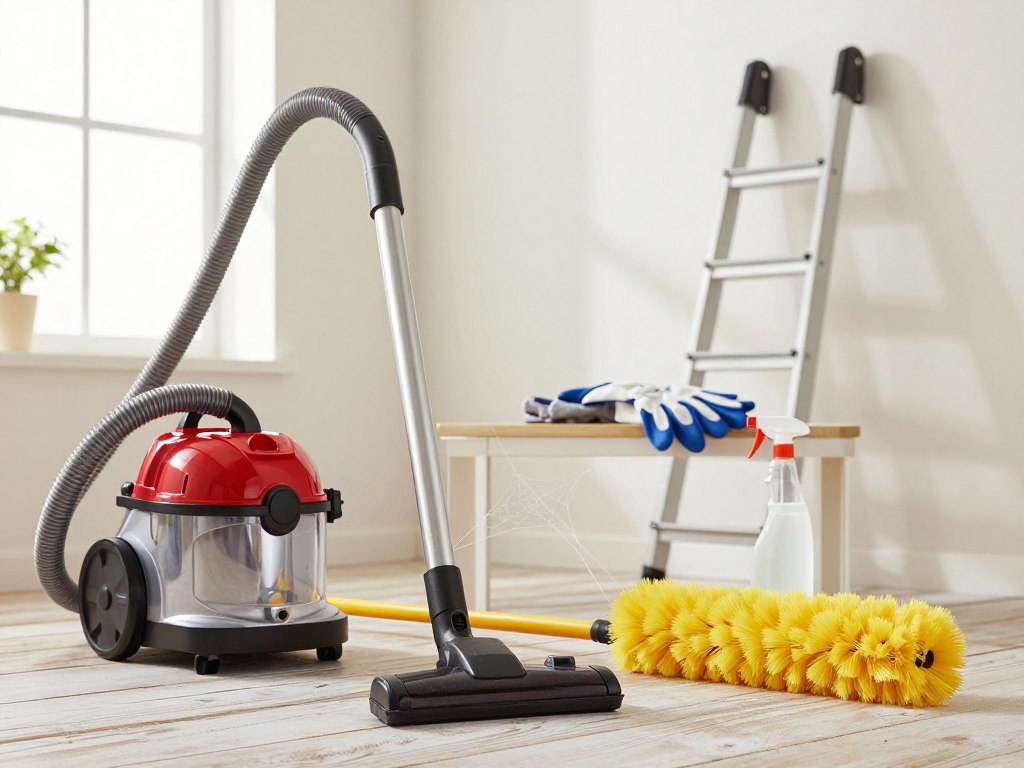
Effective spider removal starts with having the correct equipment ready in your cleaning closet. When you are prepared with the right gear, you can manage your home environment with much greater confidence. Having a dedicated toolkit ensures that you can address issues quickly before they become a larger problem.
Recommended Spider Deterrents
To maintain long-term spider control, you should invest in products that discourage arachnids from settling in your home. Many homeowners find success with natural peppermint oil sprays, which act as a strong deterrent. These sprays are safe for most indoor surfaces and provide a pleasant scent while keeping pests away.
Ultrasonic pest repellers are another popular option for those seeking a hands-off approach. These devices emit high-frequency sounds that are unpleasant to spiders but remain silent to humans and pets. Placing these in corners or near entry points can significantly reduce the likelihood of new webs appearing.
Cleaning Supplies for Cobweb Removal
Removing existing webs is a vital part of your maintenance routine. A long-handled duster with a microfiber head is perfect for reaching high ceilings and tight corners where spiders often hide. These tools trap dust and silk effectively, preventing them from spreading during the cleaning process.
For more stubborn areas, a vacuum cleaner with a crevice attachment is an essential tool for spider removal. This allows you to reach behind furniture and deep into window tracks. Using the right supplies makes the entire process faster and more efficient for the average homeowner.
| Tool Type | Primary Use | Effectiveness |
|---|---|---|
| Long-handled Duster | Removing webs | High |
| Vacuum Attachment | Deep cleaning | High |
| Peppermint Spray | Deterrence | Medium |
| Ultrasonic Device | Prevention | Medium |
Effective Prevention Strategies

Effective pest management starts with securing your home against unwanted visitors. By focusing on the exterior and interior of your property, you can stop spiders from establishing a foothold in your living space.
These proactive steps are essential for long-term success. Implementing these habits will make your property much less inviting to common household pests.
Sealing Entry Points Around Your Home
Spiders often enter through tiny gaps that go unnoticed by homeowners. Inspecting your foundation for cracks is a vital part of residential pest control.
- Use high-quality caulk to seal gaps around windows and door frames.
- Install sturdy door sweeps on all exterior doors to block ground-level entry.
- Repair or replace damaged window screens to keep your home sealed tight.
Maintaining a Clean Environment
A tidy home is a major deterrent for spiders looking for a place to nest. Regular cleaning is a cornerstone of reliable home pest control.
Focus on removing clutter in storage areas like basements and attics. Spiders thrive in undisturbed corners, so moving boxes and cleaning behind furniture helps disrupt their habitats.
Vacuuming regularly is also highly effective. It removes existing webs and eliminates the small insects that spiders rely on for food.
Outdoor Maintenance Tips to Deter Spiders
Your yard plays a significant role in overall spider control. Keeping vegetation trimmed back from your home’s siding prevents spiders from using branches as bridges.
Remove piles of wood, leaves, or debris near the foundation. These areas provide perfect shelter for spiders to breed before they eventually migrate indoors.
Consider switching to yellow LED bulbs for your outdoor lighting. These lights are less attractive to the flying insects that spiders hunt, effectively reducing the food source near your entryways.
Natural Spider Repellents

Many homeowners are now choosing eco-friendly alternatives to manage pests in their living spaces. Using natural ingredients is a fantastic way to maintain effective spider control without relying on harsh synthetic chemicals. These methods are safe for your family and pets while keeping your home environment fresh and clean.
Essential Oils for Spider Control
Essential oils are highly effective at deterring spiders because these arachnids have a strong sense of smell. Peppermint oil is widely considered the gold standard for natural spider control due to its sharp, menthol scent. Other oils like tea tree, lavender, and eucalyptus also work well to keep spiders away from your living areas.
To use these oils, you can place a few drops on cotton balls and tuck them into corners or behind furniture. You can also use a diffuser to spread the scent throughout a room. This simple approach creates a barrier that spiders prefer to avoid.
Homemade Spider Spray Recipes
Creating your own repellent spray is an easy and affordable way to boost your spider control efforts. You only need a few basic household items to get started. Follow this simple recipe to protect your windows and doorways:
- Mix two cups of water with one teaspoon of liquid dish soap in a spray bottle.
- Add 15 to 20 drops of high-quality peppermint essential oil.
- Shake the bottle well before each use to ensure the ingredients are properly blended.
Apply this mixture directly to baseboards, window sills, and door frames where you notice webs. Reapply the spray every few days to maintain its potency. By using these natural solutions, you can enjoy a peaceful home while keeping unwanted visitors at bay.
Chemical Solutions for Serious Infestations

When your home faces a significant spider infestation, stronger measures are often required. While natural repellents work for minor issues, they may not eliminate a large population. In these cases, you might need to look into more robust chemical options to regain control of your living space.
Professional Pest Control Options
Hiring professional exterminators is often the most effective way to handle complex cases. Local experts have access to specialized products that are not available to the general public. If you are struggling with a persistent problem, CX Pest Solutions offers reliable services to help you manage and eliminate unwanted guests.
Choosing high-quality pest control services ensures that the root cause of the issue is addressed. Professionals can identify hidden nesting sites that you might miss during a standard inspection. By utilizing advanced arachnid extermination techniques, they provide a long-term solution for your home.
Safe Use of Chemical Treatments
If you decide to use store-bought sprays, safety must be your top priority. Always read the product label carefully before application to ensure you are using the correct dosage. Keep children and pets away from treated areas until the chemicals have fully dried to prevent accidental exposure.
Effective spider control requires a balanced approach that prioritizes your family’s health. Never mix different chemical products, as this can create dangerous fumes or reactions. If you feel overwhelmed by the process, it is always safer to contact a professional team to handle the application for you.
| Method | Effectiveness | Safety Level | Cost |
|---|---|---|---|
| Natural Repellents | Low | High | Low |
| Store-Bought Sprays | Moderate | Medium | Medium |
| Professional Services | High | High | High |
Spotting Spider Infestations Early
Catching a spider problem early is the best way to keep your home comfortable. Proactive observation allows you to manage small issues before they grow into a significant spider infestation. By staying alert, you can simplify your approach to spider control and maintain a peaceful living environment.
Signs of Spider Presence
Spiders often leave behind subtle clues that indicate their activity. Recognizing these signs is essential for effective spider removal and long-term prevention. Look for the following indicators during your routine cleaning:
- Small, papery egg sacs tucked away in corners or behind furniture.
- Translucent shed skins left on walls or baseboards.
- Distinctive web patterns, such as funnel-shaped webs or messy, irregular cobwebs in low-traffic areas.
Areas in Your Home to Inspect
Certain parts of your house provide the perfect shelter for arachnids. Focusing your inspection on these zones will help you identify a potential spider infestation quickly. Use the table below to guide your systematic home check.
| Location | What to Look For | Action Required |
|---|---|---|
| Basements | Webs in ceiling corners | Vacuum and seal cracks |
| Attics | Egg sacs near rafters | Clear clutter and dust |
| Crawl Spaces | Active spider movement | Improve ventilation |
| Garage | Shed skins on shelves | Organize storage bins |
Regularly checking these hidden spots is a cornerstone of successful spider control. If you find evidence of activity, take immediate steps to clean the area and block entry points. Consistent monitoring makes the process of spider removal much more manageable for every homeowner.
Seasonal Considerations for Spider Control
As the temperature drops, your strategy for spider control must evolve to meet new challenges. Spiders are cold-blooded creatures that react strongly to shifts in the environment. By understanding these natural patterns, you can stay one step ahead of unwanted guests.
How Seasons Affect Spider Activity
During the warmer months, spiders thrive outdoors where food sources like insects are abundant. However, as autumn approaches, the cooling air drives many species to seek shelter in warmer environments. This migration often leads them toward the cracks and crevices of your home.
Male spiders are particularly active during the fall as they search for mates. This increased movement makes them more visible to homeowners during this time of year. Effective spider control requires recognizing that these seasonal shifts are natural behaviors rather than a sudden infestation.
Preparing Your Home for Fall
Taking proactive steps before the first frost can significantly reduce the number of spiders that enter your living space. Start by inspecting your home’s exterior for gaps around windows, doors, and utility pipes. Sealing these entry points is a vital part of your seasonal spider control plan.
Clear away debris, woodpiles, and heavy vegetation that sit directly against your foundation. These areas provide perfect hiding spots for spiders looking to transition indoors. Maintaining a tidy perimeter makes your property much less inviting to pests as the weather turns cold.
| Season | Spider Behavior | Primary Focus | Action Level |
|---|---|---|---|
| Spring | Emergence | Exterior barriers | Moderate |
| Summer | High activity | Garden maintenance | Low |
| Fall | Seeking shelter | Sealing entry points | High |
| Winter | Dormancy | Indoor monitoring | Low |
Educating Your Family About Spiders
Maintaining a comfortable living space often involves finding a balance between necessary spider control and a healthy appreciation for nature. Many people feel uneasy when they spot a web, but shifting your perspective can significantly reduce household anxiety. By sharing accurate information with your family, you can create a more relaxed environment for everyone.
Teaching Kids About Spiders
Children often mirror the reactions of the adults around them when they encounter insects. Instead of reacting with fear, try to turn these moments into educational opportunities. Encourage your children to observe spiders from a safe distance rather than trying to touch or disturb them.
You can explain that spiders are simply busy creatures performing their own tasks. This approach helps children develop respect for living things while still understanding the boundaries of your home. Consistent, calm communication is a vital part of your overall strategy for spider control.
Understanding Benefits of Spiders
It is helpful to remember that not all spiders are harmful to humans. In fact, many species act as natural pest managers by consuming common household nuisances like flies, mosquitoes, and gnats. Recognizing these ecological benefits can change how you view the occasional visitor in your home.
When you understand that these arachnids help keep other pest populations in check, you might feel less pressure to eliminate every single web. This balanced mindset allows families to coexist peacefully with nature while maintaining a clean, well-managed home. Integrating this knowledge into your routine makes long-term spider control feel much more manageable and less stressful for the entire household.
Long-Term Spider Management
Achieving long-term success in your home environment depends on your ability to stay ahead of pests. Consistent, effective pest management is the best way to ensure your home remains a comfortable, spider-free zone for years to come. By staying proactive rather than reactive, you can stop small issues from becoming major headaches.
Monitoring Techniques for Homeowners
Creating a routine inspection schedule is the foundation of successful residential pest control. You do not need to be an expert to spot the early signs of activity. Simply setting aside time once a month to walk through your home can make a significant difference.
During your inspections, focus on areas where spiders prefer to hide. Use a flashlight to check dark corners, behind furniture, and inside storage boxes. Keeping a simple log of what you find helps you identify patterns over time.
- Check window screens for small tears or gaps.
- Inspect basement corners and attic rafters for new webs.
- Look for clusters of egg sacs near outdoor entry points.
- Clear away debris or wood piles stored near the foundation.
Adjusting Tactics Based on Season
Your approach to spider control must remain flexible because pest behavior changes with the weather. What works during the heat of summer may not be as effective when temperatures drop in the autumn. Regularly evaluating your current strategies allows you to pivot your methods when necessary.
Use the following table to help guide your residential pest control efforts throughout the year. This proactive mindset ensures that your home stays protected regardless of the season.
| Season | Primary Focus | Action Item |
|---|---|---|
| Spring | Prevention | Seal exterior cracks |
| Summer | Maintenance | Remove outdoor webs |
| Fall | Exclusion | Check door sweeps |
| Winter | Monitoring | Inspect indoor storage |
If you notice that your current methods are no longer yielding results, do not hesitate to try new techniques. Combining physical barriers with natural deterrents often provides the most reliable form of effective pest management. Staying consistent with these habits will keep your home secure and peaceful.
When to Call in the Professionals
Managing your home environment requires diligence, but some situations demand expert intervention. Persistent sightings of venomous species or recurring webs indicate that your current strategy needs an upgrade.
Recognizing a Serious Infestation
A severe spider infestation often hides behind walls or in dark crawl spaces. You might notice egg sacs or a sudden increase in activity despite your best cleaning efforts. These signs suggest that standard DIY spider control methods are no longer sufficient to protect your living space.
Choosing an Effective Pest Control Service
Selecting the right team makes a significant difference in your peace of mind. Look for professional exterminators who prioritize safety protocols and offer long-term results. CX Pest Solutions stands out as a reliable partner for homeowners who need a permanent fix for their spider problems.
Quality pest control services provide the specialized tools necessary to handle complex issues. Reach out to CX Pest Solutions to schedule an inspection today. Their team of expert spider exterminators will restore comfort to your home with proven, effective techniques.