
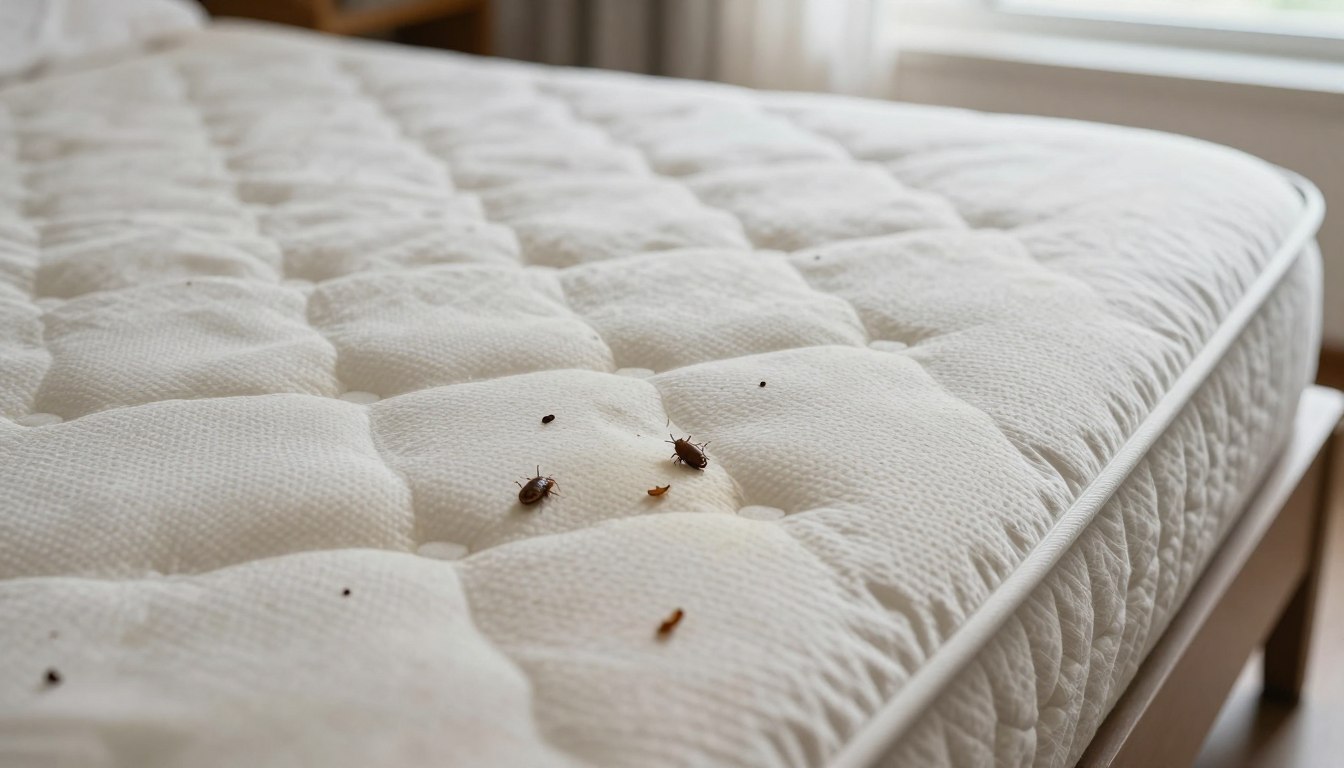
One unnoticed female can lay hundreds of eggs during her lifetime. CX Pest Solutions is a trusted local authority for fast, professional bed bug pest control when signs appear.
Act quickly if you notice live insects, tiny eggs, shed skins, blood spots, dark fecal marks, itchy bites, or a musty odor. Hidden insects may keep breeding even after visible activity stops, turning a small concern into a serious bed bug problem.
Call CX Pest Solutions at 877-819-5061 to schedule an inspection or request a quote. A professional assessment can locate hiding areas and confirm the right treatment plan. Do-it-yourself sprays often miss cracks, furniture joints, and nearby rooms.
The company also offers a 30-Day Money Back Guarantee for treatment. Patrick B. describes the team as friendly, fairly priced, and always on time. This guide covers hiding places, spread routes, urgent steps, treatment options, follow-up inspections, and seasonal prevention.
Key Takeaways
- Early signs can appear before the issue becomes widespread.
- Contain affected items and reduce movement between rooms.
- Professional inspections reveal hidden activity.
- Call 877-819-5061 for help from CX Pest Solutions.
- Follow-up visits help confirm lasting results.
- Seasonal checks can reduce future risk.
Early Signs of a Bed Bug Infestation
Early evidence can look minor, but quick action limits the chance of a wider infestation. Bites alone do not prove the cause, since skin reactions vary from person to person. Physical evidence offers a stronger answer.
Live Insects, Eggs, and Shed Skins
Look for adult bed bugs, pale eggs, translucent young insects, and empty shed skins. Check mattress seams, bedding folds, furniture joints, and nearby cracks. Take clear photos and note the location without moving or cleaning the area.
Blood Spots, Fecal Marks, and Musty Odors
Rust-colored blood spots may appear on sheets or clothing. Small dark fecal marks can gather along seams and on nearby furniture. A musty odor may signal heavier activity, but smell alone cannot confirm the source.
Store your notes and photos for CX Pest Solutions. A trained inspector can search cracks, crevices, bedding, and furniture that surface checks miss. Sprays may kill exposed insects only when contact occurs. Hidden insects can survive, breed, and expand the infestation. Learn more about early warning signs and call 877-819-5061 when evidence remains unclear.
CX Pest Solutions Service Area and Bed Bug Expertise
CX Pest Solutions is a local pest-management company serving homeowners, landlords, and businesses in its established service areas. Its team focuses on residential and commercial concerns, including hidden insects, nuisance wildlife, and property protection.
Because coverage can vary by location, customers should confirm available communities directly. The company can explain local service options, inspection steps, and treatment timelines without relying on unsupported city lists.
Local Bed Bug Control for Homes and Businesses
Residential work may support houses, apartments, rental units, and multi-unit properties. Commercial service can help offices, lodging sites, retail spaces, and other local facilities protect guests, staff, and operations.
- Schedule an inspection or request a quote at 877-819-5061.
- Ask which service areas and appointment times apply to your property.
- Share photos, activity notes, and access details before the visit.
Patrick B. praised CX Pest Solutions for friendly service, fair pricing, and punctual appointments. Separately, Orkin reports more than 125 years of serving businesses of every size and type; that statistic does not describe CX Pest Solutions.
Where Bed Bugs Hide in Homes and Commercial Properties
A careful room-by-room search often reveals activity before it reaches more areas. These insects stay close to people, then move into narrow spaces during daylight. Homes, hotels, offices, and rental units can all offer suitable hiding areas.

Mattresses, Box Springs, and Bedding
Start with mattress seams, tufts, labels, bed frames, and bedding folds. Inspect the edges and underside of box springs as well. Mattress encasements can keep insects out and contain those already inside. Box-spring encasements provide the same barrier for that foundation.
- Check sheets, blankets, and fabric folds near sleeping areas.
- Look beneath labels and along stitching for eggs or shed skins.
- Keep encasements sealed and inspect them for tears.
Furniture, Cracks, and Wall Crevices
Activity may extend beyond the sleeping area. Furniture joints, drawer tracks, upholstered seams, baseboards, loose wallpaper, and wall crevices offer shelter. Clutter and unsealed cracks create more hiding space in homes and commercial rooms.
Do not move furniture without guidance. Relocation can spread insects to clean rooms. Professional inspections examine bedding, furniture, cracks, and crevices across the property. Follow official cleaning guidance while awaiting an inspection.
How Bed Bug Infestations Spread
Movement often starts with personal belongings rather than the room itself. Luggage, clothing, used furniture, mattresses, cartons, and items carried between rooms can transport hidden insects. A small bug infestation may reach new areas before anyone notices clear evidence.
An untreated room can become a larger problem when survivors remain inside seams, cracks, or furniture joints. Sprays may reach exposed insects while hidden insects continue feeding, breeding, and expanding the problem. Moving furniture or sleeping in another room can spread the problem instead of solving it.
- Shared hallways and laundry areas increase exposure in multi-unit housing.
- Hotels, offices, and other commercial properties face repeated movement of people and belongings.
- Do-it-yourself treatment may miss concealed activity and prolong the problem.
- Evidence in more than one room calls for a professional assessment.
CX Pest Solutions can evaluate travel routes, hiding areas, and conditions that support rapid spread. Early service limits disruption, protects nearby rooms, and helps owners avoid higher treatment costs. An inspection also guides a practical plan before treatment begins.
Immediate Actions to Stop Bed Bugs from Spreading
Fast, careful steps can protect your home while you arrange professional help. Keep belongings in the affected room, and do not carry untreated items through the home.
Laundering and Heat-Drying Infested Items
Place washable clothing, sheets, and suitable fabrics in a dryer on high for 30 minutes. Follow the appliance label and fabric-care directions. Florida guidance states that temperatures of 125°F or higher kill every life stage. Household heat still needs care, since some materials can shrink, melt, or ignite.
Vacuuming and Safe Disposal
Vacuum mattress seams, floors, furniture edges, and nearby cracks. Remove the vacuum contents at once. Seal them in a bag and place the bag in an outdoor bin. This step removes visible insects but does not reach every hidden area.
Using Mattress and Box Spring Encasements
Install certified encasements on the mattress and box spring. Check for tears, seal each closure, and keep them secured as the label directs. Do not move untreated items between rooms.
| Action | Safe guideline | Purpose |
|---|---|---|
| Dry fabrics | High heat for 30 minutes | Reduce all life stages |
| Vacuum areas | Seal contents immediately | Limit reinfestation |
| Use encasements | Inspect seals and tears | Contain hidden insects |
Why Professional Bed Bug Inspection Matters
A trained eye can separate a minor concern from hidden activity that threatens home comfort. A professional inspection is the first step because signs may sit beyond visible sheets or bite marks.

Identifying Hidden Infestations
CX Pest Solutions should check beds, furniture, cracks, crevices, bedding, and nearby areas. The visit can reveal adults, eggs, nymphs, and shed skins. It can also show clutter, gaps, or shared walls that support spread.
These findings help identify each life stage and the conditions that let the life cycle continue. The Florida Department of Agriculture and Consumer Services highly recommends hiring a licensed pest-control company for bed bugs.
Bite patterns alone cannot confirm the source. A careful inspection measures severity and helps set the treatment scope, preparation steps, safety measures, and need for follow-up visits.
- Request a written report after every service visit.
- Confirm the findings and work completed.
- Ask for clear next steps and monitoring guidance.
Keep each report with your property records. Clear documentation supports safer decisions and helps protect your family’s daily life.
Bed Bug Pest Control from CX Pest Solutions
CX Pest Solutions builds each service plan from property-specific findings. The team reviews room layout, activity level, furnishings, occupants, pets, and business needs before selecting professional treatments. This approach helps target the source instead of relying on a one-size-fits-all product.
Customized Treatment Plans for Each Property
Plans may combine controlled heat with carefully selected pesticides. Homeowners receive steps that fit their space and belongings. Managers also receive scheduling options that reduce disruption to guests, staff, or daily operations.
Targeting Every Life Stage
Effective service must address eggs, nymphs, and adult insects. Leaving one stage behind can allow activity to return. CX Pest Solutions may recommend several rounds of treatment, followed by scheduled inspections to measure progress and confirm results.
When you need to eliminate bed bugs, trained exterminators can provide a clearer path than repeated store-bought products. Call 877-819-5061 to request an inspection or quote. The source also lists a 30-Day Money Back Guarantee for its service.
Integrated Pest Management and Bed Bug Treatment Methods
A smart plan combines several proven steps instead of relying on one product. Integrated pest management uses inspection, heat, targeted products, monitoring, sanitation, and prevention. This integrated pest management approach limits risks to people, pets, helpful organisms, and the environment.
Professional Heat Treatments
Professional heat treatment can raise room temperatures to 125°F or higher. That heat level is reported to kill every life stage, including eggs. Technicians must monitor the temperature and protect items that could suffer heat damage.
Targeted Pesticides and Insecticidal Dusts
Targeted treatment applies approved products to suitable surfaces and hiding zones. Direct spraying alone may miss insects deep inside cracks. Silicone dioxide and diatomaceous earth dusts work by drying them out. Use each product only as its label directs.
Resistance can develop quickly. Products with two or more modes of action may reduce treatment failures. Fumigation remains an extreme option because it kills all living organisms inside a home. Ask a licensed provider about a safer management approach, or review professional treatment options.
| Method | Main benefit | Key caution |
|---|---|---|
| Heat | Reaches 125°F or higher | Protect heat-sensitive items |
| Targeted products | Focuses on hiding zones | Follow label directions |
| Fumigation | Extreme-case option | Requires strict professional management |
How to Prepare for Safe Bed Bug Treatment
A well-organized preparation process helps technicians work safely and reach problem areas. Start by following the written directions from CX Pest Solutions. Do not move, discard, launder, or bag belongings unless the team tells you to do so.
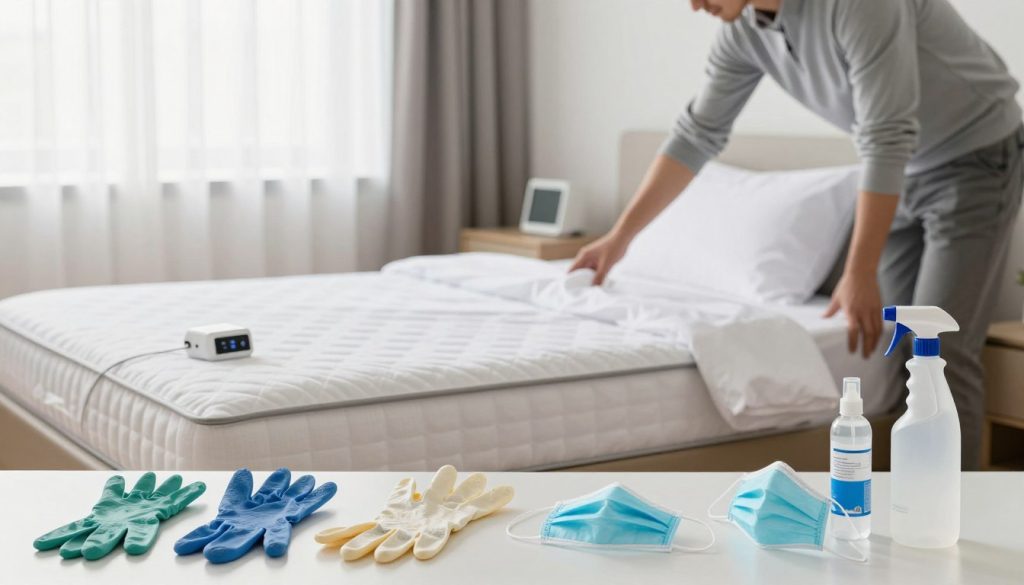
Remove extra clutter from the treatment area, but keep it inside that space. Moving items to another room can spread hidden insects. Secure food, medicine, children’s belongings, and pet supplies before the service begins.
- Ask which items need washing, sealing, removal, or special handling.
- Keep people and pets away from treated rooms.
- Wait until every treated surface dries before allowing access.
- Use only products and steps approved by the technician.
Household pesticides use low concentrations for small insects, yet safe application still matters. The treatment process must account for children, pets, food, and household surfaces. Call CX Pest Solutions at 877-819-5061 if any preparation step seems unclear.
| Preparation area | Recommended action | Safety reason |
|---|---|---|
| Clutter | Keep items in the treated room | Limits spread |
| Supplies | Cover or remove food and medicine | Prevents contact |
| Access | Wait until surfaces dry | Protects people and pets |
Follow-Up Inspections and Infestation Prevention
Follow-up visits confirm whether treatment is working. Complete elimination often takes more than one round because eggs or hidden insects may remain after the first service. Scheduled inspections help detect lingering activity before infestations grow.
Monitoring for Lingering Activity
Report new sightings, blood spots, dark marks, or bites to CX Pest Solutions. Do not apply unapproved products between visits. Those products may hide evidence, interfere with treatment, or make infestations harder to assess.
- Keep a record of where and when you notice new signs.
- Allow technicians to inspect rooms listed in the service plan.
- Review each report for remaining evidence and next steps.
Preventing Reinfestation After Treatment
Keep mattress and box-spring covers sealed and free from tears. Reduce clutter near furniture, baseboards, storage areas, and sleeping spaces. Inspect luggage after travel and examine secondhand furniture before bringing it indoors.
Save every service report with the treatment date, inspected rooms, findings, and recommendations. Clear records help track infestations, support timely action, and reduce the chance of future infestations.
Commercial Bed Bug Control for Local Properties
Local operators need a response that protects guests, staff, and daily operations. CX Pest Solutions can create discreet service plans for hotels, offices, apartment buildings, healthcare settings, retail locations, and other commercial properties.
The process starts with an inspection and diagnosis. Technicians assess severity, review nearby rooms, and recommend a treatment plan. Removal may include preparation guidance, coordinated treatment areas, and follow-up monitoring. Documented findings give managers a clear record for owners, occupants, and employees.
Discreet scheduling can limit interruptions and reduce public concern. Managers should report signs quickly because insects may move through shared furniture, luggage, walls, and adjoining rooms. Prompt extermination planning can also help protect the reputation and continuity of a local business.
- Inspection and written findings
- Customized treatment and preparation steps
- Coordinated access for affected areas
- Follow-up checks after extermination
Orkin reports more than 125 years of experience serving businesses of every size and type. For a tailored quote and service discussion, call CX Pest Solutions at 877-819-5061. You can also review commercial service options.
Seasonal Bed Bug Prevention Guide
Seasonal travel and changing indoor habits can create new risks. A simple prevention routine helps protect homes, rentals, and vacation spaces throughout the year. For additional health guidance, review this infestation overview.
Travel and Summer Prevention
Before unpacking at a hotel, check mattress seams, box springs, luggage racks, and upholstered furniture. Keep suitcases off sleeping areas. After returning home, place washable clothing in a dryer and use high heat for 30 minutes when the care label allows. Heat of 125°F or higher kills every life stage.
- Inspect suitcase seams, pockets, wheels, and handles before storage.
- Keep travel bags away from sleeping spaces during unpacking.
- Dry suitable fabrics before placing them in drawers or closets.
Fall and Winter Home Protection
In fall, inspect secondhand furniture before bringing it indoors. Seal gaps near baseboards, wall joints, and sleeping areas before colder months. In winter, reduce bedroom clutter, keep encasements intact, and schedule a professional inspection if unexplained marks or insects appear.
Conversational Answers About Local Bed Bug Control
Clear answers can help homeowners, renters, and managers choose the right next step. CX Pest Solutions offers local guidance based on inspection results, property needs, and treatment goals.
How Can I Get Rid of Them Quickly?
CX Pest Solutions starts with an inspection, then creates a focused plan. Professional treatment and scheduled follow-up visits can address the issue faster and more safely than relying on one store-bought application.
Does Heat Treatment Eliminate Them?
It can eliminate every life stage when trained technicians raise and maintain temperatures of at least 125°F throughout the required treatment areas. Technicians also protect heat-sensitive belongings during service.
Where Do These Insects Hide During the Day?
Common daytime hiding places include mattress seams, box springs, furniture joints, cracks, crevices, bedding, and spaces near sleeping areas. A detailed inspection can reveal activity outside normal sightlines.
Should I Call a Professional for Bed Bugs?
Yes. The Florida Department of Agriculture and Consumer Services advises hiring a licensed pest-control company. CX Pest Solutions can confirm the source, identify hiding areas, and recommend safe next steps.
How Much Does Treatment Cost?
Pricing depends on property size, severity, affected rooms, selected methods, preparation, and follow-up needs. CX Pest Solutions must inspect the property before providing an accurate quote.
| Question | Direct answer | Best next step |
|---|---|---|
| Speed | Plans vary by property | Request an inspection |
| Heat | 125°F can reach all life stages | Use trained technicians |
| Cost | Depends on site conditions | Ask for a written quote |
Bed Bug Service Matrix for Homes and Businesses
Each property needs a service plan based on its layout, evidence, and daily use. The matrix below shows common service options and suitable customer settings. CX Pest Solutions can confirm the right interval after an on-site assessment.
| Customer | Service focus | Recommended interval | Next step |
|---|---|---|---|
| Residential home | Heat, targeted products, encasements | Based on inspection findings | Call CX Pest Solutions |
| Rental property | Dust application, monitoring, room review | Property-specific follow-up | Arrange an assessment |
| Hospitality site | Heat, targeted products, monitoring | Set after the initial inspection | Request a service plan |
| Office or retail site | Targeted products and preventive checks | Based on activity and access | Discuss scheduling options |
| Multi-unit building | Inspections, dusts, encasements, monitoring | Multiple rounds may be needed | Coordinate a property review |
Request an initial inspection when you find live insects, eggs, shed skins, blood spots, fecal marks, or unexplained evidence. Full elimination often requires multiple treatment rounds. Follow-up timing depends on findings, treatment method, and nearby activity.
- Keep service reports and treatment dates together.
- Follow preparation instructions for every visit.
- Ask CX Pest Solutions to set the next inspection date.
Conclusion
A prompt response protects your home, tenants, guests, and daily routine. If you find signs, contain nearby items, launder safe fabrics, vacuum carefully, and arrange a professional inspection. Avoid carrying belongings into clean rooms, since relocation can spread bed bugs.
CX Pest Solutions uses inspection findings to locate hidden activity and build a property-specific plan. Heat at 125°F or higher, targeted products, sealed encasements, and monitoring may work together when trained technicians select the right approach.
- Do not rely on unsupported do-it-yourself claims.
- Follow preparation instructions before service.
- Keep reports and follow-up dates for your records.
Homeowners and businesses can call CX Pest Solutions at 877-819-5061 to discuss inspection, treatment options, preparation, and prevention. Early guidance can limit disruption and support lasting results.