
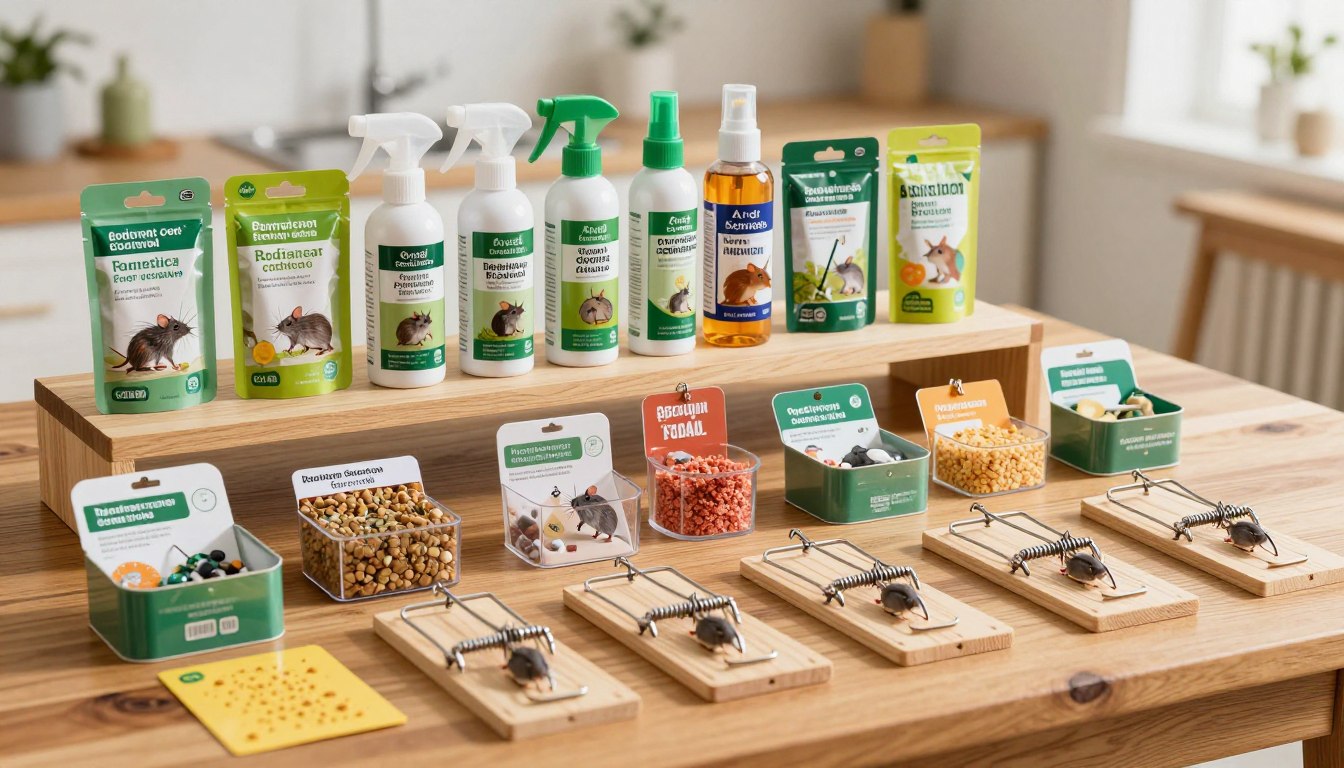
DIY Pest Control lists 345 rodent control products, yet the best choice is rarely the biggest trap or the strongest bait. Start with the species, activity level, location, safety risks, and your goal. Do you need fast removal, long-term prevention, or both?
Shoppers can compare traps, baits, stations, repellents, and humane solutions. Each option fits a different setting, from an attic with light mouse activity to a busy garage with signs of rats. Professional-grade tools also support many do-it-yourself plans.
A smart selection addresses more than visible signs. It also considers gaps, food sources, nesting areas, pets, and children. This page explains mouse and rat behavior, product types, safe use, seasonal prevention, ordering, and when to seek expert help.
CX Pest Solutions is a trusted local resource for guidance, inspections, and treatment decisions. Use this guide to choose the right rodent control approach and decide when professional service makes sense.
Key Takeaways
- Match the solution to the species and activity level.
- Address entry points, food, and shelter.
- Compare traps, baits, stations, repellents, and humane options.
- Review safety needs before placing any product.
- Consider professional guidance for complex infestations.
Understanding Rodent Control Products for Mice and Rats
Choosing a solution starts with identifying the animal and its travel route. DIY Pest Control offers 345 items, including traps, baits, repellents, and humane options. That wide selection becomes easier to manage when you know which signs to look for.
Signs of Mouse Activity in a Home
Mice often stay near kitchens, cabinets, walls, and stored food. Look for small droppings, gnaw marks, shredded nesting material, and light scratching after dark. Greasy rub marks may appear along baseboards or near narrow openings.
Signs of Rat Activity Around a Property
Rats usually leave larger signs near garages, sheds, exterior walls, drains, and property edges. Check for larger droppings, heavy gnawing, packed soil, and strong scratching sounds. Document each location before selecting a product.
- Seal food and remove clutter that offers shelter.
- Do not assume one trap or repellents will solve every issue.
- Contact CX Pest Solutions when signs spread, return, or remain unclear.
These tips help narrow the right type of pest control and application method. They also make it easier to get rid of mice and rats safely when food, shelter, or entry points continue to support the problem.
CX Pest Solutions Brand Overview and Service Area
CX Pest Solutions is a named pest-management brand that offers local guidance for rodents and other household or property pests. Its service area should be confirmed through the current company website before you request an inspection or treatment.
The company helps homeowners, landlords, and property owners choose practical solutions instead of relying on a generic product list. Its resources can support inspection, safe placement, and long-term prevention.
Local Pest Management Specialties for Rodents and Other Pests
CX Pest Solutions may guide clients through identification, trapping, baiting, exclusion, and sanitation. These steps address both active signs and conditions that attract pests.
- Inspection of indoor and outdoor activity
- Selection of suitable traps, bait, or other products
- Entry-point sealing and sanitation guidance
- Broader pest control support for homes and properties
For current service-area information, review the CX Pest Solutions contact resource before scheduling service. This step confirms availability and helps match the right approach to your property.
| Service focus | Useful for | Typical guidance |
|---|---|---|
| Inspection | New signs | Identify species and travel paths |
| Exclusion | Repeat activity | Seal gaps and reduce shelter |
| Sanitation | Food-related activity | Store food and remove waste |
Choosing Products Based on Rodent Behavior
Let activity patterns guide your purchase. The right option depends on travel routes, food access, nesting sites, and how often signs appear. These details help narrow the best rodent control methods for your home.
How Mice and Rats Respond to Food-Based Baits
Fresh bait works best when placed beside active runways, not in open areas. Remove competing food, protect the bait from moisture, and check it on a regular schedule. Mice often explore new items quickly, while rats may avoid a new station for several days.
- Track droppings, rub marks, and sounds before placement.
- Keep bait near walls and hidden travel paths.
- Monitor activity and replace stale material.
When Activity Requires Different Methods
One option may fail when nests, food, or entry gaps exist in several areas. Combine traps, sanitation, and exclusion rather than relying on repellents alone. These control products support a broader pest solution, but safe placement remains essential.
If signs continue after proper use, contact CX Pest Solutions. A trained technician can identify the species and recommend a suitable approach to get rid of the issue.
Mouse and Rat Traps for Targeted Control
Trap selection should match the animal, travel path, and safety needs of the space. DIY Pest Control offers professional-grade traps and humane solutions for targeted removal. Use guidance from managing mice and rats when planning placement and follow-up.

Snap Traps for Fast Rodent Removal
Snap traps work well along established runways. Set them perpendicular to walls, near droppings, or beside known travel routes. Choose a size suited to mice or rats, then use several traps in active areas. Avoid scattering unsuitable traps across the property.
Live-Catch Traps and Humane Considerations
Live-catch traps avoid a lethal method, but they need frequent inspection. Relocation may break local wildlife rules and can release animals near another structure. Check local guidance before moving any captured animal.
Glue Traps and Product Limitations
Glue traps can raise animal-welfare concerns. Dust reduces the adhesive, while cold or dirty locations weaken performance. Handle glue traps carefully and consider safer solutions when children, pets, or wildlife may reach them.
Rodent Baits and Rodenticides
Bait can seem simple, but safe use depends on its formula, placement, and follow-up. DIY Pest Control offers professional-grade products for targeted rodent control. Read the label before opening any package.
How Bait Formulations Work
Rodenticide formulas attract rodents to a treated food source. The label explains the correct location, amount, storage, and disposal method. Never increase the dose or place bait where a child, pet, or wild animal can reach it.
Choose traps instead when indoor mice travel through known paths or when a hidden carcass could cause odor. Outdoor rats or heavy activity may require a different approach. Glue traps and repellents do not replace careful sanitation and entry-point repairs.
When to Use Tamper-Resistant Bait Stations
Use tamper-resistant stations whenever pets, small children, or wildlife share the area. Consumer Reports gives an under-stove location as one example, provided the station stays secure and label directions allow it. Stations limit direct access, but they still need checks for damage, moisture, movement, and secondary hazards.
- Keep bait away from food and water.
- Remove dead animals with care.
- Ask CX Pest Solutions about uncertain placement or exposure.
Rodent Control Stations and Placement
Placement often determines whether a station or trap works. Look for droppings, rub marks, and gnawing before you set anything. Keep a written map of each location and inspection date.
Indoor Placement for Mice
Where should you place indoor traps? Set them beside walls, behind appliances, under sinks, and near clear activity. Consumer Reports notes that a bait station may sit under a stove when it remains out of reach of children and pets.
Use several traps along a quiet travel route, not in the center of a room. Secure each station so it cannot slide or tip. Remove competing food, and inspect the area as directed on the label.
Outdoor Placement for Rats
Place outdoor stations beside protected routes near fences, sheds, foundations, and waste areas. Avoid open ground where wildlife, rain, or pets can disturb them. Check for damage and activity on a regular schedule.
Stations cannot stop reinvasion through gaps. Seal cracks with caulk and add weather stripping around doors and windows. Flex Caulk High Performance Hybrid Caulk costs about $20 and is described as immediately impermeable. Repellents alone cannot replace exclusion, sanitation, and safe monitoring.
Repellents and Nonlethal Rodent Solutions
Repellents may help prevent occasional activity, but they are not a reliable answer for an active infestation. Rodents that already nest inside a wall, attic, or cabinet may ignore a scent and remain close to food and shelter.
DIY Pest Control lists repellents and humane options among its available categories. Commercial scent products vary in ingredients and directions. Consumer Reports notes that peppermint and vinegar sprays may claim to repel pests, yet their results remain difficult to measure because they do not receive the same testing as standard chemicals.
Nonlethal solutions work best as part of a broader plan. Seal gaps, store food in closed containers, remove clutter, and reduce outdoor shelter. Habitat changes address the reasons an animal stays on a property.
Live-catch traps offer another option, but they require frequent checks and careful handling. Release rules may also vary by location. Use repellents as a limited prevention aid, not as a guaranteed way to remove established rodents. Contact CX Pest Solutions when activity continues, wildlife may be exposed, or local rules make the right control method unclear.
Product Safety for Children, Pets, and Wildlife
Safe pest control starts before any item leaves its package. Read the complete label for warnings, approved locations, dosage limits, and disposal steps. Follow every direction, even when the task seems simple.

Reading Labels and Following Directions
Keep bait, traps, glue items, and repellents away from children, pets, and wildlife. Consumer Reports recommends placing bait stations out of reach. Under a stove may work when the station stays inaccessible and the label permits that location.
- Store unused products in their original containers.
- Block access during setup, checks, cleanup, and disposal.
- Never assume a natural ingredient is harmless; testing and risks can differ.
Inspect stations for damage, movement, or moisture. Remove spills at once, and wash hands after handling any item. If a child, pet, or wild animal may have touched bait, contact a veterinarian, poison center, or CX Pest Solutions promptly. Seek professional help when safe placement cannot remain secure.
| Safety concern | Recommended action | When to seek help |
|---|---|---|
| Child or pet access | Use an inaccessible station | Exposure or damaged packaging |
| Wildlife contact | Secure outdoor placement | Captured or exposed animal |
| Storage | Keep the original container locked | Unknown substance or spill |
Rodent Service Matrix for Homes and Properties
A clear service path can save time, reduce risk, and guide better buying decisions. CX Pest Solutions can match each visit to the site, the customer, and the level of activity.
Inspection and Identification for Homeowners
Inspection comes first for homeowners who see signs but cannot identify the cause. A technician can distinguish mice, rats, and other pests before recommending New York rodent control options or control products. The same careful review helps assess other concerns, such as early bed bug signs.
Trapping and Baiting for Active Infestations
For active cases, CX Pest Solutions should select traps or stations, set placement points, and plan monitoring. The team can adjust methods when food access, weather, or building design changes. These solutions work best when technicians review results during each visit.
Exclusion and Preventive Treatment for Property Owners
Property owners may need exclusion when gaps, storage areas, garages, tenant concerns, or multiple structures support recurring activity. Sealing entry points follows the initial inspection and active control phase.
| Service | Best customer | Suggested interval |
|---|---|---|
| Inspection | Homeowners with new signs | Initial visit |
| Traps and baiting | Sites with active rodents | Follow-up monitoring |
| Exclusion | Owners with repeat entry | Periodic prevention |
CX Pest Solutions should confirm the service interval for each property. No single schedule fits every building.
How to Compare Rodent Control Products
A useful comparison begins with the site, not the package design. DIY Pest Control lists 345 rodent control products, so narrow the selection by species, activity, location, and your ability to monitor results.
Effectiveness, Application Method, and Coverage
Match the product to mice or rats, then review how it works. Snap traps suit known indoor paths. Bait stations may fit secured outdoor routes. Humane traps and repellents serve different goals and need regular checks. Avoid loose bait where children, pets, or wildlife may reach it.
Measure coverage before buying. Count rooms, structures, entry points, and exterior routes with signs. A single item may not meet the needs of a large property. Glue traps also require careful placement and frequent inspection.
Price, Brand Reputation, and Product Availability
Compare price with coverage, label information, and monitoring needs. Consumer Reports lists Terro Liquid Ant & Roach Baits at $11, but that example concerns ants, not rodents. Do not treat it as a recommendation for this use.
Review brands, customer resources, and availability before checkout. A trusted brand, clear directions, and local pest control guidance from CX Pest Solutions can support a safer selection of control products.
- Confirm the type and approved use.
- Check stock and delivery timing.
- Choose control products that fit the site.
Using Products With Exclusion and Sanitation
Long-term prevention works best when removal and building care support each other. Traps, bait stations, and repellents address current activity. Exclusion blocks the openings that let a rodent enter again.
Consumer Reports recommends sealing cracks with caulk and adding weather stripping around doors and windows. Flex Caulk High Performance Hybrid Caulk is a source-listed example. It costs about $20 and is described as immediately impermeable.
Sanitation also reduces the reasons a pest stays nearby. Clean crumbs, wipe counters, secure garbage, and store pantry goods in rodent-resistant containers. These simple steps limit food access and make monitoring easier.
- Inspect foundations, pipes, vents, and door gaps for openings.
- Place traps or stations only where activity appears.
- Check repairs and monitoring points on a regular schedule.
- Combine sanitation, exclusion, and selected control products.
One item rarely solves recurring activity when shelter and entry routes remain. Use these tips to build a complete plan, then contact CX Pest Solutions when signs continue or safe placement creates concern.
Seasonal Rodent Prevention Guide
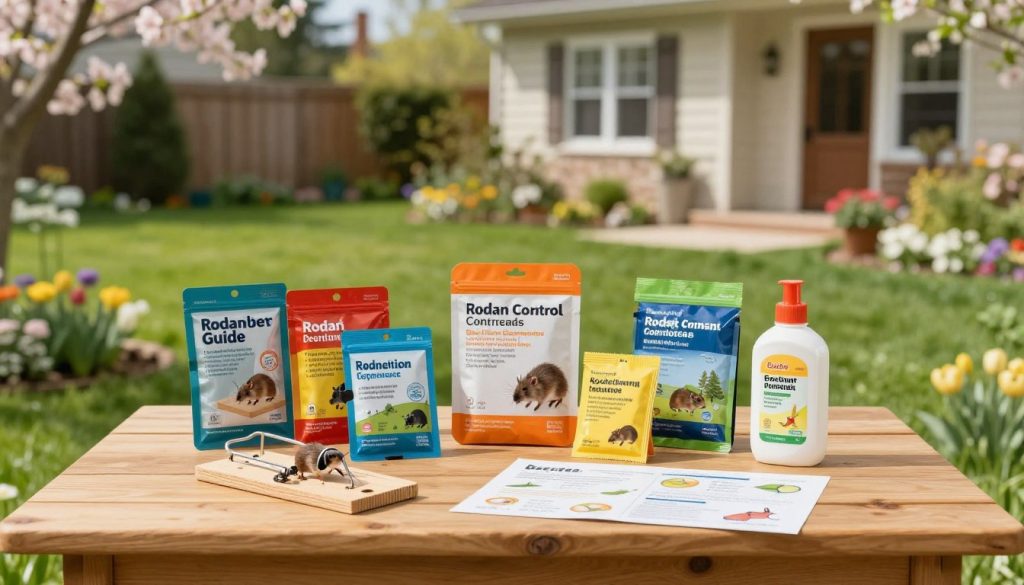
Weather changes can shift where mice and rats search for food, warmth, and shelter. A seasonal plan helps limit entry, reduce attractants, and show when professional solutions may help.
Fall and Winter Entry Prevention
- Fall: Inspect foundations, utility openings, doors, and windows. Seal cracks with caulk and add weather stripping before cold weather pushes rodents indoors.
- Winter: Check garages, basements, attics, and kitchens for droppings or gnaw marks. Keep traps and bait stations away from children and pets.
Spring and Summer Food and Shelter Control
- Spring: Remove nesting material, repair screens, clean storage areas, and inspect sheds or other outdoor structures where rats may shelter.
- Summer: Secure garbage, compost, birdseed, pet food, and pantry items. Trim dense plants and clear clutter near the property edge.
These simple tips support safer control products and reduce the need for repellents. Consumer Reports featured caulk and weather stripping in its July/August 2025 magazine issue. Use that dated resource for general guidance, then contact CX Pest Solutions for site-specific recommendations and local pest resources.
| Season | Priority task | Key area |
|---|---|---|
| Fall | Seal openings | Foundation and windows |
| Winter | Monitor signs | Attic and kitchen |
| Spring | Remove shelter | Sheds and storage |
| Summer | Secure food | Garbage and yard |
Conversational Local Pest Control Answers
Local advice is most useful when it matches your home, activity level, and safety needs. CX Pest Solutions can review the signs and explain which method fits the situation.
What is the best rodent control near me for mice and rats?
The best option depends on the species, location, infestation severity, and household risks. CX Pest Solutions can determine whether inspection, traps, baiting, exclusion, or a combined plan will help you get rid of the problem.
How can CX Pest Solutions help with an active rodent problem?
CX Pest Solutions can inspect travel paths, identify the animal, and recommend suitable control products. The team can also decide if recurring visits are needed when activity returns or affects several areas.
Are rodent control products safe for homes with pets?
Products are not automatically safe around pets. Follow the label, secure every station, and keep animals away from treated areas. Ask CX Pest Solutions for safer placement guidance when access is difficult.
When should I call CX Pest Solutions instead of using traps?
Call when signs persist, nests remain inaccessible, traps fail repeatedly, or the species is unclear. Professional pest control is also wise when children, pets, or other pests may face exposure.
How often should a property receive rodent control service?
Intervals vary with the property, season, activity, and treatment results. CX Pest Solutions should set the follow-up schedule after inspection and adjust it as monitoring shows progress.
| Situation | Recommended next step | Why it helps |
|---|---|---|
| New signs | Schedule an inspection | Confirms species and location |
| Pet access | Secure stations | Reduces exposure risk |
| Returning activity | Plan follow-up service | Tracks results over time |
Ordering Rodent Control Products From CX Pest Solutions
Smart online shopping turns a broad catalog into a focused purchase. CX Pest Solutions inventory should be checked before you order, since stock, shipping, price, and brand details may change.
Selecting Products for Indoor and Outdoor Use
Confirm the label before adding an item to your cart. It must state whether indoor or outdoor use is allowed. Compare target species, weather exposure, placement, household safety, and monitoring needs.
- Choose traps for visible travel paths and quick checks.
- Use secured stations where outdoor exposure or pet access creates risk.
- Consider repellents only for limited prevention, not an active infestation.
The DIY Pest Control catalog lists 345 items. That range shows why careful selection matters more than an automatic purchase. Review the CX Pest Solutions page for current availability, shipping terms, and safe-use directions before you order.
Add only suitable items to your cart. If signs continue or access points remain hidden, ask about inspection, treatment, exclusion, or follow-up solutions instead.
| Shopping step | What to verify | Best action |
|---|---|---|
| Use area | Indoor or outdoor label | Match the site |
| Item details | Brand, price, and stock | Review the page |
| Ongoing signs | Safety and monitoring needs | Contact CX Pest Solutions |
When Professional Rodent Control Is the Better Choice
Some infestations need more than careful shopping. Call CX Pest Solutions when signs appear in several rooms, return after treatment, or come from walls, ceilings, or other hidden spaces.
Professional pest control also makes sense when activity affects more than one building. Continued signs after correct use of traps or bait stations may indicate open entry points, nesting areas, or an overlooked food source.
- Seek help when you cannot tell if the animal is a mouse, rat, or another species.
- Avoid improvised products when children, pets, or wildlife can reach the area.
- Ask for guidance when bait placement, wall voids, or attic access creates uncertainty.
CX Pest Solutions can coordinate identification, product selection, trapping, baiting, exclusion, sanitation advice, and follow-up monitoring. This plan helps homeowners get rid of visible rodents while addressing the conditions that support reinfestation.
Repellents may offer limited support, but they do not repair gaps or remove shelter. A professional pest control visit can connect each step and provide practical solutions for safer, lasting results.
Conclusion
A safer purchase begins with evidence from your property. Match rodent control products to the species, activity, placement, and household risks. Decide whether you need removal, prevention, or both before you shop.
Use traps, bait stations, repellents, or humane options exactly as the label directs. Package claims do not replace proper identification. Pair control products with clean storage, sealed food, caulk, weather stripping, less shelter, and routine checks.
Keep all bait and equipment inaccessible to children, pets, and wildlife. Consumer Reports also advises placing bait stations where others cannot reach them.
When signs persist or safe placement feels uncertain, contact CX Pest Solutions. A professional inspection can support exclusion, treatment, and scheduled follow-up. Choose a clear plan today, then monitor the results.