
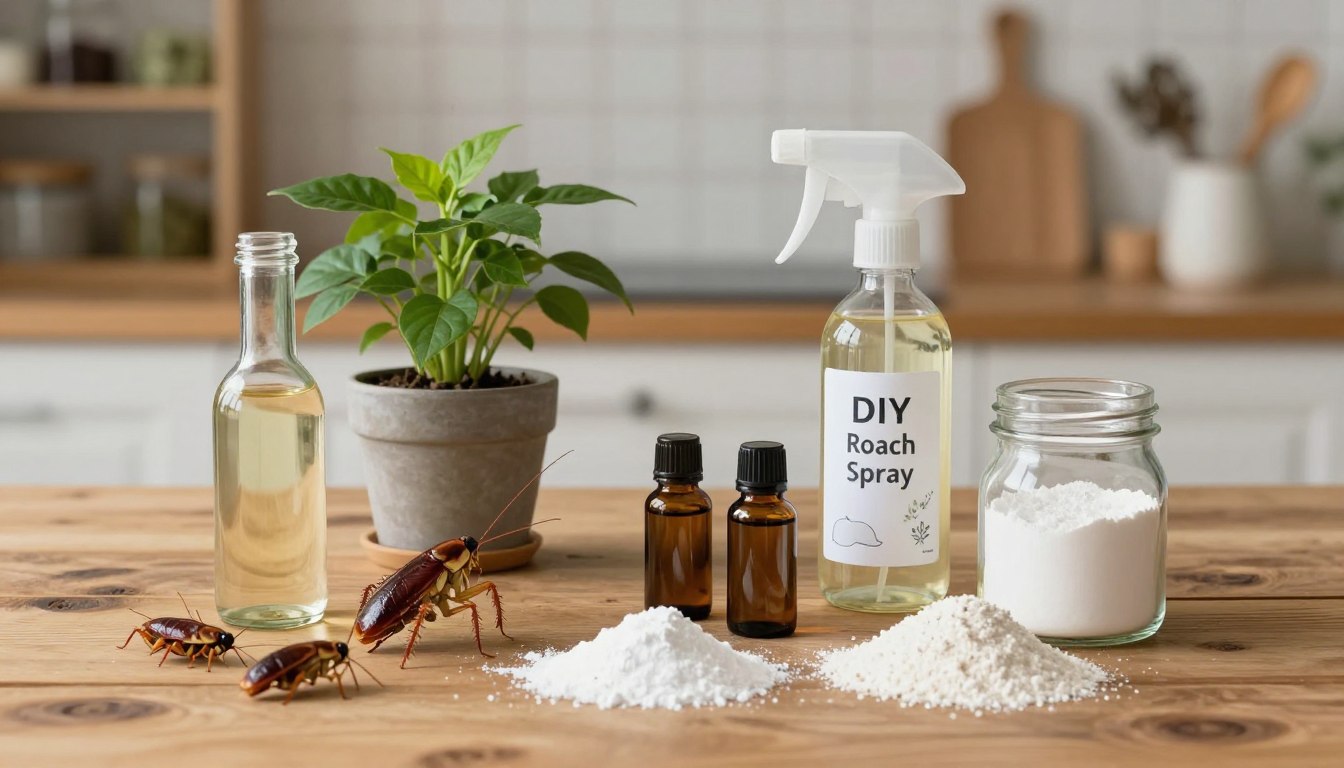
This guide compares baking soda, sugar, diatomaceous earth, essential oils, bay leaves, boric acid, traps, and professional pest exterminator. You will learn when a DIY approach makes sense, when natural methods fall short, and when CX Pest Solutions may offer the safest next step.
Key Takeaways
- Natural remedies may reduce activity for a short period.
- Sanitation, sealing gaps, and targeted treatment work better for established infestations.
- German and American roaches differ in size, appearance, and treatment needs.
- Kitchens and bathrooms provide common sources of food, water, and shelter.
- Large or recurring infestations may need professional help.
What Do It Yourself Roach Control Can and Cannot Do
Natural methods can offer brief relief, but they rarely end an active infestation. They work best for prevention, reducing attractants, and deterring a few roaches.
When Natural Remedies Provide Short-Term Relief
Roaches are nocturnal and seek warm, dark, wet areas. Removing food, fixing leaks, storing items tightly, and sealing small gaps can make a home less inviting. These steps may lower activity, yet hidden harborages can remain.
Why Active Infestations Often Need Targeted Treatment
German cockroaches may spread bacteria linked to gastroenteritis, food poisoning, dysentery, and diarrhea. A growing infestation needs treatment that reaches adults, young insects, and concealed nests.
- Baits and gels attract insects to active feeding sites.
- Residual sprays treat travel routes and entry points.
- Insect growth regulators affect immature stages.
| Approach | Best Use | Main Limit |
|---|---|---|
| Sanitation | Prevention | Cannot reach hidden nests |
| Natural deterrents | Brief relief | Results may fade quickly |
| Professional pest control | Established infestation | Requires careful application |
How to Identify German, American, and Brown-Banded Roaches
Size, color, markings, and location can reveal which pest has entered a home. Accurate identification helps match the right treatment and prevents a small problem from growing.
Small Roaches in Kitchens and Bathrooms
German roaches measure about one-half to one inch. Their light golden-brown bodies show two dark bands behind the head. They often hide behind sinks, stoves, and refrigerators near food and water.
Brown-banded roaches are also small, yet their wings carry pale bands. Unlike German roaches, they commonly live and breed throughout indoor areas, including cabinets, bedrooms, and upper shelves.
Large Roaches Near Outdoor Entry Points
American cockroaches are reddish-brown and may reach 1.5 inches or longer. Outdoor habitats include mulch, woodpiles, garages, and basements. Heavy rain or drought can push them indoors through drains, doors, and foundation gaps.
- Check visible markings and body length.
- Note whether activity centers near plumbing or exterior entry points.
- Place Victor Pheromone Traps #327RPT nearby to capture a specimen for a clear photo.
| Type | Typical Size | Common Location |
|---|---|---|
| German | 1/2–1 inch | Kitchen and bathroom fixtures |
| Brown-banded | Small | Indoor cabinets and shelves |
| American | 1.5 inches or longer | Garages, basements, and outdoor edges |
How to Inspect Food, Water, Shelter, and Entry Points
A careful inspection shows where pests find food, water, and shelter. Start with the kitchen, then check plumbing areas and the outside of the house.
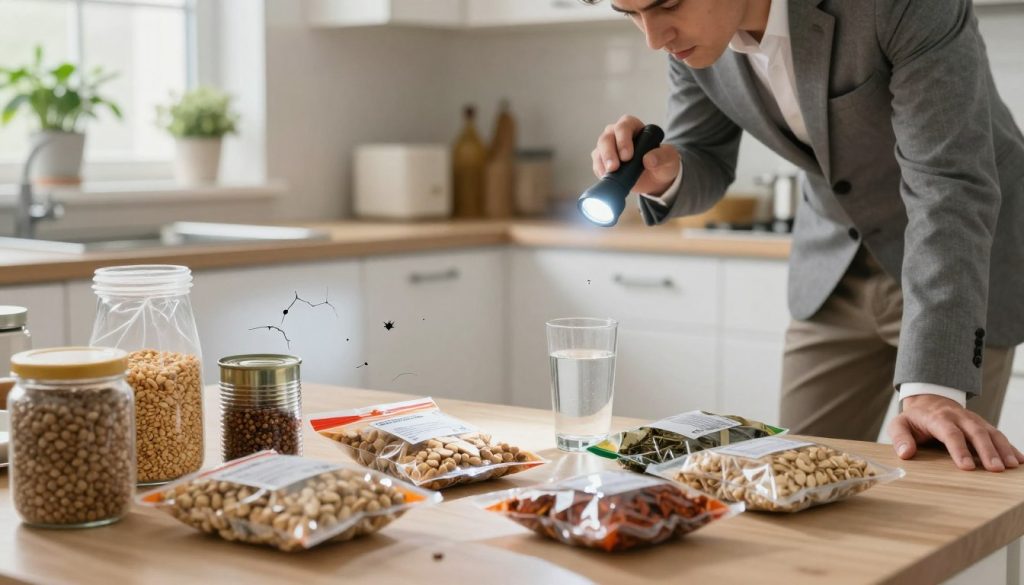
- Inspect kitchen cabinets, counters, sinks, appliances, floor drains, and bathroom areas. Look for food residue, water marks, droppings, and dark shelter.
- Check beneath the refrigerator and stove. German insects often hide there near food and water sources.
- Examine leaky pipes, faucets, appliance openings, windows, doors, and ground-level cracks around the house. These entry points may connect outdoor activity with indoor shelter.
- Remove cardboard boxes, paper bags, empty soda bottles, and clutter. Such items create dark areas and may conceal food.
- Place glue traps near suspected entry points and plumbing gaps. Record catches to learn whether activity begins inside or around home.
Trace each entry carefully and mark problem points. Check water lines again after cleaning, since small leaks can keep pests active. For broader sanitation tips, review Purdue inspection guidance. Keep food sealed and remove standing water during each visit.
Natural Roach Remedies That May Help
Homemade remedies can support a clean, dry home, but their results vary by species and infestation size. These options may reduce activity in limited areas, yet they rarely reach hidden egg cases or deep harborages.
Baking Soda and Sugar Mixtures
Combine equal parts baking soda and sugar in a shallow container. Place the mixture near kitchen cabinets, under sinks, and other active areas. Sugar may attract roaches, while baking soda may kill roac after feeding. Evidence remains limited, so this method should not replace proven pest products.
Diatomaceous Earth in Dry Harborages
Food-grade diatomaceous earth can damage the exoskeleton of cockroaches and cause dehydration. Apply a thin layer in dry cracks and sheltered areas. Moisture reduces its effect, so avoid damp spots near pipes or sinks. Keep diatomaceous earth away from breathing zones.
Essential Oils, Bay Leaves, and Water Sprays
Peppermint, eucalyptus, and tea tree essential oils may repel cockroaches for a short time. Dilute the oil in a water spray and apply around hiding areas. Crushed bay leaves may also discourage activity through scent, but bay leaves do not kill insects. White vinegar cleans food residue but does not kill roaches. Boric may work differently, yet safe use requires careful label guidance.
What Boric Acid and Diatomaceous Earth Really Do
Boric and diatomaceous earth work in different ways. Each has limits when moisture, clutter, or hidden nesting sites are present. Used carefully, these materials can support safer pest management in a home.
Safe Placement Around Children and Pets
Acid can kill cockroaches after ingestion or contact. A small amount mixed with peanut butter may attract roaches, but every bait must follow the product label. Keep all bait away from children, pets, food, and water.
- Place acid only in sealed stations or hidden areas that household animals cannot reach.
- Use light dusting, since loose acid can spread, stain surfaces, and create cleanup concerns.
- Diatomaceous earth damages the insect’s outer shell and causes dehydration.
- Apply diatomaceous earth in dry spaces, such as wall gaps and sheltered areas. Moisture reduces its effect.
- Avoid spreading dust throughout the home. Keep treated spaces secure around home entry points.
Never use more acid than the label allows. Responsible placement improves control while limiting exposure. Inspect treated areas often and remove any material that becomes wet or accessible.
Roach Control Myths That Waste Time
White vinegar does not kill roaches. It can remove food residue and odors, but it cannot replace baiting, exclusion, or a full treatment plan. Clean surfaces still matter because pests follow food and moisture.
Strong scents also offer limited value. Peppermint oil, eucalyptus, and bay leaves may repel a few cockroaches for a short time. Their effect fades, and repeated use will not remove eggs, hiding places, or a wider infestation. No natural remedy promises permanent eradication after one application.
- Roach bombs release a fine mist, yet eating areas may need safer, more targeted products.
- Fog rarely reaches concealed breeding spaces behind walls, appliances, or cabinets.
- Boric materials are not harmless. Poor placement may expose children or pets.
- DIY pest methods waste time when food, water, cracks, and breeding sites remain.
Getting rid of roaches requires more than a strong scent. A recurring problem often signals hidden harborages or new entry points. Focus on sanitation, sealing, monitoring, and responsible control measures. When infestations continue, a licensed technician can assess the source and recommend a safer plan.
A Practical DIY Roach Control Treatment Plan
A clear treatment sequence helps limit roaches and shows when home pest control needs stronger support. Work from clean surfaces to targeted products, then close entry points around the building.
Sanitize Kitchens, Cabinets, Bathrooms, and Food Areas
Begin in the kitchen. Clean kitchen cabinets, counters, sinks, appliances, bathrooms, and nearby food areas. Remove grease, crumbs, pet food, trash, and standing water. Dry wet surfaces and repair leaks. This step reduces the resources that attract cockroaches.
Use Traps, Baits, and Targeted Products
Set traps beside baseboards, sinks, refrigerators, stoves, plumbing gaps, and dark areas. For German roaches, labeled gel bait, Advion WDG, and Tekko Pro IGR offer targeted options. Advion WDG uses indoxacarb, while Tekko Pro combines pyriproxyfen and novaluron. Shockwave Aerosol may provide quick knockdown. Large American roaches may need Devito, Spectre PS Aerosol, and InTice Perimeter Bait.
Seal Cracks, Plumbing Gaps, and Exterior Entry Points
For American roaches, treat the exterior perimeter and seal gaps near doors, windows, pipes, and walls. Recheck cabinets and traps each week. Getting rid of roaches requires sanitation, monitoring, and follow-up pest control—not one spray.
When DIY Pest Control Is Not Enough
Some warning signs show a home needs a stronger response. Daylight sightings, activity in several rooms, or repeated trap catches point to a growing infestation. Concern rises when roaches remain after cleaning, baiting, and sealing.
Signs a Problem Is Expanding
Call a licensed pest professional when roaches appear often, spread beyond the kitchen, or return after treatment. Droppings, egg cases, and a musty odor may signal hidden harborages. That problem can expose residents to cockroaches and allergens from feces, saliva, and shed body parts. These particles may worsen asthma and allergy symptoms. Protect the home before repeated infestations spread further.
Why German Roaches Need Reproductive Control
German roaches rank among the most invasive small cockroaches. They live and breed indoors near kitchens, bathrooms, appliances, and plumbing. Surface sprays may kill visible adults while young insects remain hidden, allowing an infestation to rebuild.
A full plan targets maturity and reproduction. Tekko Pro combines pyriproxyfen and novaluron to interfere with chitin development and the life cycle. Follow every label, or seek expert guidance. Escalation matters when infestations persist or return. Getting rid of roaches may require inspection, baiting, sanitation, and follow-up.
CX Pest Solutions as a Local Roach Control Authority
Reliable local guidance starts with a clear view of the property, pest species, and risk factors. CX Pest Solutions is a local pest-management brand serving homeowners and businesses with practical help for roaches and other household pests. Its approach centers on inspection, prevention, targeted treatment, and follow-up service.
Rather than making broad natural-remedy claims, the team can assess conditions inside a home or commercial building. Treatment plans may include sanitation advice, exclusion work, monitoring, and carefully selected products.
Brand Entity and Core Pest Management Specialties
Specialists can adjust recommendations for indoor German cockroaches and outdoor American species. Available treatment categories may include baits, traps, gels, dusts, granulars, aerosols, insecticides, and insect growth regulators. This mix supports a focused plan for each cockroach problem.
Service Area and Local Treatment Expertise
Service availability depends on the communities listed by CX Pest Solutions. Since no verified city list appears in the supplied brief, confirm the exact service area on the live website before publication. Check local contact details, residential options, commercial programs, and follow-up terms for the house or property in question.
Direct Answers to Local Cockroach Control Questions
Local conditions often shape the best response. CX Pest Solutions offers these practical answers for homeowners who want safer, lasting results.
Can DIY Treatment Get Rid of Roaches?
CX Pest Solutions advises that DIY pest methods may help with limited activity. Established infestations often need inspection, baits, IGRs, exclusion, and follow-up visits. See this guide to getting rid of roaches for added background.
What Natural Steps Keep Roaches Away?
CX Pest Solutions recommends sealed food, clean cabinets, dry sinks, and prompt leak repairs. Peppermint, eucalyptus, or tea tree oil may repel roaches briefly, but sanitation and targeted treatment offer stronger protection.
How Can I Spot Entry Points?
Place glue traps near doors, windows, plumbing penetrations, kitchen cabinets, and dark areas. CX Pest Solutions uses trap activity to show whether roaches enter from outside or travel through indoor gaps.
When Should I Call CX Pest Solutions?
Request service when roaches remain after cleaning, trapping, sealing, and correctly labeled product use. Daytime sightings, droppings, egg cases, or activity across several areas can signal a larger infestation.
How Can I Prevent a Return?
Remove food sources, store supplies securely, correct water leaks, empty trash often, and maintain sealed points around home. CX Pest Solutions also recommends routine checks after treatment.
CX Pest Solutions Service Matrix and Seasonal Prevention Guide
Service timing should match the pest species, property type, and inspection results. CX Pest Solutions can adjust roach treatments for indoor breeding or outdoor entry pressure. Product labels and site conditions guide each follow-up visit.
Key Services for Homes and Businesses
| Service | Best Fit | Typical Timing |
|---|---|---|
| German roach baiting and IGR | Homes and businesses with indoor breeding | Follow-up based on inspection findings and label directions |
| American roach exclusion and residual treatment | Homes, restaurants, offices, garages, and outdoor harborage sites | Initial service with seasonal review |
| Granular baiting and monitoring | Properties near drains, mulch, or foundation gaps | Reapply only as product labels allow |
Seasonal Prevention for Local Properties
- Spring: Inspect cracks, mulch, drains, doors, windows, and plumbing before movement rises.
- Summer: Keep the kitchen dry, remove food quickly, check traps, and maintain exterior barriers.
- Fall: Seal weather gaps and inspect basements, garages, cabinets, and storage areas before colder weather.
These steps support lasting pest control and help limit cockroaches. They also strengthen DIY pest control efforts between professional visits.
Recommended Treatment Focus
| Pest Pattern | Primary Method | Target Result |
|---|---|---|
| Indoor German roaches | Baits and growth regulators | Reduce breeding and activity |
| Outdoor American cockroaches | Exclusion, residual products, and granular bait | Limit entry into the house |
Conclusion
Long-term results come from a layered plan, not one homemade remedy. Baking soda, sugar, bay leaves, oils, and diatomaceous earth may offer brief relief, but they rarely replace complete pest control.
First, identify German, American, or brown-banded cockroaches. That answer guides indoor baiting and reproductive treatment or exterior exclusion. Sanitation removes food and water, while sealed cracks and plumbing gaps block new entry.
- Use glue traps to track activity and locate traffic routes.
- Choose labeled baits, insect growth regulators, and dusts for targeted treatment.
- Review this boric acid bait guide before use.
When getting rid of roaches remains difficult, contact CX Pest Solutions. Request a verified local inspection and a treatment recommendation for a safer, lasting home solution.