
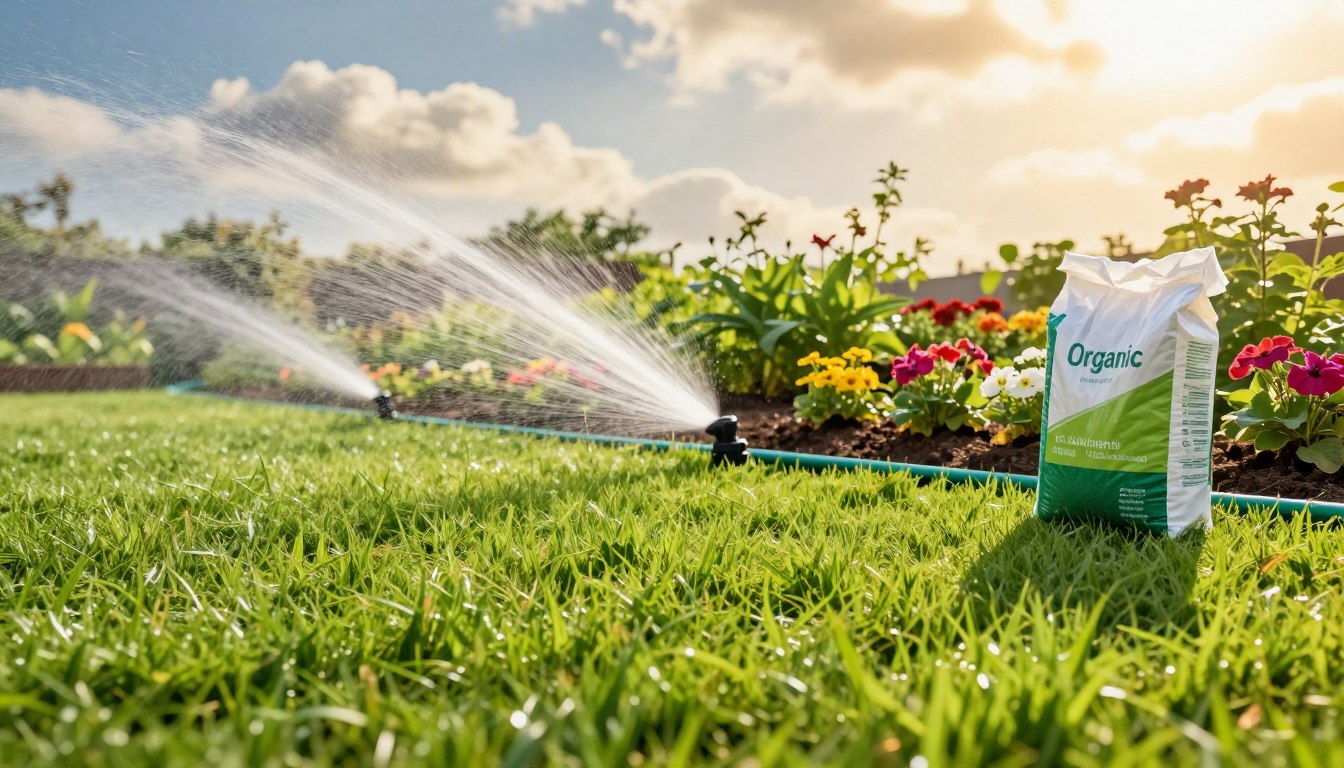
Have you ever wondered why some yards look lush and vibrant while others struggle to thrive? The secret often lies in a balanced approach to lawn care, combining proper irrigation and fertilization to keep your landscape healthy year-round. With the right plan, you can transform your outdoor space from ordinary to extraordinary.
In the quest for a healthy landscape, understanding the unique needs of your soil and grass types is crucial. Proper irrigation ensures that your plants receive the right amount of water, while fertilization provides essential nutrients for growth. Together, these practices form the backbone of effective lawn maintenance.
As we explore this guide, you’ll discover how mastering these fundamental techniques can lead to long-term success. Whether you’re a homeowner or a landscape manager, investing time in these principles today will set the stage for a thriving garden tomorrow.
Key Takeaways
- A lush yard is achieved through a deliberate strategy combining irrigation and fertilization.
- Mastering water and nutrient delivery transforms an average space into a vibrant landscape.
- Understanding the connection between water management and nutrient application is key.
- This guide draws on proven research to support effective turfgrass management.
- Investing time in foundational concepts today leads to long-term success.
The Critical Role of Irrigation and Fertilization in Effective Lawn Care
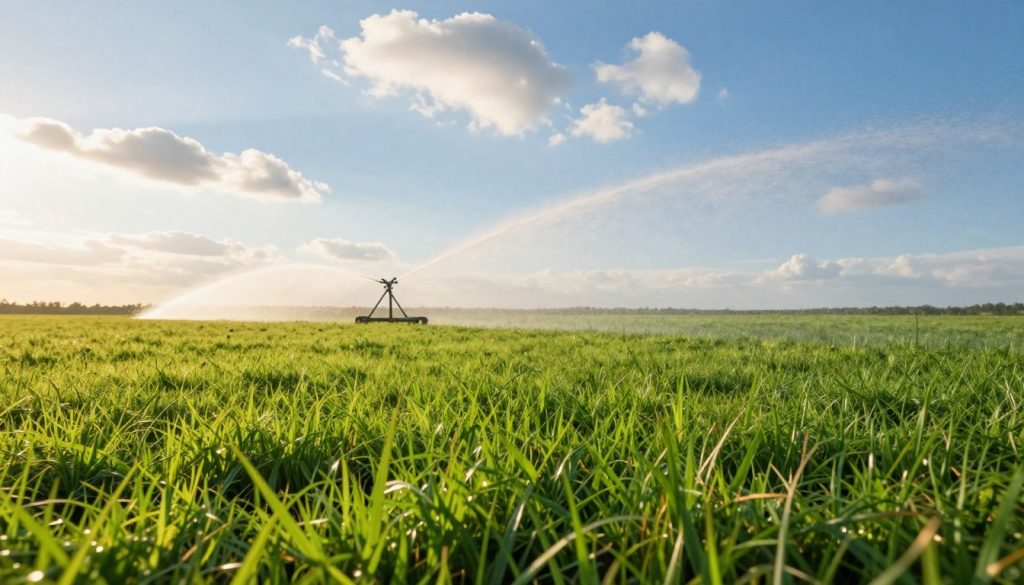
To achieve a vibrant landscape, understanding the importance of irrigation and fertilization is key. These two elements are the foundation of a healthy outdoor space. Water and nutrients work together to support the growth and development of grass, ensuring a lush and inviting environment.
Water acts as the primary transport mechanism for nutrients within turfgrass plants. This makes irrigation essential for delivering these vital elements from the soil into the root cells. Without adequate and consistent watering, even the highest-quality fertilizer cannot be effectively absorbed. This can lead to nutrient deficiencies and visible decline in your grass.
The health of turfgrass depends on a delicate balance. Water dissolves soil nutrients and facilitates their movement through root membranes into the vascular system of the grass plant. This connection directly influences lawn appearance, affecting color intensity, blade thickness, and overall turf density.
Properly watered and fertilized grass develops deeper root systems. These roots can access moisture and nutrients from a larger soil volume, enhancing drought tolerance and stress resistance. When irrigation is timed correctly, it prevents the leaching of applied fertilizer beyond the root zone. This ensures that your investment in products yields maximum results.
The principles of effective lawn maintenance dictate that water and nutrients work in tandem. Overwatering can dilute soil nutrients, while underwatering can concentrate salts that may damage grass roots. Homeowners who grasp this critical relationship are better equipped to diagnose lawn problems and adjust their routines before minor issues escalate.
A lawn that receives coordinated irrigation and fertilization displays uniform growth patterns. This reduces susceptibility to disease and results in a vibrant green appearance that signals optimal health. Investing time in mastering these fundamentals transforms lawn maintenance from a series of guesswork tasks into a science-based strategy.
Understanding Your Turfgrass: Types and Their Unique Water and Nutrient Needs
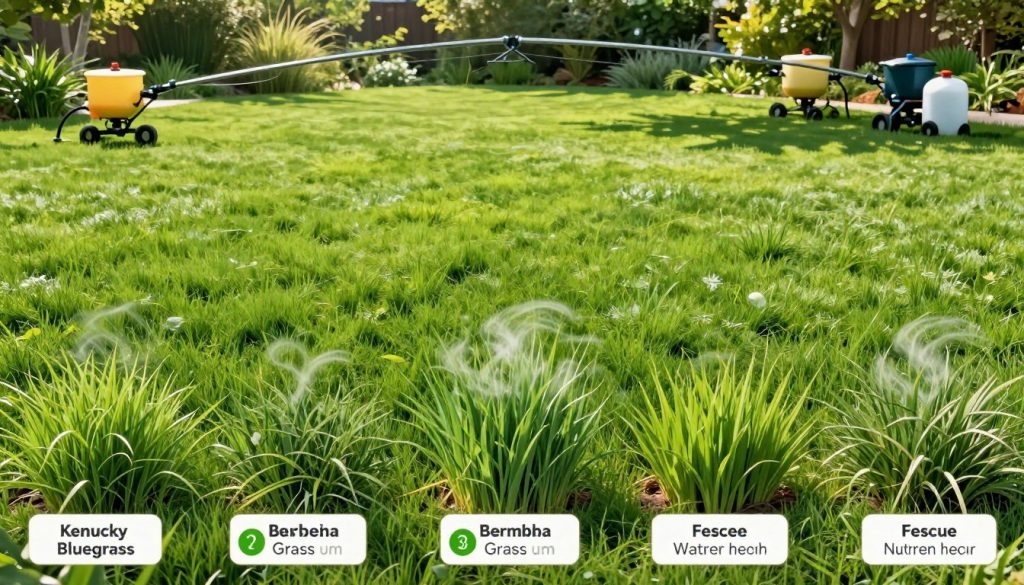
Recognizing the diverse needs of turfgrass types is essential for effective management. Different grasses require specific care regarding water and nutrients. Understanding these differences can help you create a thriving outdoor space.
Grasses are generally categorized into two main types: cool-season and warm-season. Each type has unique adaptations that influence their growth patterns and care requirements.
Cool-Season vs Warm-Season Grasses: Adaptations and Care
Cool-season grasses, such as Kentucky bluegrass, perennial ryegrass, and tall fescue, flourish in areas with moderate summers and cold winters. They grow best in spring and fall when temperatures range from 60 to 75 degrees Fahrenheit.
In contrast, warm-season grasses like bermudagrass, zoysiagrass, and buffalograss thrive in hotter southern climates. These grasses grow most vigorously when temperatures exceed 80 degrees Fahrenheit and typically enter dormancy during cooler months.
Understanding whether your grass is cool-season or warm-season is crucial. Each type has distinct water requirements, nutrient uptake patterns, and seasonal care needs.
Choosing the Right Grass Varieties for Your Climate and Soil
When selecting grass varieties, consider your local climate and soil conditions. Kentucky bluegrass requires consistent moisture and higher nitrogen inputs for its vibrant green color. Meanwhile, tall fescue varieties are more drought-tolerant and need less fertilizer.
Bermudagrass spreads aggressively through stolons and rhizomes, necessitating different irrigation strategies and more frequent mowing compared to bunch-type cool-season grasses.
To make informed choices, consult local extension resources. Look for named cultivars tested for disease resistance and adaptability to your region.
Quality seed mixtures from reputable sources ensure genetic diversity within your grass. This diversity reduces the risk of total turf loss from pests, diseases, or extreme weather events.
The soil type on your property—whether sandy, clay-based, or loamy—directly affects which grass varieties will establish successfully. Transition zone lawns can be particularly challenging, as neither cool-season nor warm-season grasses are perfectly adapted.
Matching grass varieties to your specific climate zone and intended use lays the groundwork for a resilient turf. This turf will respond predictably to your irrigation and fertilization efforts.
Preparing Your Soil for Optimal Irrigation and Fertilization Outcomes
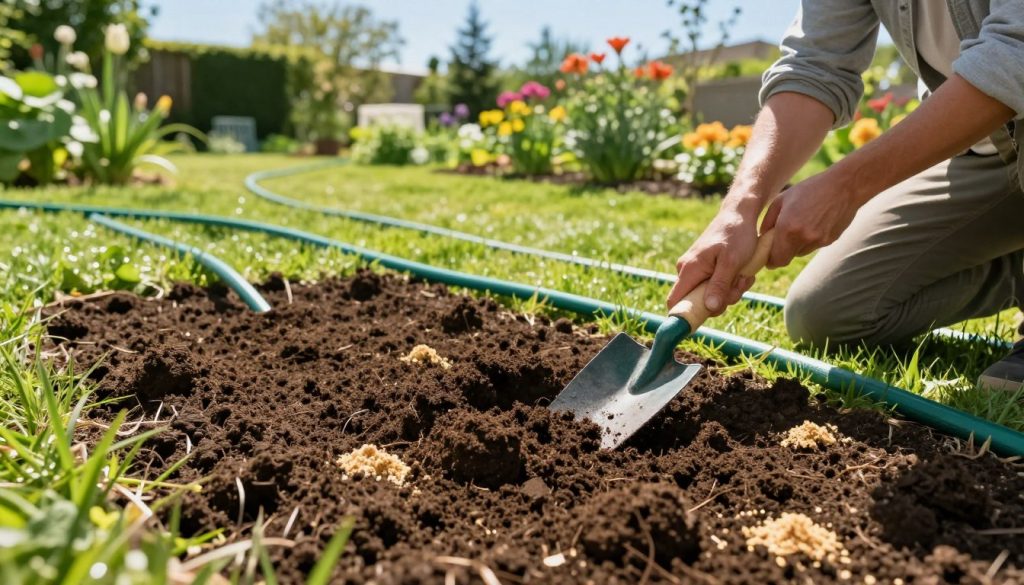
Preparing your soil is essential for achieving the best results in irrigation and fertilization. A successful establishment of your outdoor space relies on careful planning and soil preparation. This includes choosing the right seed or sod and understanding the unique requirements of your grass type.
Soil testing plays a vital role in this process. It assesses nutrient levels and drainage characteristics, providing a clear picture of what your soil needs. Homeowners often recognize the importance of timely nutrient applications to promote vigorous growth in their gardens.
Soil Testing: Assessing Nutrient Levels and Drainage
Soil testing is the diagnostic foundation of any successful program. It reveals pH levels, nutrient deficiencies, organic matter content, and drainage characteristics that directly impact irrigation and fertilization outcomes.
A comprehensive soil test measures macronutrients like nitrogen, phosphorus, and potassium. It also assesses micronutrients such as iron and magnesium. This information gives you a precise roadmap for selecting and applying fertilizer.
Understanding your soil’s cation exchange capacity helps predict how well it retains applied nutrients. This prevents wasteful fertilizer loss through leaching in sandy soils or runoff on compacted surfaces.
Soil pH significantly influences nutrient availability. Most grasses perform best in a slightly acidic to neutral range between 6.0 and 7.0, where essential elements remain soluble and accessible to roots.
Soil Amendment Techniques to Enhance Fertilizer Uptake
Amending heavy clay soils with organic matter like compost improves drainage and aeration. This allows irrigation water to penetrate deeply rather than pooling on the surface or running off into adjacent areas.
Sandy soils benefit from incorporating organic amendments that increase water-holding capacity. This slows the percolation of dissolved fertilizer nutrients beyond the root zone.
Core aeration is another effective technique. It relieves compaction, enhances oxygen exchange, and creates channels for water and fertilizer to reach the root system more efficiently.
Applying a thin layer of quality compost or mulch as a topdressing after aeration introduces beneficial microorganisms. These organisms accelerate the breakdown of organic matter and improve long-term soil structure.
In regions with high soil salinity, leaching irrigations and adding gypsum can help displace sodium ions. This restores favorable growing conditions for sensitive grass varieties.
Investing time in thorough soil preparation before establishing or renovating your outdoor space pays dividends. It leads to reduced water consumption, lower fertilizer requirements, and a healthier, more resilient turf stand.
Fundamentals of Efficient Irrigation: Techniques and Best Practices
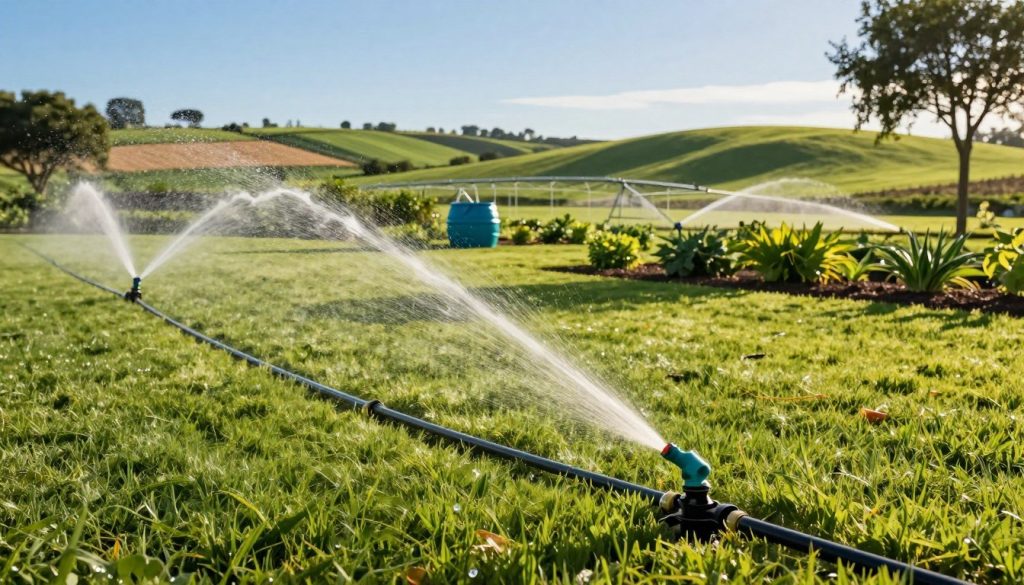
Understanding efficient irrigation techniques is vital for maintaining a vibrant outdoor space. Proper watering practices not only conserve water but also enhance the health of your grass. By implementing the right strategies, you can ensure that your landscape thrives while minimizing waste.
One key aspect of effective irrigation is the timing of watering. Watering early in the morning, between 4 a.m. and 9 a.m., maximizes absorption. This practice reduces evaporation losses and allows grass blades to dry before evening, which helps prevent fungal diseases.
Additionally, deep and infrequent watering encourages turfgrass roots to grow downward in search of moisture. This results in a more drought-resistant yard compared to shallow, daily sprinkling that promotes weak surface rooting. Most established lawns require approximately 1 to 1.5 inches of water per week during the growing season, delivered in one or two sessions based on soil type and weather conditions.
Scheduling Watering for Maximum Absorption and Minimal Waste
Scheduling your watering effectively is essential for maintaining a healthy landscape. The following practices can help you optimize your irrigation:
- Water early in the morning to reduce evaporation and fungal risks.
- Implement deep, infrequent watering to promote strong root growth.
- Use catch cans to measure irrigation output and ensure uniform coverage.
Types of Irrigation Systems and Their Advantages
Choosing the right irrigation system can significantly impact your watering efficiency. Here are some popular options:
| Irrigation System | Advantages |
|---|---|
| In-ground Sprinkler Systems | Convenient and programmable, ideal for large areas. |
| Drip Irrigation | Minimizes overspray, delivering water directly to roots. |
| Soaker Hoses | Efficient for garden beds, reduces water waste. |
| Smart Irrigation Controllers | Adjusts schedules based on weather data, preventing waste. |
Regular maintenance of your irrigation system is crucial. Check for clogged nozzles, misaligned heads, and leaks to prevent dry spots and water waste. Following these principles of water-wise landscaping can lead to a more sustainable and beautiful outdoor space.
In conclusion, selecting the right irrigation system and maintaining a disciplined watering schedule are among the most impactful decisions you can make for the long-term health and beauty of your yard. For more information on efficient irrigation practices, visit this resource.
Selecting and Applying Fertilizers: Nutrient Management for a Healthy Lawn
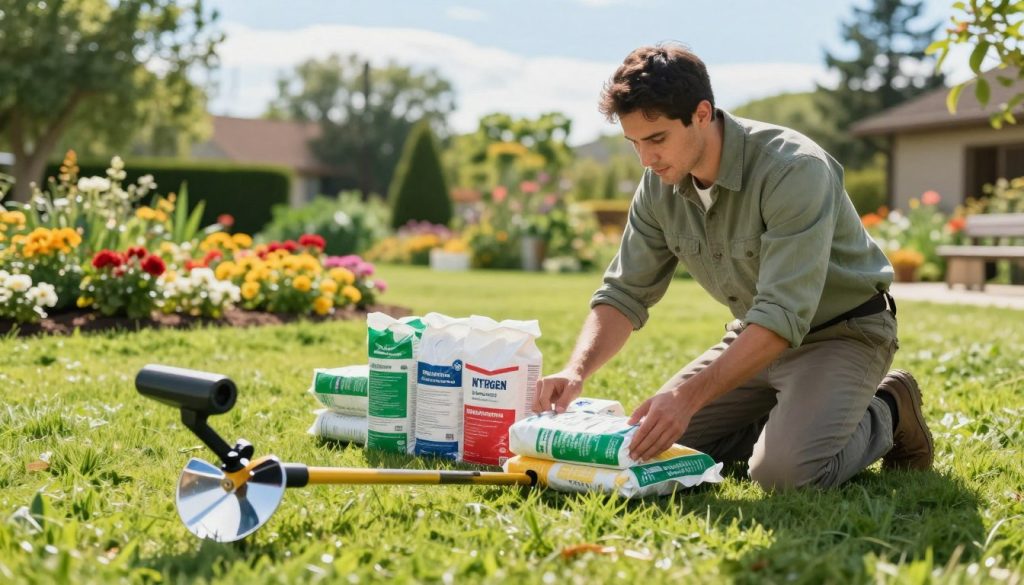
The selection and application of fertilizers play a vital role in achieving a healthy landscape. Homeowners recognize the need for timely nutrient applications to promote vigorous plant growth in gardens. These nutrients may be supplied by either organic or inorganic fertilizers, or a combination of materials.
Many nursery and garden supply stores stock a variety of fertilizer products. Lawn fertilizers for cool-season turf provide essential nitrogen, phosphorus, and potassium. Selecting and using organic fertilizers involves understanding nutrient release rates and soil biology.
Organic vs Inorganic Fertilizers: Benefits and Considerations
Organic fertilizers are derived from natural sources such as composted manure, bone meal, blood meal, and feather meal. They release nutrients slowly as soil microorganisms break them down, providing steady, long-term feeding for your grass.
In contrast, inorganic or synthetic fertilizers deliver nutrients in immediately available forms. This allows for rapid green-up and precise control over application rates. However, they require careful handling to avoid over-application and potential environmental runoff.
Understanding Fertilizer Timing and Application Rates
The three numbers on every fertilizer product label represent the N-P-K ratio. This indicates nitrogen for leaf growth and color, phosphorus for root development, and potassium for stress tolerance and disease resistance.
Cool-season grasses benefit from the majority of their annual nitrogen application in the fall when root growth is most active. Warm-season grasses require peak fertilization during late spring and summer months.
Slow-release nitrogen formulations extend feeding over 8 to 12 weeks. This reduces the number of applications needed and minimizes the risk of fertilizer burn that can damage turf during hot, dry periods.
Soil test results should guide your fertilizer selection. This helps you choose products with the appropriate nutrient ratios to correct specific deficiencies identified in your soil profile.
Applying fertilizer at the recommended rate of 1 pound of actual nitrogen per 1,000 square feet per application prevents excessive top growth. This top growth demands more frequent mowing and increases susceptibility to pests.
Calibrating your spreader correctly and applying fertilizer in two perpendicular passes ensures uniform coverage. This eliminates the striped appearance that results from missed or overlapped application areas.
Combining organic and inorganic fertilizer options in a hybrid nutrient management program allows you to enjoy the immediate results of synthetic products while building long-term soil health with organic matter inputs.
Proper fertilizer timing aligned with grass growth cycles and seasonal weather patterns maximizes nutrient uptake efficiency. This minimizes losses through volatilization, leaching, or runoff into waterways.
| Fertilizer Type | Benefits |
|---|---|
| Organic Fertilizers | Slow nutrient release, improves soil health, environmentally friendly. |
| Inorganic Fertilizers | Immediate nutrient availability, precise application control, rapid results. |
Integrating Irrigation and Fertilization Into Your Lawn Care Maintenance Routine
Creating a cohesive maintenance routine for your outdoor space is essential for achieving optimal health and appearance. By integrating irrigation and fertilization with other key practices, you can enhance the effectiveness of your overall approach. This synergy ensures that your grass receives the nutrients and moisture it needs while also supporting growth and resilience.
Coordination between various maintenance activities like mowing, aeration, and overseeding is crucial. Each of these practices complements the others, leading to a thriving landscape.
Coordination with Mowing, Aeration, and Overseeding
Mowing height plays a significant role in how effectively your grass utilizes water and nutrients. For cool-season grasses, maintaining a height of 2.5 to 3.5 inches promotes deeper root development. This height also shades the soil surface, reducing evaporation and preventing weed seed germination.
Core aeration should be strategically scheduled just before fertilization. This timing allows nutrients to penetrate directly into the root zone through newly created channels. Aeration also relieves soil compaction, enhancing water and nutrient absorption.
Overseeding thin or bare areas in early fall is another effective strategy. This timing allows new grass seedlings to establish before winter dormancy while taking advantage of warm soil temperatures and reduced competition from summer annual weeds.
Adjusting Care Based on Seasonal and Climate Factors
Adjusting your irrigation schedule according to the season is essential. For instance, reducing watering frequency during cool, rainy periods helps prevent waterlogged soil conditions. Conversely, increasing watering during summer heat waves is crucial to avoid drought stress.
Fall fertilization with a high-potassium formula is particularly beneficial. It strengthens cell walls and builds carbohydrate reserves, helping grass survive winter dormancy and emerge vigorously in spring.
Climate factors, such as humidity, wind, and temperature fluctuations, can significantly influence evapotranspiration rates. This requires careful monitoring and adjustments to your lawn care routine to prevent under-watering or over-watering throughout the year.
Weed control efforts are most effective when combined with proper irrigation and fertilization. A thick, healthy lawn naturally crowds out invasive species, reducing the need for chemical herbicide applications.
To keep track of all these tasks, creating a written seasonal checklist can be invaluable. This checklist should outline irrigation adjustments, fertilizer applications, mowing schedules, and aeration timing. It ensures that no critical maintenance task is overlooked during busy times of the year.
| Maintenance Activity | Best Timing | Benefits |
|---|---|---|
| Mowing | Weekly during growing season | Promotes healthy growth and reduces weed competition. |
| Aeration | Before fertilization in spring and fall | Improves nutrient and water penetration. |
| Overseeding | Early fall | Establishes new grass before winter dormancy. |
| Irrigation | Seasonally adjusted | Prevents drought stress and waterlogging. |
| Fertilization | Fall with high-potassium formula | Strengthens grass for winter survival. |
By following these integrated practices, you can create a maintenance routine that not only enhances the beauty of your grass but also promotes long-term health and resilience. For more personalized advice, consider consulting professional lawn care services provider.
Addressing Common Challenges: Weed Control, Pests, and Environmental Stress
Maintaining a healthy outdoor space can be challenging. Various factors like weeds, pests, and environmental stress can impact the beauty and resilience of your landscape. Understanding how to manage these challenges is crucial for achieving a thriving garden.
Proper fertilization and watering play significant roles in weed prevention. A dense, vigorously growing grass can effectively shade the soil surface, making it difficult for weeds to germinate. This natural defense is more cost-effective than attempting to control weeds after they establish.
Common weeds such as crabgrass, dandelions, and clover often invade thin or stressed turf areas. Therefore, consistent irrigation and balanced nutrient applications are essential. They form your first line of defense against these unwelcome invaders.
How Proper Fertilization and Watering Help Prevent Weeds
Weed control begins with proper turf establishment and maintenance. A well-nourished grass creates a competitive environment that prevents weed seeds from receiving the light they need to germinate. This is why maintaining a healthy lawn is your best strategy for long-term weed control.
During drought conditions, weed pressure often increases as desirable turf weakens. Thinning or patchy areas can provide openings for weeds to establish. To combat this, deep and infrequent watering promotes stronger root development, helping desirable plants outcompete weeds.
Maintaining mulch in landscape beds can also help. Organic mulches, like shredded bark, retain soil moisture and moderate temperatures, reducing weed seed germination. When conditions improve, overseeding thin areas can help restore your grass and prevent weed establishment.
Managing Turf Pests and Diseases through Integrated Care
Integrated Pest Management (IPM) is vital for controlling turf pests like white grubs, sod webworms, and chinch bugs. Monitoring these pests before their populations reach damaging levels is crucial. Healthy lawns with deep root systems can tolerate moderate pest feeding without showing visible damage.
Fungal diseases, such as dollar spot and brown patch, can develop when irrigation is applied improperly. For example, watering in the evening or using excessive nitrogen can create lush but vulnerable grass tissue. Managing thatch accumulation through core aeration can also help disrupt disease cycles.
By maintaining a proactive approach, you can reduce the need for reactive chemical treatments. This ensures your landscape remains healthy and vibrant.
Mitigating Heat Stress and Drought Effects with Smart Watering
Heat stress and drought can take a toll on your grass, especially in warmer months. Raising your mowing height and reducing foot traffic during these periods minimizes additional strain on your plants. This simple adjustment can help your grass cope with high temperatures.
Smart watering practices are essential during hot weather. Applying water deeply but less frequently encourages roots to grow downward into cooler soil layers. This strategy protects them from surface heat, ensuring they remain hydrated and healthy.
Remember, dormant lawns that turn brown during summer drought are not dead. Cool-season grasses naturally enter a protective dormancy state and will green up again when temperatures moderate and irrigation resumes in the fall.
Implementing these practices can significantly improve your landscape’s resilience against common challenges. For more personalized solutions, consider consulting professional services like CX Pest Solutions.
| Challenge | Solution |
|---|---|
| Weeds | Maintain dense grass through proper fertilization and watering. |
| Turf Pests | Monitor populations and apply Integrated Pest Management principles. |
| Fungal Diseases | Avoid evening irrigation and manage thatch accumulation. |
| Heat Stress | Raise mowing height and water deeply but less frequently. |
Mastering Lawn Care to Achieve Lush, Green Grass Year-Round
Creating a thriving outdoor space requires careful planning and a well-structured approach. A customized lawn maintenance calendar can be a game-changer for achieving lush, green grass throughout the year. This calendar will help you map out essential tasks, ensuring that your landscape remains healthy and beautiful.
Creating a Customized Lawn Care Calendar
A well-designed calendar organizes activities such as fertilization, irrigation adjustments, aeration, overseeding, and weed control. Each month should include tasks tailored to your specific grass type and climate zone.
- In early spring, focus on soil testing, pre-emergent weed control for crabgrass, and light fertilization as your grass wakes from winter dormancy.
- During late spring and summer, maintain consistent mowing at the proper height. Monitor irrigation output and watch for early signs of pests or diseases.
- Fall is critical for cool-season grasses. Plan for core aeration, overseeding thin areas, and applying a winterizing fertilizer to build root reserves for spring.
- Winter tasks include equipment maintenance, reviewing the previous year’s results, and planning any landscape renovations or changes in grass types for the upcoming season.
Best Practices for Long-Term Lawn Health and Aesthetic Appeal
Long-term health of your outdoor space relies on building soil organic matter year after year. Practices like mulch mowing return grass clippings to the turf, providing a slow-release nitrogen source.
Consistent mowing with sharp blades is crucial. This prevents ragged leaf (lawn care tips) that can lose moisture rapidly and create entry points for diseases. A well-maintained lawn not only looks good but also enhances the overall aesthetic of your landscape.
Professional services, such as those offered by CX Pest Solutions, can provide expertise in developing comprehensive lawn care programs. These programs address the unique challenges of your property and local growing conditions.
Documenting your activities in a garden journal helps refine your approach over time. Recording product applications and observed results creates a valuable reference for future success.
The satisfaction of mastering lawn care comes from witnessing the cumulative results of your efforts. A lush, green carpet of grass enhances your landscape, supports outdoor activities, and brings pride to your home.
Conclusion
Creating a beautiful and healthy outdoor area is the result of consistent attention and care. The transformation of your space from ordinary to extraordinary is achieved through proper irrigation and fertilization practices that work in harmony with nature.
Every area has the fundamental rights to adequate water, balanced nutrition, and attentive care tailored to its unique conditions. The principles outlined in this guide provide a framework for success that you can adapt as you observe how your turf responds.
For those seeking expert guidance, professional service providers like CX Pest Solutions offer specialized knowledge to help you achieve lush, healthy grass. Whether you manage your outdoor space independently or seek assistance, consistency is key.
While the number of factors influencing health may seem overwhelming, breaking the process into manageable steps makes it achievable. Your investment in proper maintenance pays dividends through increased property value and the simple pleasure of enjoying a vibrant landscape.
As you apply the knowledge gained from this guide, remember that a thriving outdoor area is a living ecosystem. Embrace the ongoing learning process and take pride in the lush, vibrant landscape you create.