

Have you ever wondered if your backyard is actually a hidden danger zone for your furry friends? As the weather warms up, many families head outside to enjoy the sunshine, but they often overlook the tiny pests lurking in the tall grass. Effective tick control is essential for creating a safe environment where your pets can roam freely without the threat of disease. By taking proactive steps now, you can transform your lawn into a secure sanctuary for everyone in your home.
Maintaining a clean landscape helps reduce the risk of exposure to these harmful parasites. If you find that your own efforts are not enough, professional services like CX Pest Solutions can provide the extra support needed to keep your property protected all season long.
Key Takeaways
- Identify why your yard might be attracting unwanted pests during the warmer months.
- Learn the importance of proactive maintenance to protect your family and pets.
- Discover how simple landscaping habits significantly lower the risk of infestation.
- Understand when it is time to call in local experts for specialized assistance.
- Create a safe outdoor space that serves as a sanctuary rather than a breeding ground.
Understanding the Importance of Tick Control

Maintaining a safe outdoor space starts with a solid grasp of why tick control is essential for your family. As the warmer months arrive, these tiny pests become more active in our lawns and gardens. Taking proactive steps to manage your property helps ensure that your summer remains enjoyable and worry-free.
What Are Ticks and Why Are They a Concern?
Ticks are small arachnids that survive by feeding on the blood of mammals, birds, and reptiles. They often wait on the tips of grasses or shrubs, ready to latch onto a passing host. This behavior makes them a significant concern for anyone spending time outdoors.
The primary danger lies in the potential for painful tick bites that can transmit various illnesses. When these pests attach to humans or pets, they may carry pathogens that lead to serious health complications. Effective management is a vital component of home maintenance to reduce these risks significantly.
Common Tick Species in the U.S.
Several species of ticks are prevalent across the United States, each with unique characteristics. The black-legged tick, often known as the deer tick, is widely recognized for its role in spreading Lyme disease. Being able to identify these pests is the first step in protecting your household.
Another common variety is the lone star tick, which is easily identified by the white spot on the female’s back. These ticks are aggressive biters and can cause allergic reactions in some individuals. By staying informed about these species, you can better prepare your yard and minimize the chance of encountering harmful tick bites throughout the season.
Signs of a Tick Infestation in Your Yard
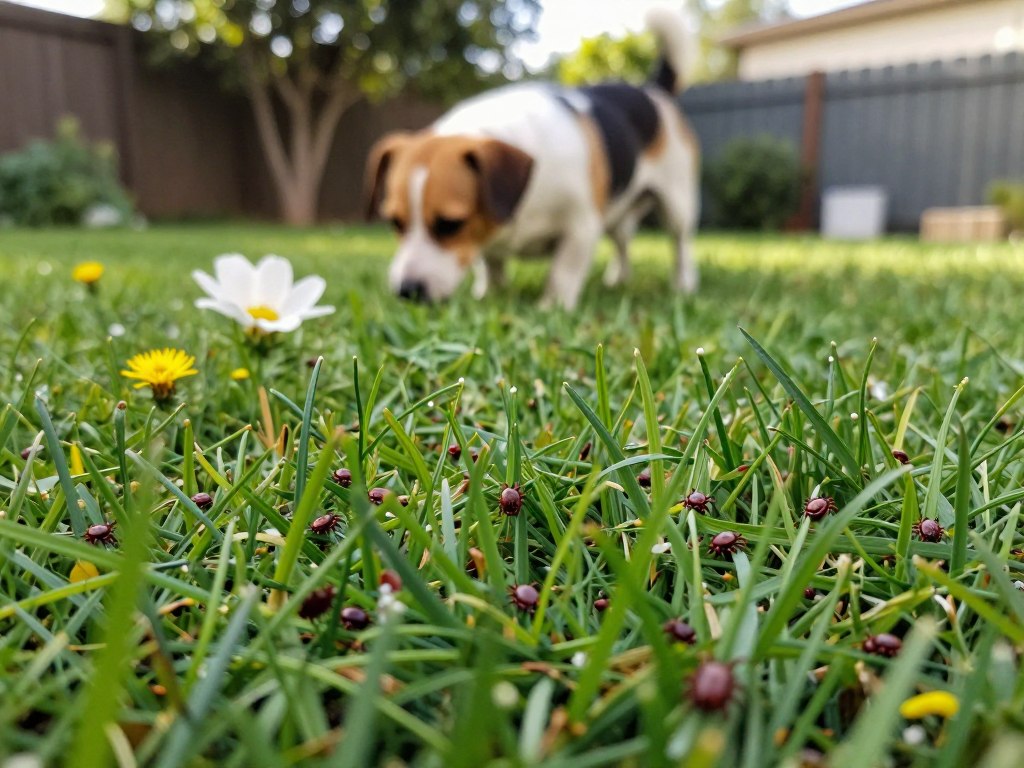
Identifying the subtle signs of a tick infestation can save you from a major headache this summer. When you catch these warning signs early, you can take proactive steps to protect your outdoor living space. Keeping your lawn healthy and clear is the first line of defense for your household.
How to Spot Ticks in Grass and Shrubs
Ticks often hide in tall grass, leaf litter, and dense shrubbery while waiting for a host to pass by. To check for a potential tick infestation, you can use a simple white cloth drag test. Simply drag a white flannel sheet across the edges of your lawn or near wooded areas.
If ticks are present, they will cling to the fabric as you move. Inspect the cloth carefully after each pass to see if any small, dark specks are visible. Focusing on shaded, humid areas will yield the most accurate results during your inspection.
Indicators of Animal Hosts
Wildlife often acts as a bridge, bringing pests directly into your backyard. If you notice frequent visits from deer, raccoons, or stray rodents, your risk of a tick infestation increases significantly. These animals carry ticks into your garden, where the pests then drop off into the grass.
Look for signs of animal activity, such as tracks, droppings, or damaged plants near your fence line. If you see these indicators, it is wise to secure your trash cans and clear away brush piles that might attract nesting rodents. Taking these steps helps maintain a safer environment for your pets and family.
Best Practices for Preventing Ticks in Your Yard

Effective tick management starts with how you design and maintain your lawn. By making your outdoor space less hospitable to these pests, you significantly reduce the risk of bites for your family and pets. Proactive tick prevention is always more successful than trying to handle an infestation after it has already taken hold.
Regular Lawn Maintenance Tips
The most important step in your routine is keeping your grass cut short. Ticks prefer tall, shaded grass where they can easily latch onto passing hosts. Aim to mow your lawn weekly during the peak summer months to eliminate these hiding spots.
You should also focus on clearing away leaf litter and brush piles. These areas provide the perfect humid environment for ticks to thrive. If you struggle to keep up with these tasks, experts at CX Pest Solutions can offer guidance on maintaining a clean perimeter.
Creating a Tick-Resistant Landscape
Strategic landscaping can act as a natural barrier against tick migration. Consider installing a three-foot-wide gravel or wood chip border between your lawn and any wooded areas. This dry, sunny zone discourages ticks from crossing into your active play areas.
Choosing the right plants also plays a role in your overall tick control strategy. Avoid dense ground cover that stays damp, as this creates a haven for pests. Instead, opt for open, sunny garden designs that allow the soil to dry out quickly, making the environment much less appealing to ticks.
Natural Solutions for Tick Control

Keeping your yard safe doesn’t always require harsh chemicals or synthetic sprays. Many homeowners are discovering that simple, plant-based ingredients can be highly effective for ongoing tick management. These gentle alternatives provide peace of mind while you enjoy your outdoor living space with family and pets.
Essential Oils that Repel Ticks
Certain plant extracts contain natural compounds that pests find unpleasant. Cedarwood oil is a popular choice because it disrupts the sensory receptors of ticks, making your lawn less attractive to them. Similarly, peppermint oil offers a refreshing scent for humans while acting as a potent natural tick repellent.
You can also consider using lemongrass or geranium oils to bolster your defenses. These oils are often used in combination to create a broader barrier against various pests. Always ensure that the oils you choose are high-quality and diluted properly before use in your garden.
Homemade Tick Repellent Sprays
Creating your own spray is a straightforward process that allows you to control exactly what goes into your environment. To make a basic mixture, combine a few drops of your chosen essential oils with water and a small amount of carrier oil or castile soap. This helps the ingredients adhere to surfaces like patio furniture or the perimeter of your lawn.
When applying your homemade tick repellent, focus on areas where vegetation meets walking paths. Lightly mist these zones during the early morning or late evening to avoid rapid evaporation. By staying consistent with these natural applications, you can maintain a safer yard throughout the warmer months.
Chemical Treatments for Effective Tick Control

When pests become overwhelming, chemical solutions offer a reliable way to regain control of your outdoor space. While natural approaches work for light activity, severe infestations often require a more aggressive strategy. Utilizing the right products can significantly reduce the population of these dangerous pests in your lawn.
Overview of Common Chemical Options
Professional-grade chemical products are designed to provide long-lasting protection against various species. Many homeowners choose synthetic pyrethroids, which are highly effective at creating a barrier that stops ticks from entering your living area. For complex infestations, services like CX Pest Solutions can offer targeted applications that reach deep into brush and tall grass where ticks hide.
Choosing the right tick treatment depends on the size of your property and the severity of the problem. Some options come in granular forms for lawn spreaders, while others are liquid concentrates meant for perimeter spraying. Always look for products labeled specifically for tick control to ensure you are using the most effective formula for your needs.
| Treatment Type | Application Method | Best Use Case |
|---|---|---|
| Granular Insecticide | Lawn Spreader | Broad coverage for large yards |
| Liquid Concentrate | Pump Sprayer | Targeting shrubs and borders |
| Professional Service | Expert Application | Severe or recurring infestations |
Safety Precautions When Using Chemicals
Safety must always be your top priority when applying any chemical tick repellent. You should carefully read the manufacturer’s label to understand the required dilution rates and application frequency. Proper protective gear, such as gloves and long sleeves, is essential during the mixing and spraying process.
It is vital to keep pets and children away from treated areas until the product has fully dried. Most labels provide specific timeframes for re-entry, which usually range from a few hours to a full day. By following these guidelines, you can achieve effective tick treatment results while keeping your household safe and healthy throughout the summer season.
The Role of Pets in Tick Prevention
Because pets spend so much time outdoors, they are frequently the first to encounter ticks. These small pests often hitch a ride on your dog or cat, eventually making their way into your home. By focusing on your animals, you can improve your overall tick prevention strategy significantly.
How to Check Your Pets for Ticks
Performing a thorough inspection after every outdoor excursion is the best way to catch pests early. Use your fingers to feel for small bumps or lumps under your pet’s fur. Pay close attention to hidden areas where ticks love to hide.
- Check between the toes and paw pads.
- Inspect the inside and around the base of the ears.
- Look closely under the collar and around the tail area.
- Examine the armpits and groin regions carefully.
If you find a parasite, proper tick removal is essential to keep your pet safe. Use fine-tipped tweezers to grasp the tick as close to the skin as possible. Pull upward with steady, even pressure to ensure the entire body is removed.
Pet Vaccinations and Tick-Borne Diseases
Beyond physical checks, maintaining a regular schedule of veterinary-recommended vaccinations is crucial. These shots help protect your companions from dangerous tick-borne diseases that can cause long-term health issues. Always consult with your veterinarian to determine the best protection plan for your specific pet.
Staying proactive with medical care ensures your pets remain healthy throughout the summer months. If you notice any unusual lethargy or loss of appetite, contact your vet immediately. For additional guidance on keeping your yard safe, you can always reach out to experts like CX Pest Solutions for professional advice.
Timing Your Tick Control Efforts
Mastering the timing of your yard maintenance is the secret to effective tick prevention. By understanding the seasonal nature of these pests, you can create a robust defense strategy that keeps your outdoor space safe all year long. Proactive planning ensures that your efforts are focused when they matter most.
When is Tick Season in the U.S.?
Tick activity generally begins in early spring as temperatures rise above freezing. In many parts of the United States, the peak season runs from April through September. During these months, nymphs and adult ticks are most active, increasing the risk of exposure to tick-borne diseases.
Regional differences significantly impact when you should start your tick treatment. In warmer southern states, ticks may remain active throughout the entire year. Conversely, northern regions experience a distinct dormant period during the coldest winter months.
Planning Treatments Around Weather Patterns
Ticks thrive in environments with high humidity and moderate temperatures. A sudden spike in temperature or a rainy spell often triggers a surge in tick movement. Monitoring your local weather forecast allows you to apply treatments just before these conditions peak.
Consistent yard care is vital for long-term tick prevention. If you notice an unusually wet spring, consider scheduling an extra round of maintenance to keep populations low. Using professional-grade tick treatment during these high-risk windows provides the best protection for your family and pets.
| Season | Tick Activity Level | Recommended Action |
|---|---|---|
| Spring | High | Begin initial yard treatment |
| Summer | Peak | Maintain regular barrier sprays |
| Fall | Moderate | Clear leaf litter and debris |
| Winter | Low | Monitor for mild weather spikes |
By staying ahead of the weather, you minimize the threat of tick-borne diseases in your own backyard. Whether you manage the yard yourself or consult with experts, timing remains the most critical factor in your success.
Working with Professionals for Tick Control
When DIY methods fail to curb a growing population, professional intervention becomes necessary. While many homeowners manage minor issues on their own, a severe infestation often requires the specialized tools and expertise of trained technicians. Relying on experts ensures that even the most hidden tick populations are addressed effectively and safely.
When to Hire a Pest Control Service
You should consider reaching out to a professional service, such as the team at CX Pest Solutions, if you notice ticks despite your regular maintenance efforts. Persistent sightings on your pets or family members indicate that the local population has grown beyond what standard yard care can handle. A professional assessment is also vital if your property borders wooded areas or tall grass, which serve as natural breeding grounds.
Effective tick extermination often requires a multi-faceted approach that goes beyond simple sprays. Professionals can identify specific hotspots where ticks congregate, such as leaf litter or shaded garden beds. By targeting these areas with precision, they provide a more reliable path to long-term safety.
What to Expect from Professional Treatments
A professional visit typically begins with a thorough property inspection to map out high-risk zones. Once the assessment is complete, the team will apply a specialized tick treatment designed to eliminate pests at various life stages. This systematic approach ensures that the entire yard is covered, leaving no room for survivors to repopulate.
The following table outlines the key differences between managing your yard alone and hiring a professional service for your tick control needs.
| Feature | DIY Approach | Professional Service |
|---|---|---|
| Inspection Depth | Surface level | Comprehensive mapping |
| Product Strength | Consumer grade | Commercial grade |
| Success Rate | Variable | High for tick extermination |
| Safety Protocols | Self-monitored | Certified compliance |
After the initial application, experts often provide guidance on how to maintain your yard to prevent future outbreaks. Consistent professional care provides peace of mind, knowing that your outdoor space remains a safe environment for your family and pets throughout the summer months.
Tick Control and Local Regulations
Navigating the legal landscape of pest management is essential for every responsible homeowner. When you decide to address a tick infestation, you must ensure that your chosen methods align with regional requirements. Staying informed protects your property and keeps you in good standing with your local community.
Understanding Your State’s Guidelines
Every state in the U.S. maintains specific rules regarding the application of pesticides and professional pest services. You can typically find these guidelines through your state’s Department of Agriculture or Environmental Protection Agency website. These resources provide clarity on which substances are approved for residential use.
It is important to verify if your area requires a permit for certain types of tick extermination. Some regions have strict ordinances to protect local water supplies and native wildlife. By checking these rules early, you avoid potential fines and ensure your safety efforts are fully compliant.
Eco-Friendly Options According to Local Laws
Many homeowners prefer natural or low-impact methods to manage pests while staying within legal boundaries. Eco-friendly tick control often involves biological barriers or botanical sprays that are safer for the environment. If you are unsure about the best approach, consulting with experts like CX Pest Solutions can help you identify compliant, sustainable strategies.
The following table outlines how different regulatory factors influence your choice of management strategies for your yard.
| Regulatory Factor | Standard Approach | Eco-Friendly Alternative |
|---|---|---|
| Chemical Usage | Synthetic Pesticides | Botanical Oils |
| Application Method | Broad-Spectrum Spray | Targeted Barrier Treatment |
| Environmental Impact | High Monitoring Required | Low Impact on Wildlife |
| Compliance Level | Strict State Oversight | Generally Permitted |
Choosing the right path for tick extermination does not have to be difficult. By balancing effective results with local environmental laws, you create a safer space for your family and pets. Always prioritize methods that respect your local ecosystem while effectively reducing the presence of ticks.
Educating Your Family about Ticks
Building a strong defense against pests starts at home with your loved ones. Sharing vital information creates a safer environment for everyone to enjoy the outdoors during the warmer months.
Teaching Kids About Safety
Children often play in areas where pests hide. Show them how to identify tall grass and wooded edges to avoid potential tick bites. Teach them to perform a quick check of their clothing and skin after playing outside. Knowing the proper steps for tick removal gives kids confidence and keeps them safe while they explore nature.
Building Community Awareness
You can expand your impact by starting a neighborhood conversation about pest prevention. Share tips on landscape maintenance or host a meeting to discuss local risks. Working together helps everyone stay vigilant against tick bites throughout the season. If you need expert guidance, CX Pest Solutions offers resources to help your community stay informed. Collective action ensures that your entire neighborhood remains a secure place for families and pets.